تاریخ اشاعت: September 2, 2026 - 5:01 PM
UN Warns Millions Face Growing Glacial Flood Risks, Putting Homes and Infrastructure in Himalayan Region at Risk
اقوام متحدہ نے گلیشیائی سیلاب کے بڑھتے خطرے سے خبردار کردیا،بہمالیائی خطے میں لاکھوں افراد، گھروں اور انفرااسٹرکچر کو خطرات
▫️تیزی سے پگھلتے گلیشیئرز اور گلیشیائی جھیلوں کے اچانک پھٹنے سے دریائی آبادیوں، ہائیڈرو پاور منصوبوں اور جائیدادوں کو خطرہ بڑھ گیا
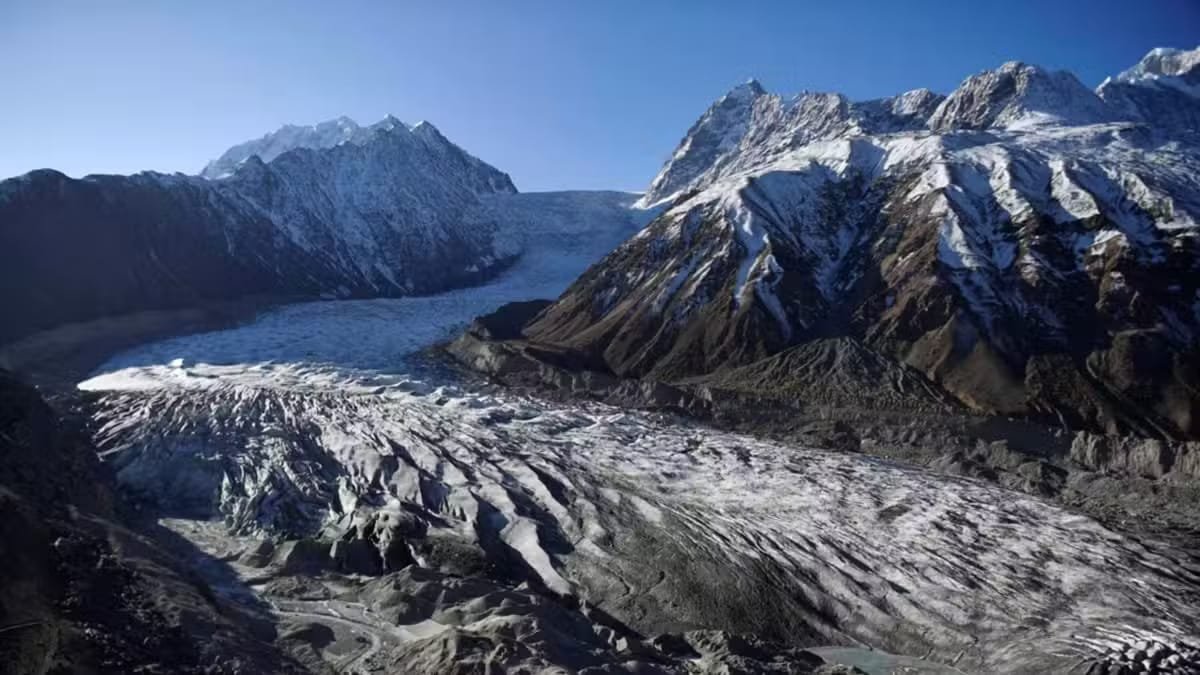
اسلام آباد | ری نیوز انٹرنیشنل ڈیسک نیوزاقوام متحدہ نے خبردار کیا ہے کہ موسمیاتی تبدیلی کے باعث گلیشیئرز تیزی سے پگھلنے سے ہمالیائی اور ہندوکش خطے کے بڑے دریاؤں کے ساتھ آباد لاکھوں افراد کو گلیشیائی سیلاب کے بڑھتے خطرات کا سامنا ہے۔
Islamabad | ReNews Pakistan
Millions of people living along major river systems in the Himalayan and Hindu Kush regions could face increasing risks from glacial floods as rising temperatures accelerate glacier melt, a senior United Nations official has warned.
Kanni Wignaraja, Assistant Secretary-General of the United Nations and Regional Director for Asia and the Pacific at the United Nations Development Programme (UNDP), said the growing threat could have serious consequences for communities, property and critical infrastructure located downstream of glaciers and glacial lakes.
She warned that the scale of the threat is expanding rapidly, with some riverbank areas potentially becoming unsafe or even uninhabitable. Hydroelectric power systems could also face significant risks as sudden surges of water travel through major river systems.
“Technology cannot move fast enough to prevent loss along these massive river systems that catch the overflow of the glacier lakes,” Wignaraja said in an interview with Reuters.
Researchers identified 47 potentially dangerous glacial lakes in Nepal, China and India in 2020. However, updated assessments indicate that the number of potentially hazardous lakes has increased considerably.
According to Wignaraja, data compiled by the UNDP and partner organizations in June shows that the number of people exposed to glacial flood risks across the region now runs into the millions.
The warning comes after a devastating flood in Nepal last week, triggered when part of a glacier near Langtang Lirung mountain collapsed and fell into a valley. The resulting landslide generated a powerful flood wave that moved downstream along the Trishuli River.
Glacial lake outburst floods pose a different but closely related threat. They occur when melting ice produces large volumes of water that accumulate behind natural barriers. As pressure increases, the barrier can collapse or overflow, releasing a sudden and potentially destructive flood downstream.
The increasing frequency of glacier melt is raising concerns for settlements, housing developments, agricultural land, roads, bridges and other infrastructure situated along vulnerable river corridors.
UN officials have warned that rising temperatures are accelerating glacier loss across the Himalayan region. Melting ice can destabilize surrounding rocks and increase pressure on natural barriers holding back glacial lakes, potentially increasing the likelihood of sudden floods.
The region's geological characteristics add another layer of risk. Wignaraja noted that the Himalayan mountains are relatively young and remain vulnerable to tectonic activity, which can contribute to glacier collapses or failures of natural barriers around glacial lakes.
Researchers have identified potentially dangerous glacial lakes across large areas of the Hindu Kush and Himalayan region, raising long-term concerns about communities and property located downstream.
The growing threat highlights the importance of incorporating climate and flood-risk assessments into housing development, land use planning and infrastructure projects in vulnerable mountain and riverine areas. Authorities may increasingly need to ensure that new residential schemes and major developments are located away from high risk flood corridors and that existing communities have effective early warning and evacuation systems.
اسلام آباد | ری نیوز انٹرنیشنل ڈیسک نیوز
اقوام متحدہ نے خبردار کیا ہے کہ موسمیاتی تبدیلی کے باعث گلیشیئرز تیزی سے پگھلنے سے ہمالیائی اور ہندوکش خطے کے بڑے دریاؤں کے ساتھ آباد لاکھوں افراد کو گلیشیائی سیلاب کے بڑھتے خطرات کا سامنا ہے۔
اقوام متحدہ کی اسسٹنٹ سیکریٹری جنرل اور ایشیا و بحرالکاہل کے لیے اقوام متحدہ کے ترقیاتی پروگرام (یو این ڈی پی) کی ریجنل ڈائریکٹر کنی وگناراجا نے کہا ہے کہ گلیشیائی سیلاب کا بڑھتا خطرہ دریاؤں کے کنارے آباد آبادیوں، گھروں، جائیدادوں اور اہم انفرااسٹرکچر کے لیے سنگین مسائل پیدا کر سکتا ہے۔
انہوں نے خبردار کیا کہ بعض دریائی علاقوں میں خطرات اس حد تک بڑھ سکتے ہیں کہ وہاں انسانی آبادی کا مستقل قیام بھی مشکل یا غیر محفوظ ہو جائے، جبکہ پن بجلی کے منصوبے بھی اچانک آنے والے شدید سیلابی ریلوں سے متاثر ہو سکتے ہیں۔
کنی وگناراجا نے رائٹرز کو انٹرویو دیتے ہوئے کہا کہ بڑے دریائی نظاموں میں گلیشیائی جھیلوں کے پانی کے اچانک اخراج سے ہونے والے نقصانات کو روکنے کے لیے ٹیکنالوجی اتنی تیزی سے آگے نہیں بڑھ رہی جتنی تیزی سے خطرات میں اضافہ ہو رہا ہے۔
محققین نے 2020 میں نیپال، چین اور بھارت میں 47 ایسی گلیشیائی جھیلوں کی نشاندہی کی تھی جنہیں ممکنہ طور پر خطرناک قرار دیا گیا تھا، تاہم تازہ جائزوں کے مطابق اب ایسے خطرناک مقامات کی تعداد میں نمایاں اضافہ ہو چکا ہے۔
کنی وگناراجا کے مطابق یو این ڈی پی اور اس کے شراکت دار اداروں کی جانب سے جون میں مرتب کیے گئے تازہ اعداد و شمار سے ظاہر ہوتا ہے کہ اس خطرے سے متاثر ہونے والے افراد کی تعداد لاکھوں تک پہنچ چکی ہے۔
یہ انتباہ نیپال میں گزشتہ ہفتے آنے والے تباہ کن سیلاب کے بعد سامنے آیا ہے، جہاں لینگ ٹانگ لیرونگ پہاڑ کے قریب گلیشیئر کا ایک حصہ ٹوٹ کر وادی میں جا گرا۔ اس واقعے کے نتیجے میں بڑے پیمانے پر لینڈ سلائیڈنگ ہوئی اور ایک طاقتور سیلابی ریلا دریائے تریشولی میں داخل ہو گیا۔
گلیشیائی جھیل کے اچانک پھٹنے سے آنے والے سیلاب کو گلیشیئر کے براہِ راست ٹوٹنے سے پیدا ہونے والے سیلاب سے مختلف سمجھا جاتا ہے۔ گلیشیائی جھیلوں میں برف پگھلنے سے پانی جمع ہوتا رہتا ہے اور قدرتی رکاوٹ پر دباؤ بڑھنے کے نتیجے میں یہ رکاوٹ ٹوٹ سکتی ہے یا پانی اس کے اوپر سے گزر سکتا ہے، جس سے اچانک شدید سیلابی ریلا نشیبی علاقوں کی جانب بڑھتا ہے۔
اقوام متحدہ کے حکام کے مطابق بڑھتے ہوئے درجہ حرارت کے باعث خطے بھر میں گلیشیئرز کے پگھلنے کی رفتار میں اضافہ ہو رہا ہے۔ برف کے پگھلنے سے پہاڑی چٹانیں غیر مستحکم ہو سکتی ہیں جبکہ گلیشیائی جھیلوں کو روکنے والی قدرتی رکاوٹوں پر پانی کا دباؤ بھی بڑھ سکتا ہے۔
خطے کی جغرافیائی اور ارضیاتی صورتحال بھی خطرات میں اضافے کا سبب بن سکتی ہے۔ کنی وگناراجا کے مطابق ہمالیائی پہاڑی سلسلہ نسبتاً نیا ہے اور یہاں ٹیکٹونک سرگرمیوں کا خطرہ موجود رہتا ہے، جو گلیشیئرز کے اچانک ٹوٹنے یا گلیشیائی جھیلوں کی قدرتی رکاوٹوں کے ناکام ہونے کا باعث بن سکتا ہے۔
ہندوکش اور ہمالیہ کے وسیع علاقوں میں ممکنہ طور پر خطرناک گلیشیائی جھیلوں کی نشاندہی کے بعد ان کے نیچے واقع آبادیوں، ہاؤسنگ علاقوں، زرعی زمین، سڑکوں، پلوں اور دیگر اہم انفرااسٹرکچر کے مستقبل کے تحفظ پر تشویش بڑھ گئی ہے۔
ماہرین کے مطابق بڑھتے گلیشیائی خطرات کے پیش نظر مستقبل میں ہاؤسنگ منصوبہ بندی، زمین کے استعمال اور بڑے انفرااسٹرکچر منصوبوں کی منظوری کے دوران موسمیاتی اور سیلابی خطرات کو بنیادی اہمیت دینا ضروری ہوگا۔ بالخصوص نئے رہائشی منصوبوں اور ہاؤسنگ سکیموں کو ممکنہ سیلابی راستوں سے دور رکھنے کے ساتھ ساتھ حساس آبادیوں کے لیے مؤثر پیشگی وارننگ اور بروقت انخلا کا نظام بھی ناگزیر قرار دیا جا رہا ہے۔