
تاریخ اشاعت: September 15, 2026 - 10:13 AM
ECC Approves $6 Billion Refinery Upgrade Plan to Modernise Pakistan’s Oil Sector
ای سی سی نے پاکستان کی آئل ریفائننگ صنعت کی آپ گریڈیشن کیلئے 6 ارب ڈالر کے منصوبے کی منظوری دیدی
▫️ترمیم شدہ پاکستان آئل ریفائننگ پالیسی 2023 کے تحت موجودہ ریفائنریوں کو جدید خطوط پر استوار کرنے کیلئے پانچ سالہ فریم ورک پر مشتمل ڈرافٹ اپ گریڈ معاہدہ منظور
اسلام آباد | ری نیوز پاکستانوفاقی کابینہ کی اقتصادی رابطہ کمیٹی (ای سی سی) نے اگست 2026 میں ترمیم شدہ پاکستان آئل ریفائننگ پالیسی 2023 کے تحت ڈرافٹ اپ گریڈ معاہدے کی منظوری دے دی ہے، جس سے ملک کے فرسودہ آئل ریفائننگ انفراسٹرکچر کی آپ گری...
Islamabad | ReNews Pakistan
The Economic Coordination Committee (ECC) of the federal cabinet has approved the Draft Upgrade Agreement under the Pakistan Oil Refining Policy 2023, as amended in August 2026, paving the way for an estimated $6 billion investment programme aimed at modernising Pakistan’s ageing oil refining infrastructure.
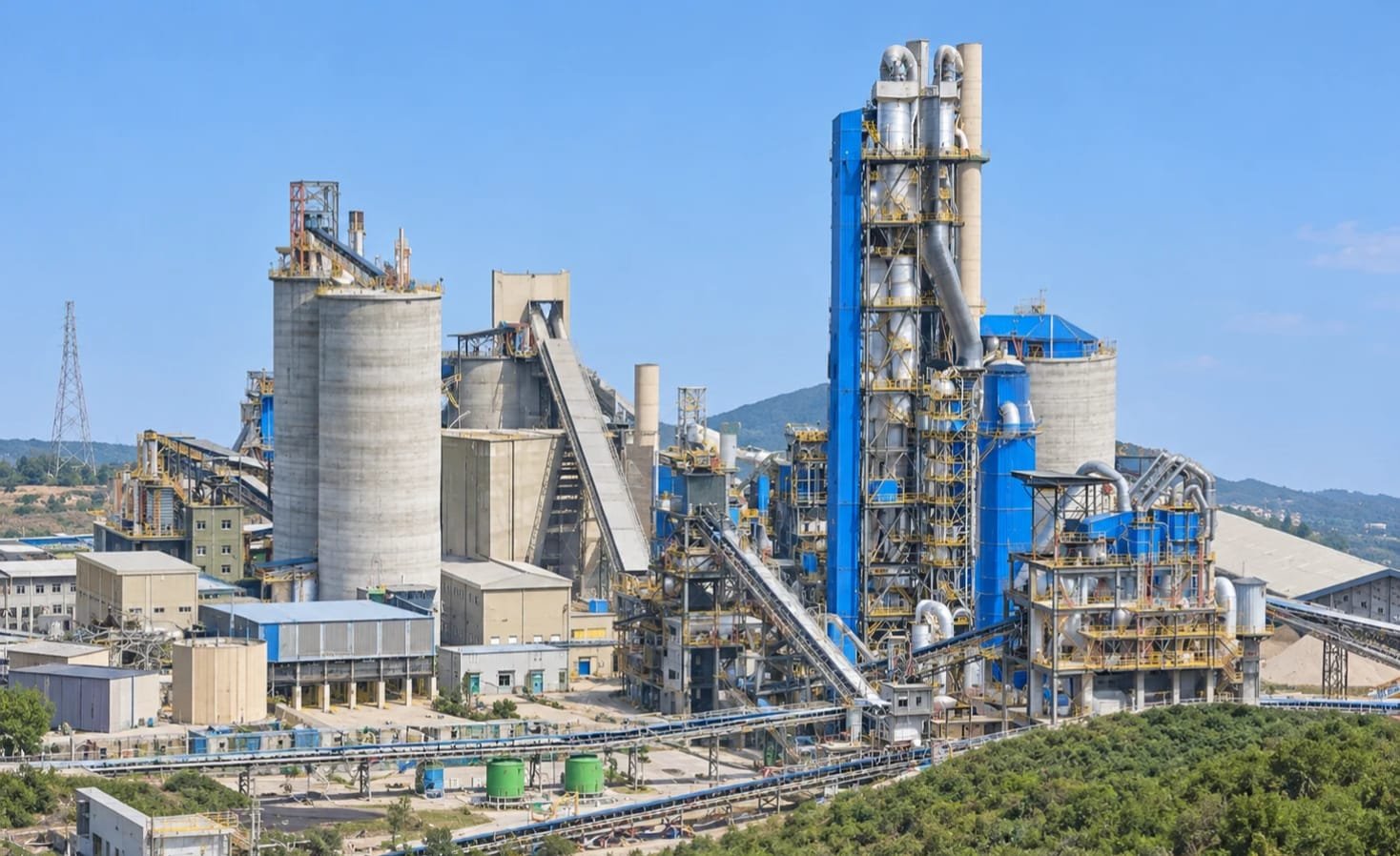
The agreement establishes the regulatory and implementation framework for major upgrade projects at the country’s existing and brownfield refineries. Under the approved arrangement, participating refineries will be required to complete their modernisation projects within five years while complying with the conditions attached to incentives and investment protections offered under the policy.
The initiative represents a major effort to strengthen Pakistan’s domestic refining capacity, improve fuel quality and reduce the country’s long-term dependence on imported petroleum products.
According to industry estimates, the proposed refinery upgrades could increase domestic petrol production by as much as 72 percent while raising high-speed diesel output by approximately 39 percent. The modernisation programme is also expected to enable local refineries to produce petroleum products meeting Euro-V specifications, bringing fuel quality closer to international environmental standards.
Pakistan’s existing refining infrastructure has faced challenges associated with ageing technology, relatively low efficiency and limitations in producing cleaner, higher value petroleum products. These constraints have contributed to the country’s reliance on imported petrol and diesel even while domestic refineries continue processing crude oil.
The new framework seeks to address these structural weaknesses by encouraging refineries to invest in modern processing units, equipment and technology. The upgrades are expected to improve refinery efficiency, increase the proportion of higher-quality fuels produced from crude oil and reduce the output of less valuable petroleum products.
To facilitate the scale of investment required, the policy framework includes a range of investment protection and financial measures. These include stability provisions and tax-related incentives intended to provide greater certainty to investors undertaking capital-intensive refinery projects.
The framework also allows the establishment and operation of foreign currency accounts to facilitate the import of machinery, technology and specialised equipment required for refinery modernisation.
Alongside refinery upgrades, the policy envisages expansion of Pakistan’s onshore and offshore petroleum storage infrastructure. Greater storage capacity could improve the country's ability to maintain strategic fuel supplies and strengthen resilience against disruptions in international energy markets and supply chains.
The refinery modernisation programme also carries wider implications for Pakistan’s external account. A substantial increase in locally refined petrol and diesel could reduce the volume of finished petroleum products imported by the country, potentially lowering foreign exchange requirements associated with fuel imports.
However, the extent of those benefits will depend on timely investment, implementation of individual refinery projects, crude availability, domestic demand and broader conditions in international oil markets.
If completed as planned, the upgrades could significantly reshape Pakistan’s downstream petroleum sector by creating a more modern refining system capable of producing larger quantities of cleaner fuels domestically.
The ECC’s approval of the Draft Upgrade Agreement provides the institutional framework for moving the programme towards implementation, with the next phase expected to focus on investment commitments, project execution and compliance with the five year modernisation timeline.
اسلام آباد | ری نیوز پاکستان
وفاقی کابینہ کی اقتصادی رابطہ کمیٹی (ای سی سی) نے اگست 2026 میں ترمیم شدہ پاکستان آئل ریفائننگ پالیسی 2023 کے تحت ڈرافٹ اپ گریڈ معاہدے کی منظوری دے دی ہے، جس سے ملک کے فرسودہ آئل ریفائننگ انفراسٹرکچر کی آپ گریڈیشن کے لیے تقریباً 6 ارب ڈالر کی سرمایہ کاری کی راہ ہموار ہوگئی ہے۔
یہ معاہدہ ملک کی موجودہ اور براؤن فیلڈ ریفائنریوں میں بڑے پیمانے پر اپ گریڈیشن منصوبوں کے لیے ریگولیٹری اور عملی فریم ورک فراہم کرتا ہے۔ منظور شدہ انتظام کے تحت اس پروگرام میں شامل ریفائنریوں کو پالیسی کے تحت فراہم کردہ مراعات اور سرمایہ کاری کے تحفظ سے متعلق شرائط پر عمل کرتے ہوئے پانچ سال کے اندر اپ گریڈیشن کے منصوبے مکمل کرنا ہوں گے۔
اس اقدام کا بنیادی مقصد پاکستان کی مقامی آئل ریفائننگ صلاحیت میں اضافہ، ایندھن کے معیار کو بہتر بنانا اور طویل مدت میں درآمدی پیٹرولیم مصنوعات پر ملک کا انحصار کم کرنا ہے۔
صنعتی تخمینوں کے مطابق مجوزہ اپ گریڈیشن سے ملک میں پیٹرول کی پیداوار میں 72 فیصد تک جبکہ ہائی سپیڈ ڈیزل کی پیداوار میں تقریباً 39 فیصد اضافہ ہوسکتا ہے۔ آپ گریڈیشن کے اس پروگرام سے مقامی ریفائنریوں کو یورو-V معیار کی پیٹرولیم مصنوعات تیار کرنے کے قابل بنانے کی بھی توقع ہے، جس سے پاکستان میں ایندھن کا معیار بین الاقوامی ماحولیاتی معیارات کے مزید قریب آسکے گا۔
پاکستان کا موجودہ ریفائننگ انفراسٹرکچر طویل عرصے سے فرسودہ ٹیکنالوجی، نسبتاً کم کارکردگی اور صاف اور زیادہ قدر کی حامل پیٹرولیم مصنوعات کی محدود پیداواری صلاحیت جیسے مسائل کا سامنا کر رہا ہے۔ ان کمزوریوں کے باعث مقامی سطح پر خام تیل کی ریفائننگ کے باوجود ملک کو پیٹرول اور ڈیزل کی درآمدات پر انحصار کرنا پڑتا ہے۔
نئے فریم ورک کا مقصد ریفائنریوں کو جدید پراسیسنگ یونٹس، مشینری اور ٹیکنالوجی میں سرمایہ کاری کی ترغیب دے کر ان بنیادی کمزوریوں کو دور کرنا ہے۔ اپ گریڈیشن سے ریفائنریوں کی کارکردگی بہتر ہونے، خام تیل سے اعلیٰ معیار کے ایندھن کی پیداوار کا تناسب بڑھنے اور کم قدر کی حامل پیٹرولیم مصنوعات کی پیداوار میں کمی کی توقع ہے۔
سرمایہ کاری کے مطلوبہ حجم کو ممکن بنانے کے لیے پالیسی فریم ورک میں سرمایہ کاروں کے تحفظ اور مالی سہولتوں سے متعلق متعدد اقدامات شامل کیے گئے ہیں۔ ان میں استحکام سے متعلق شقیں اور ٹیکس مراعات شامل ہیں، جن کا مقصد بڑے سرمائے کے حامل ریفائنری منصوبوں میں سرمایہ کاری کرنے والوں کو زیادہ پالیسی اور مالیاتی یقین دہانی فراہم کرنا ہے۔
ریفائنریوں کی اپ گریڈیشن کے ساتھ پالیسی میں پاکستان کی ساحلی اور زمینی پیٹرولیم ذخیرہ کرنے کی صلاحیت میں اضافے کے اقدامات بھی شامل ہیں۔ ذخیرہ کرنے کی زیادہ گنجائش ملک کو سٹریٹجک ایندھن کے ذخائر برقرار رکھنے میں مدد دے سکتی ہے، جبکہ عالمی توانائی منڈیوں اور سپلائی چین میں ممکنہ رکاوٹوں کے مقابلے میں پاکستان کی توانائی سلامتی بھی مضبوط ہوسکتی ہے۔
ریفائنریوں کی آپ گریڈیشن کا یہ پروگرام پاکستان کے بیرونی کھاتے کے لیے بھی اہم اثرات کا حامل ہوسکتا ہے۔ مقامی سطح پر ریفائن شدہ پیٹرول اور ڈیزل کی پیداوار میں نمایاں اضافہ تیار شدہ پیٹرولیم مصنوعات کی درآمدی ضرورت کم کرسکتا ہے، جس کے نتیجے میں ایندھن کی درآمدات پر خرچ ہونے والے زرمبادلہ میں کمی کا امکان ہے۔