تاریخ اشاعت: September 28, 2026 - 3:34 PM
DISCO Privatisation: Investors Assess Profit Potential Alongside Regulatory Risks
ڈسکوز کی نجکاری، سرمایہ کار منافع کے ساتھ ریگولیٹری خطرات بھی پرکھنے لگے
▫️ فیسکو، گیپکو اور آئیسکو کیلئے سرمایہ کاروں کی دلچسپی، طویل مدتی ٹیرف اور ریگولیٹری یقین دہانی نجکاری کی کامیابی میں اہم عوامل قرار
اسلام آباد | ری نیوز پاکستانپاکستان میں بجلی کی تقسیم کار کمپنیوں (ڈسکوز) کی نجکاری کا عمل آگے بڑھنے کے ساتھ ممکنہ سرمایہ کار صرف کمپنیوں کی مالیت اور منافع کے امکانات ہی نہیں بلکہ ریگولیٹری، ٹیرف اور سرمایہ کاری سے متعلق خطرات کا بھی جا...
Islamabad | ReNews Pakistan
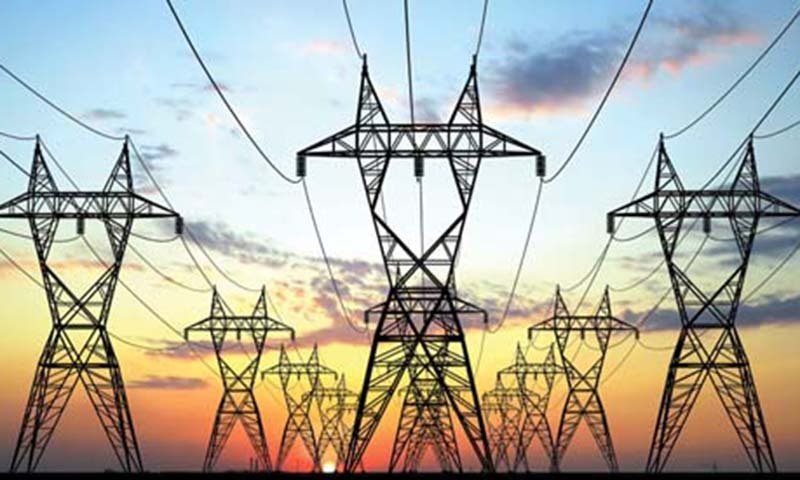
As Pakistan’s privatisation programme for electricity distribution companies moves forward, prospective investors are assessing not only the value and profit potential of the DISCOs but also the regulatory, tariff and investment risks associated with acquiring and managing the utilities.
Under the first phase of the programme, the government is seeking private sector participation through the acquisition of 51% to 100% shareholding, together with management control, in Faisalabad Electric Supply Company (FESCO), Gujranwala Electric Power Company (GEPCO) and Islamabad Electric Supply Company (IESCO). Official records show that 12 Expressions of Interest were received for FESCO, 11 for GEPCO and 10 for IESCO, with evaluation and prequalification processes progressing at different stages.
The experience of K Electric is likely to remain an important reference point for prospective investors. As one of Pakistan’s major privately owned power companies, K Electric’s experience demonstrates the potential for private ownership to bring investment and operational changes, while also highlighting the importance of regulatory and tariff decisions to the business model of a distribution utility.
An investor can influence operating costs, electricity losses, collections and network investment, but cannot independently determine the tariff through which these investments and costs are recovered. Tariffs, investment recognition, performance benchmarks and other elements of the revenue model remain subject to the regulatory process.
K-Electric’s tariff experience also highlights the significance of regulatory timelines and reviews. According to NEPRA’s record, notifications issued on September 23, 2026 covered review decisions relating to K Electric’s multi year tariff for its distribution function for FY2023 24 to FY2029 30, underlining the importance of a predictable long term regulatory framework.
For prospective DISCO investors, the issue is therefore not only how long tariff decisions may take, but also how investments made today will be recognised under the regulatory framework and how returns on those investments will be determined. Electricity distribution companies require continuing investment in feeders, transformers, grid stations, meters, automation and other network infrastructure.
The Privatisation Commission’s market sounding and investor engagement process is also intended to assess potential investors’ expectations, concerns and views regarding the post privatisation regulatory regime. The commission has said its financial adviser has undertaken due diligence, market sounding, investor outreach and work on transaction structures for the DISCO privatisation programme.
For the government, a key aspect of the DISCO privatisation process is to establish a framework that balances private investment, operational efficiency and consumer interests with greater predictability in regulatory decisions and clarity over the protection and recovery of investment.
As Pakistan’s privatisation programme for electricity distribution companies moves forward, prospective investors are assessing not only the value and profit potential of the DISCOs but also the regulatory, tariff and investment risks associated with acquiring and managing the utilities.
Under the first phase of the programme, the government is seeking private sector participation through the acquisition of 51% to 100% shareholding, together with management control, in Faisalabad Electric Supply Company (FESCO), Gujranwala Electric Power Company (GEPCO) and Islamabad Electric Supply Company (IESCO). Official records show that 12 Expressions of Interest were received for FESCO, 11 for GEPCO and 10 for IESCO, with evaluation and prequalification processes progressing at different stages.
The experience of K Electric is likely to remain an important reference point for prospective investors. As one of Pakistan’s major privately owned power companies, K Electric’s experience demonstrates the potential for private ownership to bring investment and operational changes, while also highlighting the importance of regulatory and tariff decisions to the business model of a distribution utility.
An investor can influence operating costs, electricity losses, collections and network investment, but cannot independently determine the tariff through which these investments and costs are recovered. Tariffs, investment recognition, performance benchmarks and other elements of the revenue model remain subject to the regulatory process.
K-Electric’s tariff experience also highlights the significance of regulatory timelines and reviews. According to NEPRA’s record, notifications issued on September 23, 2026 covered review decisions relating to K Electric’s multi year tariff for its distribution function for FY2023 24 to FY2029 30, underlining the importance of a predictable long term regulatory framework.
For prospective DISCO investors, the issue is therefore not only how long tariff decisions may take, but also how investments made today will be recognised under the regulatory framework and how returns on those investments will be determined. Electricity distribution companies require continuing investment in feeders, transformers, grid stations, meters, automation and other network infrastructure.
The Privatisation Commission’s market sounding and investor engagement process is also intended to assess potential investors’ expectations, concerns and views regarding the post privatisation regulatory regime. The commission has said its financial adviser has undertaken due diligence, market sounding, investor outreach and work on transaction structures for the DISCO privatisation programme.
For the government, a key aspect of the DISCO privatisation process is to establish a framework that balances private investment, operational efficiency and consumer interests with greater predictability in regulatory decisions and clarity over the protection and recovery of investment.
اسلام آباد | ری نیوز پاکستان
پاکستان میں بجلی کی تقسیم کار کمپنیوں (ڈسکوز) کی نجکاری کا عمل آگے بڑھنے کے ساتھ ممکنہ سرمایہ کار صرف کمپنیوں کی مالیت اور منافع کے امکانات ہی نہیں بلکہ ریگولیٹری، ٹیرف اور سرمایہ کاری سے متعلق خطرات کا بھی جائزہ لے رہے ہیں۔
حکومت نے نجکاری کے پہلے مرحلے میں فیصل آباد الیکٹرک سپلائی کمپنی (فیسکو)، گوجرانوالہ الیکٹرک پاور کمپنی (گیپکو) اور اسلام آباد الیکٹرک سپلائی کمپنی (آئیسکو) میں 51 سے 100 فیصد حصص کے ساتھ انتظامی کنٹرول نجی شعبے کو دینے کیلئے اظہارِ دلچسپی طلب کیا ہے۔ سرکاری ریکارڈ کے مطابق فیسکو کیلئے 12، گیپکو کیلئے 11 اور آئیسکو کیلئے 10 اظہارِ دلچسپی موصول ہوئے، جبکہ درخواستوں کی جانچ اور پری کوالیفکیشن کا عمل مختلف مراحل میں جاری ہے۔
ممکنہ سرمایہ کاروں کیلئے کے الیکٹرک کا تجربہ ایک اہم حوالہ بن سکتا ہے۔ پاکستان کی بڑی نجی بجلی کمپنی کے طور پر کے الیکٹرک میں نجی ملکیت کے بعد آپریشنل بہتری، سرمایہ کاری اور نیٹ ورک کی کارکردگی سے متعلق اقدامات ہوئے، تاہم اس کا تجربہ یہ بھی ظاہر کرتا ہے کہ ڈسکوز کے کاروباری ماڈل میں ریگولیٹری اور ٹیرف فیصلے بنیادی اہمیت رکھتے ہیں۔
بجلی کی تقسیم کار کمپنی کا سرمایہ کار آپریٹنگ اخراجات، بجلی کے نقصانات، وصولیوں اور نیٹ ورک میں سرمایہ کاری پر اثرانداز ہو سکتا ہے، لیکن ٹیرف کا تعین اس کے یکطرفہ اختیار میں نہیں ہوتا۔ ٹیرف، سرمایہ کاری کی منظوری، کارکردگی کے اہداف اور آمدنی کے مختلف عناصر ریگولیٹری عمل سے منسلک رہتے ہیں۔
کے الیکٹرک کے معاملے میں بھی ٹیرف سے متعلق فیصلوں اور نظرثانی کے عمل میں وقت لگنے کا تجربہ موجود ہے۔ نیپرا کے ریکارڈ کے مطابق 23 ستمبر 2026 کو کے الیکٹرک کے مالی سال 2023-24 سے 2029-30 کے ملٹی ایئر ٹیرف سے متعلق نظرثانی فیصلوں کی مختلف اطلاعات جاری کی گئیں، جس سے طویل مدتی ریگولیٹری فریم ورک کی اہمیت نمایاں ہوتی ہے۔
ڈسکوز کے ممکنہ سرمایہ کاروں کیلئے مسئلہ صرف یہ نہیں کہ ٹیرف کب مقرر ہوتا ہے، بلکہ یہ بھی ہے کہ موجودہ اور مستقبل کی سرمایہ کاری کو ریگولیٹری فریم ورک کے تحت کس طرح تسلیم کیا جائے گا اور اس پر معاوضہ کس انداز میں ملے گا۔ بجلی کے نیٹ ورک میں فیڈرز، ٹرانسفارمرز، گرڈ اسٹیشنز، میٹرز، آٹومیشن اور دیگر انفراسٹرکچر پر مسلسل سرمایہ کاری درکار ہوتی ہے۔
نجکاری کمیشن کی مارکیٹ ساؤنڈنگ اور سرمایہ کاروں سے رابطے کے عمل کا مقصد بھی ممکنہ سرمایہ کاروں کی توقعات، خدشات اور نجکاری کے بعد کے ریگولیٹری نظام سے متعلق تجاویز کو سمجھنا ہے۔ کمیشن کے مطابق نجکاری کے مالیاتی مشیر نے ڈیو ڈیلیجنس، مارکیٹ ساؤنڈنگ، سرمایہ کاروں سے رابطے اور ٹرانزیکشن اسٹرکچر کی تیاری پر کام کیا ہے۔
حکومت کیلئے ڈسکوز کی نجکاری کا ایک اہم پہلو یہ ہے کہ ایسا فریم ورک تشکیل دیا جائے جس میں نجی سرمایہ کاری، آپریشنل کارکردگی اور صارفین کے مفادات کے ساتھ ساتھ ریگولیٹری فیصلوں میں پیش گوئی اور سرمایہ کاری کے تحفظ کو بھی واضح کیا جا سکے۔
پاکستان میں بجلی کی تقسیم کار کمپنیوں (ڈسکوز) کی نجکاری کا عمل آگے بڑھنے کے ساتھ ممکنہ سرمایہ کار صرف کمپنیوں کی مالیت اور منافع کے امکانات ہی نہیں بلکہ ریگولیٹری، ٹیرف اور سرمایہ کاری سے متعلق خطرات کا بھی جائزہ لے رہے ہیں۔
حکومت نے نجکاری کے پہلے مرحلے میں فیصل آباد الیکٹرک سپلائی کمپنی (فیسکو)، گوجرانوالہ الیکٹرک پاور کمپنی (گیپکو) اور اسلام آباد الیکٹرک سپلائی کمپنی (آئیسکو) میں 51 سے 100 فیصد حصص کے ساتھ انتظامی کنٹرول نجی شعبے کو دینے کیلئے اظہارِ دلچسپی طلب کیا ہے۔ سرکاری ریکارڈ کے مطابق فیسکو کیلئے 12، گیپکو کیلئے 11 اور آئیسکو کیلئے 10 اظہارِ دلچسپی موصول ہوئے، جبکہ درخواستوں کی جانچ اور پری کوالیفکیشن کا عمل مختلف مراحل میں جاری ہے۔
ممکنہ سرمایہ کاروں کیلئے کے الیکٹرک کا تجربہ ایک اہم حوالہ بن سکتا ہے۔ پاکستان کی بڑی نجی بجلی کمپنی کے طور پر کے الیکٹرک میں نجی ملکیت کے بعد آپریشنل بہتری، سرمایہ کاری اور نیٹ ورک کی کارکردگی سے متعلق اقدامات ہوئے، تاہم اس کا تجربہ یہ بھی ظاہر کرتا ہے کہ ڈسکوز کے کاروباری ماڈل میں ریگولیٹری اور ٹیرف فیصلے بنیادی اہمیت رکھتے ہیں۔
بجلی کی تقسیم کار کمپنی کا سرمایہ کار آپریٹنگ اخراجات، بجلی کے نقصانات، وصولیوں اور نیٹ ورک میں سرمایہ کاری پر اثرانداز ہو سکتا ہے، لیکن ٹیرف کا تعین اس کے یکطرفہ اختیار میں نہیں ہوتا۔ ٹیرف، سرمایہ کاری کی منظوری، کارکردگی کے اہداف اور آمدنی کے مختلف عناصر ریگولیٹری عمل سے منسلک رہتے ہیں۔
کے الیکٹرک کے معاملے میں بھی ٹیرف سے متعلق فیصلوں اور نظرثانی کے عمل میں وقت لگنے کا تجربہ موجود ہے۔ نیپرا کے ریکارڈ کے مطابق 23 ستمبر 2026 کو کے الیکٹرک کے مالی سال 2023-24 سے 2029-30 کے ملٹی ایئر ٹیرف سے متعلق نظرثانی فیصلوں کی مختلف اطلاعات جاری کی گئیں، جس سے طویل مدتی ریگولیٹری فریم ورک کی اہمیت نمایاں ہوتی ہے۔
ڈسکوز کے ممکنہ سرمایہ کاروں کیلئے مسئلہ صرف یہ نہیں کہ ٹیرف کب مقرر ہوتا ہے، بلکہ یہ بھی ہے کہ موجودہ اور مستقبل کی سرمایہ کاری کو ریگولیٹری فریم ورک کے تحت کس طرح تسلیم کیا جائے گا اور اس پر معاوضہ کس انداز میں ملے گا۔ بجلی کے نیٹ ورک میں فیڈرز، ٹرانسفارمرز، گرڈ اسٹیشنز، میٹرز، آٹومیشن اور دیگر انفراسٹرکچر پر مسلسل سرمایہ کاری درکار ہوتی ہے۔
نجکاری کمیشن کی مارکیٹ ساؤنڈنگ اور سرمایہ کاروں سے رابطے کے عمل کا مقصد بھی ممکنہ سرمایہ کاروں کی توقعات، خدشات اور نجکاری کے بعد کے ریگولیٹری نظام سے متعلق تجاویز کو سمجھنا ہے۔ کمیشن کے مطابق نجکاری کے مالیاتی مشیر نے ڈیو ڈیلیجنس، مارکیٹ ساؤنڈنگ، سرمایہ کاروں سے رابطے اور ٹرانزیکشن اسٹرکچر کی تیاری پر کام کیا ہے۔
حکومت کیلئے ڈسکوز کی نجکاری کا ایک اہم پہلو یہ ہے کہ ایسا فریم ورک تشکیل دیا جائے جس میں نجی سرمایہ کاری، آپریشنل کارکردگی اور صارفین کے مفادات کے ساتھ ساتھ ریگولیٹری فیصلوں میں پیش گوئی اور سرمایہ کاری کے تحفظ کو بھی واضح کیا جا سکے۔