Published: June 22, 2026 - 10:28 AM
Lahore Faces Growing Population Pressure as Old City Becomes Densely Congested and Outskirts See Unplanned Urban Sprawl
لاہور پر بڑھتی آبادی کا دباؤ، پرانا شہر گنجان بستیوں اور اطراف بے ہنگم پھیلاؤ کی تصویر بن گیا
▫️Housing shortage takes the form of high rents, smaller residential units, shared accommodation and informal settlements
Lahore | ReNews PakistanLahore’s rapidly growing population has intensified pressure on the city’s infrastructure, housing planning and basic urban services. Experts say the pressure is not limited to one area, although its nature differ...
Lahore | ReNews Pakistan
Lahore’s rapidly growing population has intensified pressure on the city’s infrastructure, housing planning and basic urban services. Experts say the pressure is not limited to one area, although its nature differs between the old city and Lahore’s expanding outskirts.
Residents of the old city are facing overcrowding, narrow streets and inadequate sewerage, water supply, parking and traffic management. Meanwhile, newly developed peripheral settlements are struggling with rapid land conversion, incomplete civic facilities and long commuting distances.
According to the Pakistan Bureau of Statistics’ 2023 census data, Lahore’s population has reached nearly 13 million. The district is also among Punjab’s leading destinations for migration from within the province and other parts of the country.
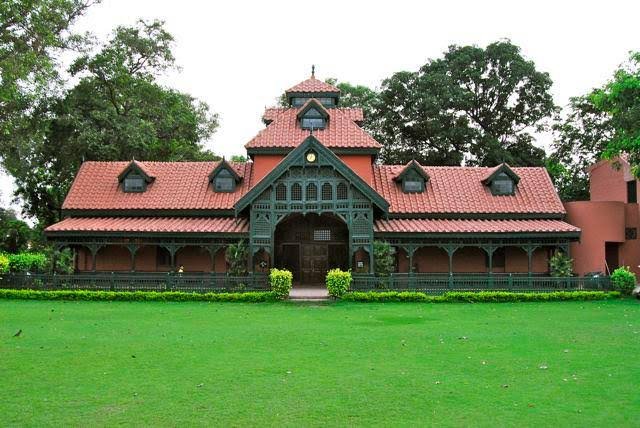
Urban planning experts say old Lahore is facing the most immediate and intense infrastructure pressure, as residential and commercial activity has become concentrated within limited space. In areas including the Walled City, Bhati Gate, Mochi Gate, Shah Alami, Akbari Mandi and adjoining localities, the subdivision of old houses, shared living by multiple families and increased commercial use have made water supply, drainage, sanitation and emergency access increasingly difficult.
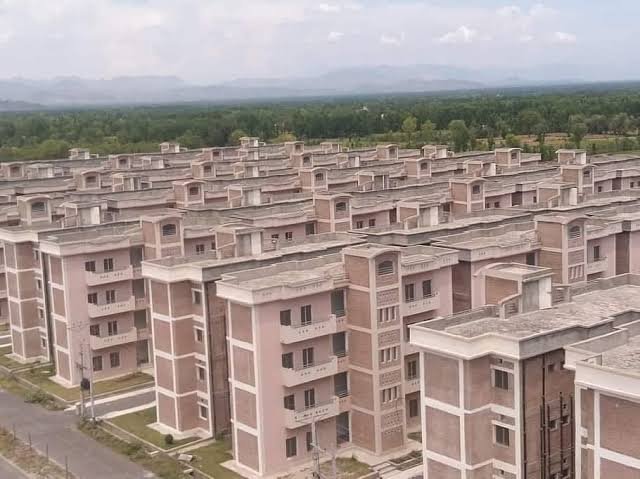
On the other hand, the city’s outskirts are facing broader, long-term pressure. The expansion of new housing schemes and private residential projects along Lahore’s edges has rapidly converted agricultural land into built-up areas. Research studies indicate that while the spread of housing societies has expanded the city’s boundaries, the provision of roads, public transport, water, sewerage, schools, hospitals and employment centres has not kept pace.
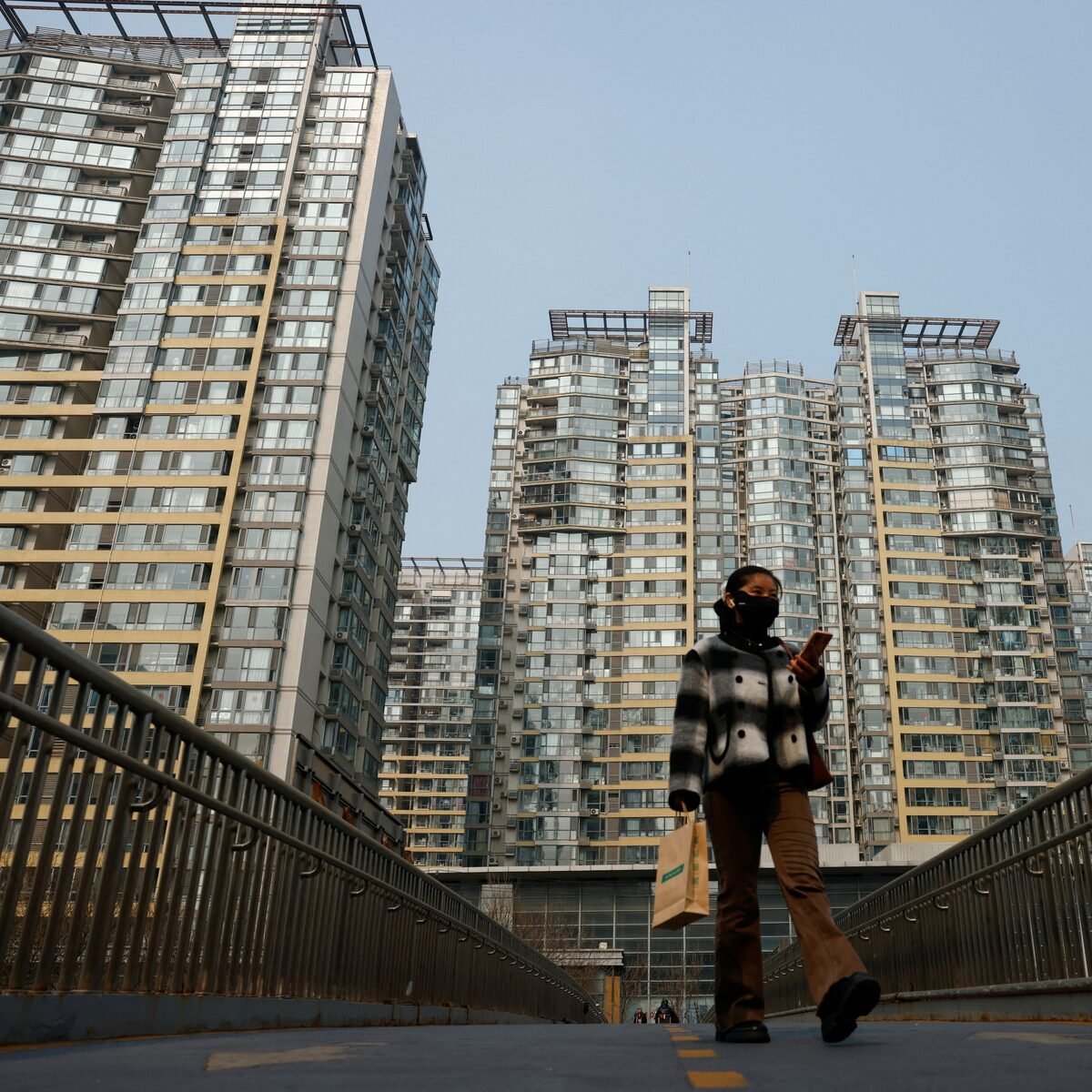
The housing shortage has now taken a different form. The issue is no longer simply the limited number of homes; suitable housing is increasingly beyond the reach of low- and middle-income families. This has led to rising rents, overcrowding in small flats and homes, unplanned subdivision of old houses, the growth of informal settlements and housing located far from workplaces.
Pakistan’s overall housing shortfall is estimated at more than 10 million units, with urban, low-income and peri-urban households bearing the greatest impact.
Experts believe Lahore’s solution does not lie in new housing schemes alone. It also requires the rehabilitation of the old city, affordable housing, improved rental systems, vertical development, integrated public transport and advance planning for water, sewerage, parks, schools and healthcare facilities in new settlements.
لاہور | ری نیوز پاکستان
لاہور کی بڑھتی آبادی نے شہر کے انفراسٹرکچر، رہائشی منصوبہ بندی اور بنیادی شہری سہولیات پر دباؤ بڑھا دیا ہے۔ ماہرین کے مطابق یہ دباؤ صرف ایک علاقے تک محدود نہیں، تاہم اس کی نوعیت پرانے لاہور اور شہر کے اطراف میں مختلف ہے۔ پرانے لاہور میں موجود آبادیوں کو گنجانی، تنگ گلیوں، ناکافی سیوریج، پانی، پارکنگ اور ٹریفک کے مسائل کا سامنا ہے، جبکہ اطراف کی نئی آبادیوں میں زمین کے تیز رفتار استعمال، نامکمل شہری سہولیات اور طویل سفری فاصلے نمایاں مسئلہ بن چکے ہیں۔
پاکستان بیورو آف شماریات کے 2023 کے مردم شماری اعداد و شمار کے مطابق لاہور کی آبادی تقریباً ایک کروڑ 30 لاکھ تک پہنچ چکی ہے، جبکہ پنجاب میں اندرونِ صوبہ اور دیگر علاقوں سے نقل مکانی کے لحاظ سے بھی لاہور نمایاں ضلع ہے۔
شہری منصوبہ بندی کے ماہرین کا کہنا ہے کہ پرانے لاہور پر فوری اور زیادہ گہرا انفراسٹرکچر دباؤ موجود ہے، کیونکہ یہاں آبادی اور کاروباری سرگرمیاں محدود جگہ میں سمٹ چکی ہیں۔ اندرون شہر، بھاٹی گیٹ، موچی گیٹ، شاہ عالمی، اکبری منڈی اور ملحقہ علاقوں میں پرانے مکانات کی تقسیم، متعدد خاندانوں کی مشترکہ رہائش اور تجارتی استعمال میں اضافے نے پانی کی فراہمی، نکاسی آب، صفائی اور ہنگامی رسائی کو مشکل بنا دیا ہے۔
دوسری طرف، اطراف کی آبادیوں پر طویل المدتی اور وسیع پیمانے کا دباؤ بڑھ رہا ہے۔ شہر کے کناروں پر نئی ہاؤسنگ سکیموں اور نجی رہائشی منصوبوں کے پھیلاؤ نے زرعی اراضی کو تیزی سے تعمیراتی استعمال میں تبدیل کیا ہے۔ تحقیقی مطالعات کے مطابق لاہور کے گردونواح میں ہاؤسنگ سوسائٹیوں کے بڑھتے پھیلاؤ نے شہری حدود کو وسیع کیا، مگر سڑکوں، پبلک ٹرانسپورٹ، پانی، سیوریج، سکولوں، ہسپتالوں اور روزگار کے مراکز کی فراہمی اسی رفتار سے نہیں بڑھ سکی۔
مکانوں کی قلت نے اب ایک نئی شکل اختیار کر لی ہے۔ مسئلہ صرف یہ نہیں کہ گھر کم ہیں، بلکہ کم اور متوسط آمدن رکھنے والے خاندانوں کی پہنچ سے مناسب گھر دور ہوتے جا رہے ہیں۔ اس کے نتیجے میں کرایوں میں اضافہ، چھوٹے فلیٹس اور گھروں میں زیادہ افراد کی رہائش، پرانے گھروں کی غیر منصوبہ بند تقسیم، غیر رسمی آبادیوں میں اضافہ اور روزگار کی جگہ سے دور رہائش جیسے رجحانات سامنے آ رہے ہیں۔ پاکستان میں رہائشی یونٹس کی مجموعی کمی ایک کروڑ سے زائد بتائی جاتی ہے، جس کا زیادہ اثر شہری، کم آمدن اور نیم شہری خاندانوں پر پڑتا ہے۔
ماہرین کے نزدیک لاہور کے لیے حل صرف نئی ہاؤسنگ سکیمیں نہیں بلکہ پرانے شہر کی بحالی، کم قیمت رہائش، کرایہ داری کے بہتر نظام، عمودی تعمیرات، مربوط پبلک ٹرانسپورٹ اور نئی آبادیوں میں پہلے سے