
Currently viewing
Housing Societies Coverage
Policy Inconsistency in the Property Sector: A Major Obstacle to Investment and Growth
June 22, 2026
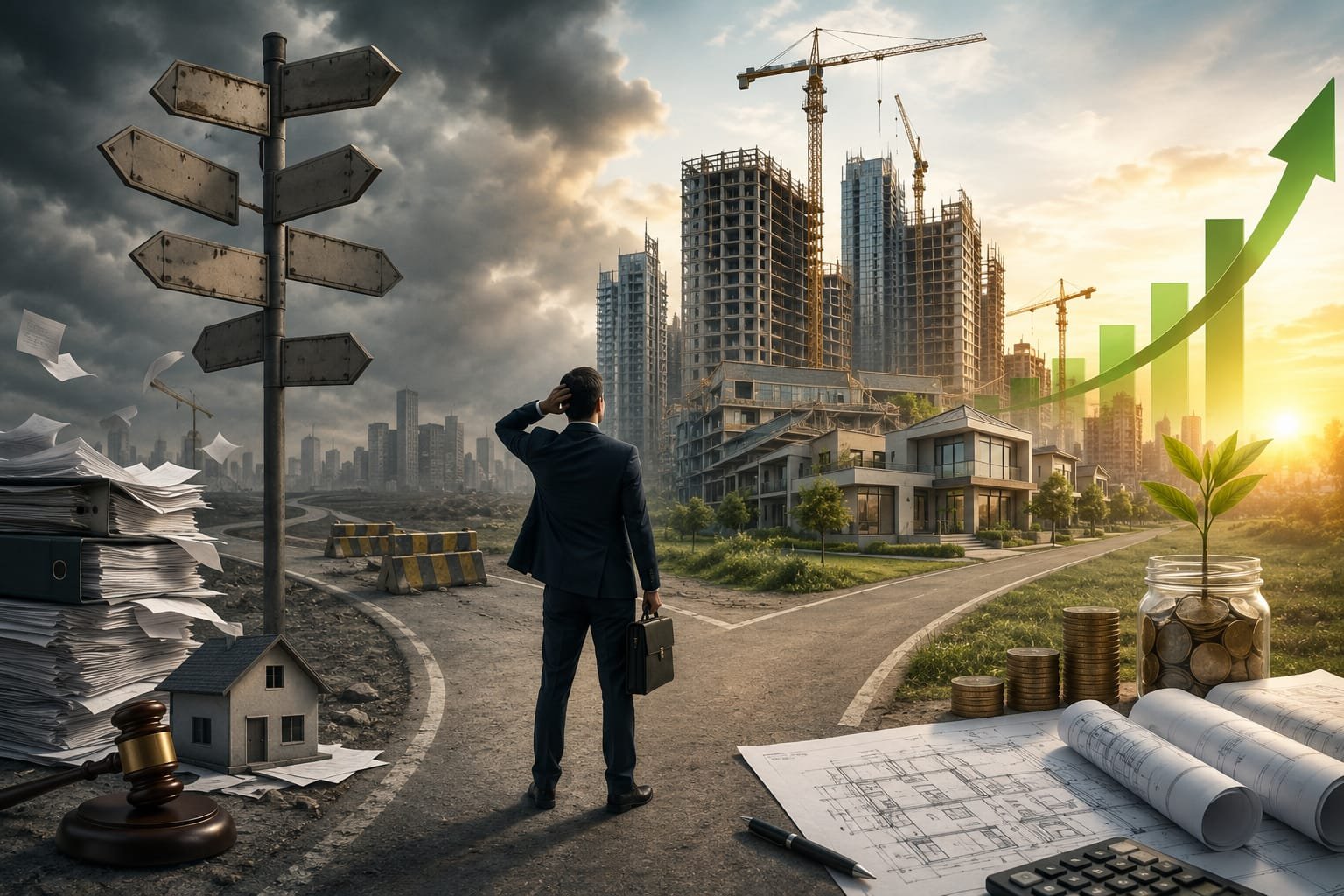
Pakistan’s real estate and construction sector is considered a key pillar of the national economy. This sector not only provides employment to millions of people but also directly and indirectly supports dozens of other industries. However, one of the major challenges facing this sector is policy inconsistency and the persistent uncertainty in the investment environment, which has been affecting its growth trajectory for several years.
Real estate investment is fundamentally based on long-term decisions. Investors, developers, and construction companies make decisions by considering future policies, the tax system, the regulatory framework, and economic stability. However, in Pakistan, tax laws, property valuation methods, capital gains tax, withholding tax, and other fiscal policies are frequently revised. This situation has undermined the confidence of both local and foreign investors.
Over the past few years, governments have introduced various measures to bring the real estate sector into the documented economy and expand the tax net. Although these initiatives had positive objectives, the frequent changes in rules and regulations created uncertainty in the market. Investors often wait to see what changes may be introduced in the next budget or policy announcement, resulting in delays in investment decisions.
In the recent Federal Budget 2026–27, the government announced several important incentives aimed at revitalizing the real estate sector. Reductions in withholding tax rates for buyers and sellers, the abolition of Section 7E, and certain other tax relief measures have been positively received by the market. Similarly, the government is taking various steps to promote housing finance, affordable housing, and investment by overseas Pakistanis.
However, the real need is not merely to offer incentives but to establish a long-term and reliable national real estate policy that can be implemented consistently over many years. Investors need assurance that their decisions will not be adversely affected by sudden policy changes or new tax burdens. If the government succeeds in providing a transparent, stable, and predictable policy framework, the real estate sector can play a significant role in economic recovery while also creating new opportunities for employment, construction, and investment.
Today, Pakistan needs a policy environment that prioritizes long-term economic stability over short-term fiscal objectives. This is the path that can enable sustainable growth in the real estate sector and provide a stronger foundation for the national economy.