Currently viewing
Housing Societies Coverage
Declining Market Demand and Reduced Purchasing Power: A Big Challenge in Real Estate Sector
June 23, 2026
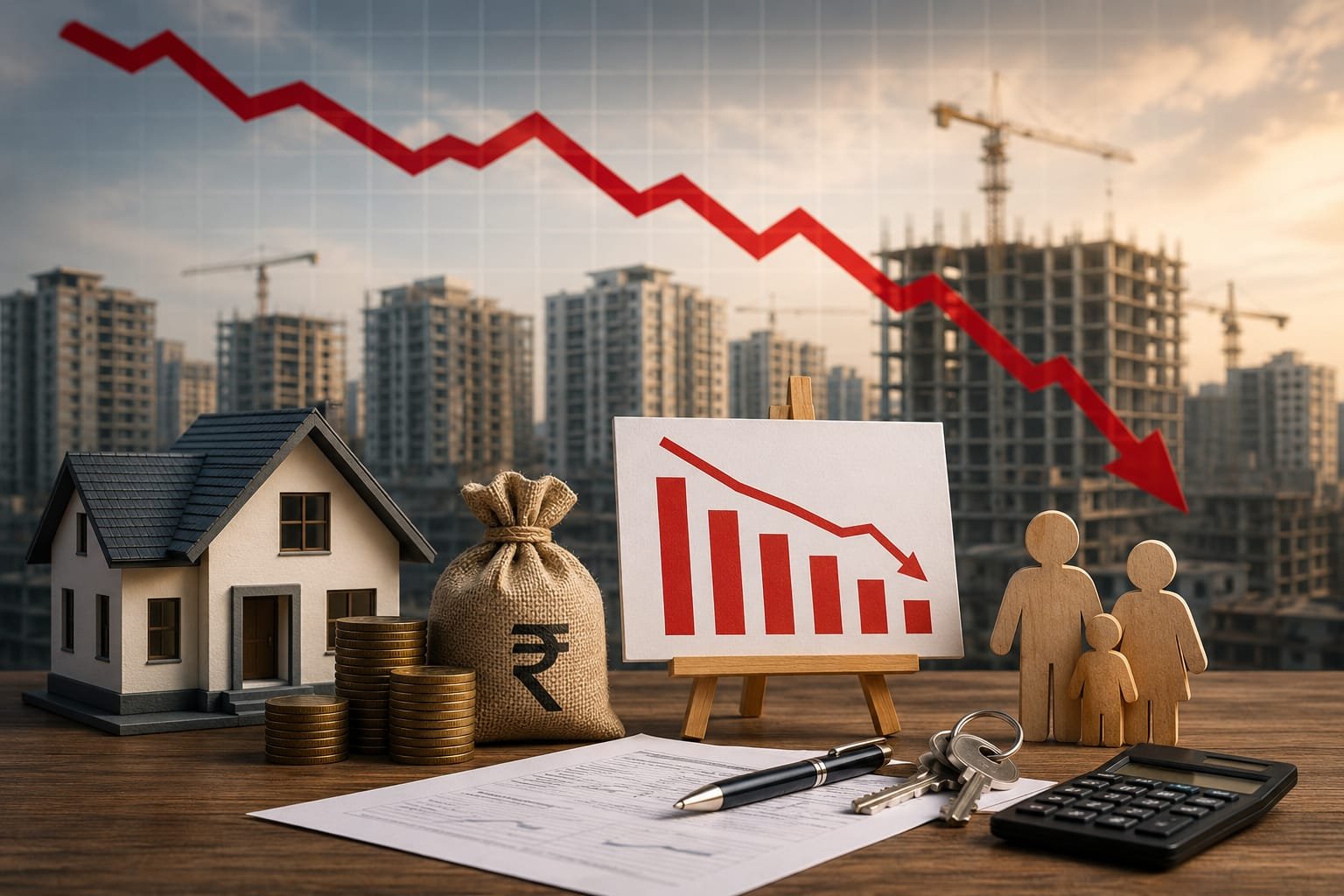
Declining market demand and reduced public purchasing power have become serious challenges for Pakistan’s property sector. Real estate is closely linked to public confidence, income levels and future economic expectations. When incomes remain limited, inflation continues to rise and daily expenses move beyond control, buying a house, plot or commercial property becomes a distant dream for the average citizen.
In recent years, rising construction costs, land prices, taxes and registration charges have made property increasingly expensive. At the same time, the income of salaried individuals and middle class families has not grown at the same pace as property prices. As a result, buyers are stepping back from the market, investors have become cautious, and the pace of sale and purchase activity in many projects appears to have slowed.
The impact of this situation is not limited to buyers alone. Developers, builders, labourers, material suppliers and related industries are also affected. When demand falls, new projects slow down, employment opportunities are hit and capital remains stuck instead of circulating in the economy.
The government has announced various measures to support housing finance, low cost housing and the construction sector. However, the real impact of these initiatives will only become visible when there is policy continuity, simplification of the tax system and improved access to bank financing for ordinary citizens. Easy instalment plans, lower interest rates and transparent housing schemes are especially important for middle and low income groups.
To revive the property market, relying merely on rising prices will not be enough. The buyer’s purchasing power must be placed at the centre of policy planning, financial burdens should be reduced, and housing should be treated not only as an investment opportunity but as a basic social need. This is the path that can lead Pakistan’s real estate sector towards sustainable growth.