
Currently viewing
Housing Societies Coverage
The Future of Real Estate in Pakistan: Opportunities, Challenges and Emerging Directions
July 13, 2026
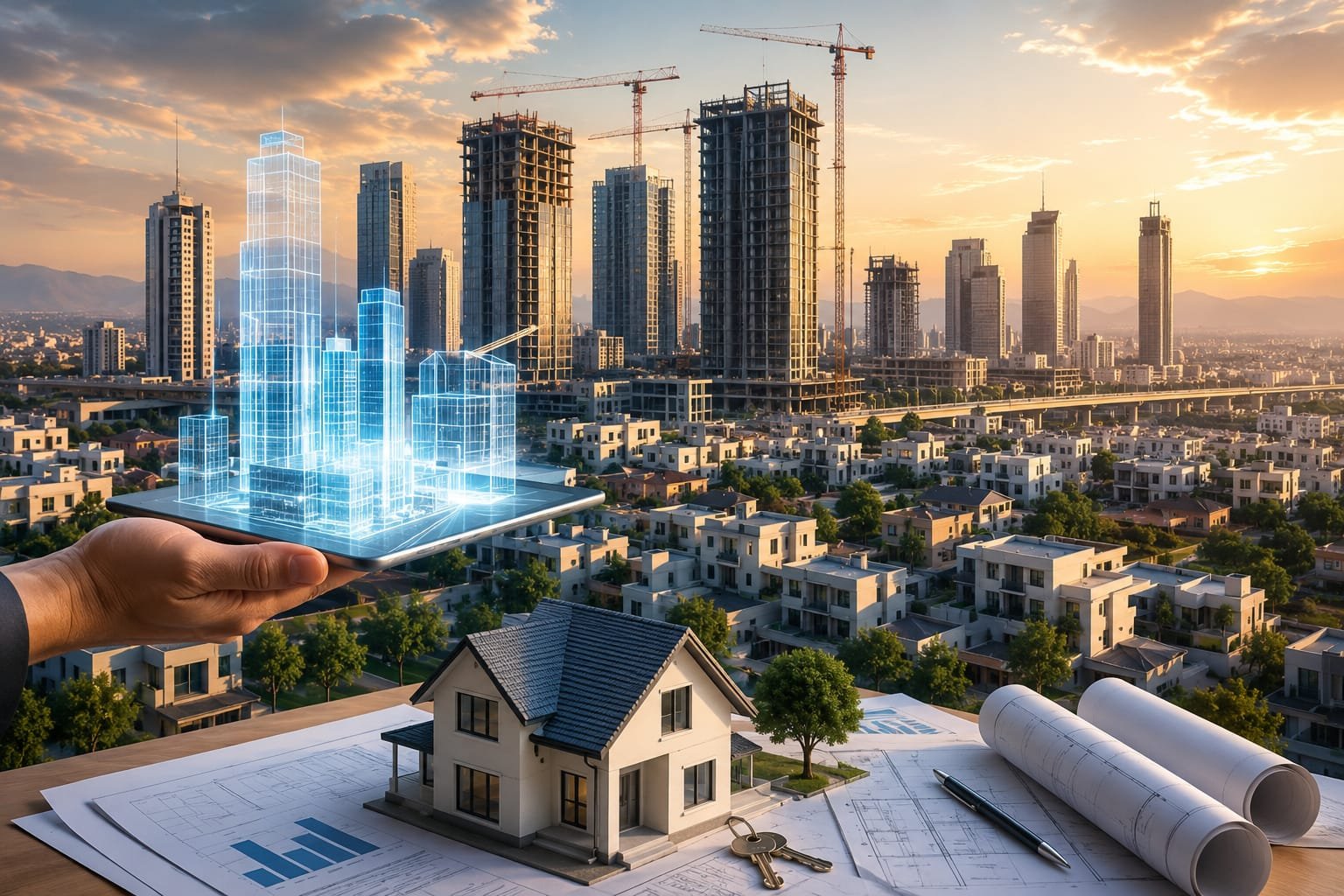
Pakistan’s real estate sector is widely regarded as one of the most important components of the national economy. Construction, housing, commercial property, cement, steel, banking, transportation and dozens of related industries are directly or indirectly linked to the sector. As a result, increased investment in real estate often generates wider economic activity and supports growth across multiple industries.
According to the United Nations, Pakistan’s urban population continues to expand. Rapid population growth and accelerating urbanisation are also driving sustained demand for residential units. Various public- and private-sector studies suggest that Pakistan requires millions of additional homes, while the existing housing shortfall is expected to widen further in the years ahead. This trend creates significant long-term opportunities for the country’s real estate industry.
In recent years, the government has introduced several measures related to housing development, digital land records, real estate regulation and investment facilitation. The computerisation of land records in Punjab, Sindh and Khyber Pakhtunkhwa has helped improve transparency in property transactions, although further reforms are still required to strengthen these systems and ensure greater public confidence.
Large-scale infrastructure projects are also playing a major role in shaping the future of Pakistan’s property market. New motorways, expressways, ring roads, mass-transit systems and industrial zones tend to increase the value of land in areas that benefit from improved connectivity and new economic activity. Future growth in cities such as Lahore, Karachi, Islamabad, Rawalpindi, Faisalabad, Multan, Peshawar and Gwadar will depend heavily on the pace and quality of such infrastructure development.
The sector, however, continues to face several challenges. High interest rates, rising construction costs, fluctuations in cement and steel prices, undocumented transactions, legal disputes and unapproved housing schemes have all affected investor confidence. There is also a persistent need for clear policies and a stable taxation framework to create a more predictable and investment-friendly business environment.
In line with global trends, the importance of PropTech, smart cities, green buildings, digital property marketing and Geographic Information System-based planning is also increasing in Pakistan. In the future, companies and institutions that adopt modern technology, provide transparent information and deliver professional services are likely to gain a competitive advantage.
Overall, Pakistan’s real estate sector retains strong long-term potential despite short-term economic pressures. Population growth, urban expansion, infrastructure investment and sustained housing demand are expected to create new opportunities in the coming years. However, sustainable growth will require transparent laws, modern urban planning, effective regulation and investor-friendly policies. With the right reforms, real estate can become not only a more secure avenue for investment but also a powerful driver of long-term national economic development.