
Currently viewing
Housing Societies Coverage
Severe Shortage of Affordable Housing in Pakistan: A Growing National Crisis
July 23, 2026
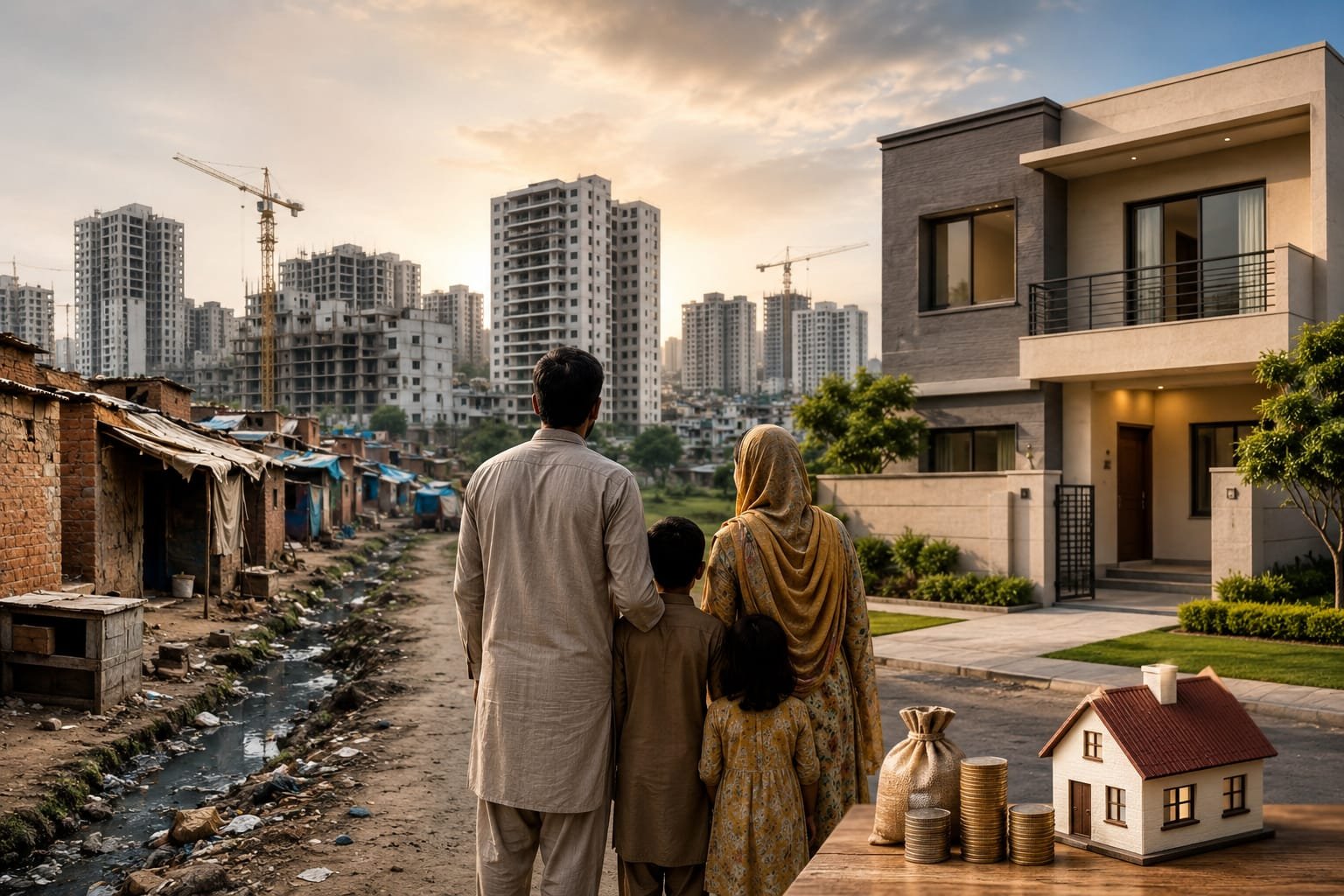
The shortage of affordable and decent housing has become one of the most serious real estate challenges in Pakistan. Rapid population growth, migration towards cities, expensive land, rising construction costs and limited access to housing finance have made homeownership almost impossible for low- and middle-income families. As a result, millions of people are forced to live in rented homes, unplanned settlements or areas lacking basic facilities.
In major cities such as Karachi, Lahore, Islamabad, Rawalpindi, Faisalabad and Peshawar, property prices have increased far beyond the income levels of ordinary citizens. Along with land prices, the cost of cement, steel, bricks, labour and other construction materials has also risen significantly. This situation has not only made new housing development more expensive but has also weakened the purchasing power of the middle class.
A major reason behind the shortage of affordable housing is the lack of effective urban planning. In many cities, residential development has not kept pace with population growth. Government institutions often face delays in allocating land, providing infrastructure and approving housing projects. At the same time, private developers generally focus on luxury apartments, expensive plots and projects designed for high-income buyers because these offer higher profits. Consequently, the housing needs of low-income families remain largely neglected.
Obtaining a bank loan for the purchase or construction of a house is also difficult for the average citizen. High interest rates, strict eligibility requirements, documented income conditions and heavy monthly instalments prevent most people from accessing housing finance. Individuals working in the informal economy, including small shopkeepers, labourers and daily-wage workers, are almost completely excluded from the formal mortgage system.
The social consequences of this crisis are equally serious. A lack of proper housing contributes to the expansion of informal and overcrowded settlements, where access to clean water, sanitation, electricity, healthcare, education and a safe environment is often limited. Rising rents also force families to spend a large portion of their income on housing, leaving less money for food, education and medical treatment.
To address this problem, the government must adopt a long-term national housing policy. Affordable homes can be developed through low-cost public land, easy instalment plans, subsidised financing, transparent allotment systems and public-private partnerships. Authorities should also promote vertical housing, low-cost construction technologies and properly regulated rental housing schemes.
An affordable home is not merely a building. It represents security, dignity and economic stability for a family. Unless housing policy is designed around the needs of ordinary citizens, Pakistan’s housing crisis will continue to grow and place greater pressure on cities, families and the national economy.