
Currently viewing
Housing Societies Coverage
Affordable Rental Housing Should Be Made Part of Pakistan’s National Housing Policy
August 12, 2026
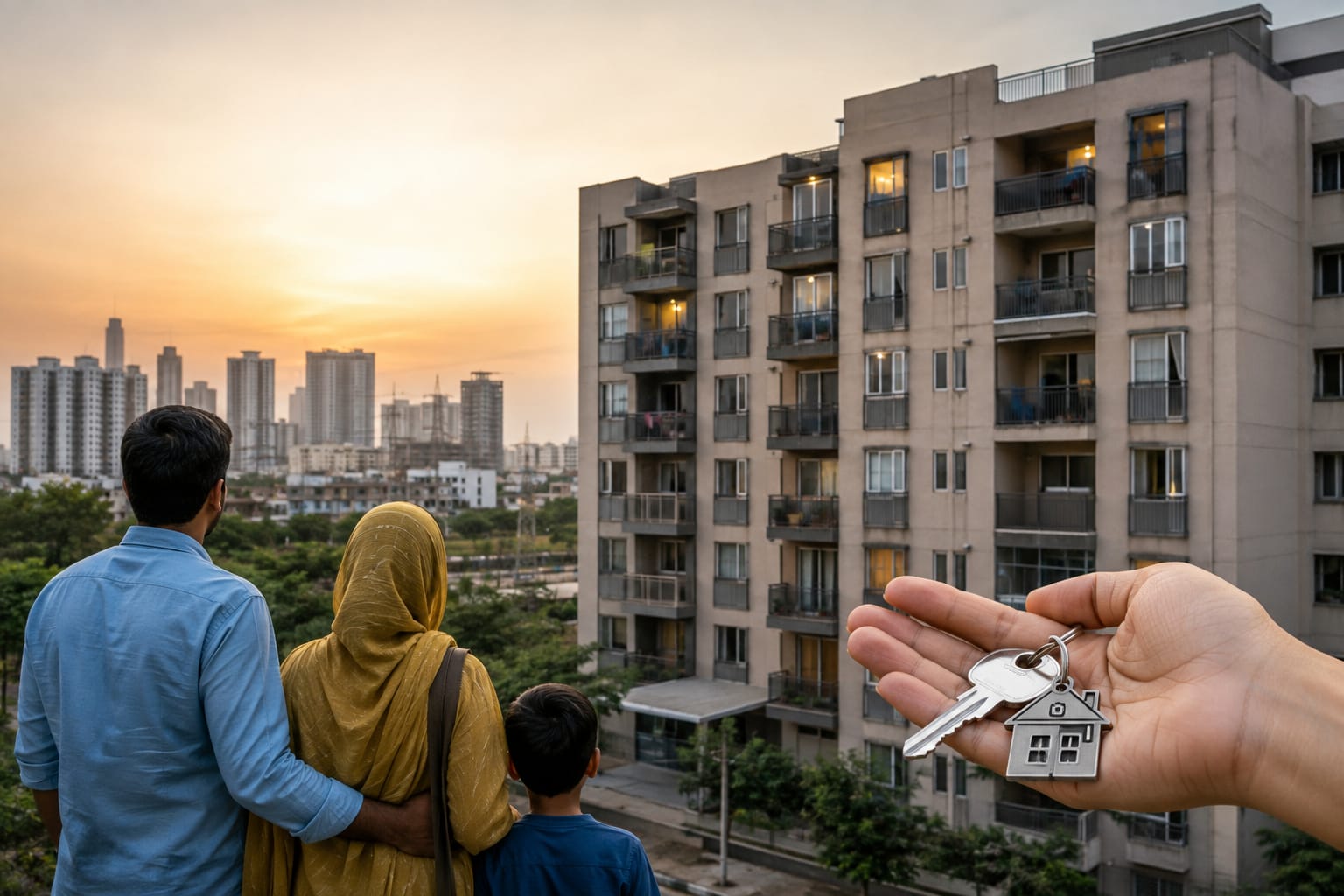
Pakistan’s housing challenge is no longer limited to the difficulty of buying a home. Finding a suitable and affordable rental property is also becoming an increasingly serious problem for middle and lower income households. Rapid population growth in major cities, migration in search of employment, limited additions to affordable housing stock and persistent inflation have combined to deepen the shortage of rental homes and push rents higher.
Every year, thousands of families move to Karachi, Lahore, Islamabad, Rawalpindi, Faisalabad and other major urban centres in search of jobs, education and better public services. However, the supply of reasonably priced housing for low and middle income households has not kept pace with this rising demand. As more tenants compete for a limited number of homes in the same neighbourhoods, landlords are in a stronger position to increase rents.
Inflation is another major factor behind the growing rental burden. Rising costs of construction materials, land, maintenance, electricity, water and other services eventually feed into rental prices. Many landlords increase rents substantially each year, while salaries and household incomes often fail to rise at the same pace. As a result, some families are forced to spend a large share of their monthly income on rent, leaving less money for education, healthcare, food and transportation.
The absence of a well regulated and organised rental housing market further complicates the situation. In Pakistan, most rental arrangements are negotiated privately between landlords, property dealers and tenants. In many cases, tenancy agreements lack clarity, security deposits are high and advance rent places an additional financial burden on tenants. Unregulated brokerage charges and unreliable information in parts of the property market also create difficulties for people searching for accommodation.
Students, young professionals, small families and people relocating from other cities are among those most affected by the shortage. When affordable apartments are unavailable, many are forced to live in shared accommodation, hostels or distant suburban areas. This not only reduces housing choice but also increases commuting costs and travel time.
To address the problem, the government should move beyond housing policies focused primarily on home ownership and formally include affordable rental housing in the national housing framework. Public private partnerships could be used to develop rental apartment projects specifically designed for low and middle income households.
Greater emphasis on vertical housing, improved public transport and better infrastructure in suburban areas could also reduce pressure on expensive central neighbourhoods. At the same time, clear and enforceable rules are needed for tenancy agreements, annual rent increases, security deposits and property agent fees.
If Pakistan fails to address the rental housing challenge in a timely manner, declining housing affordability could contribute to deeper urban poverty, the expansion of informal settlements and widening social inequality in the years ahead.