
Currently viewing
Housing Societies Coverage
How Important Is the Construction Industry to Pakistan’s Economy?
August 22, 2026
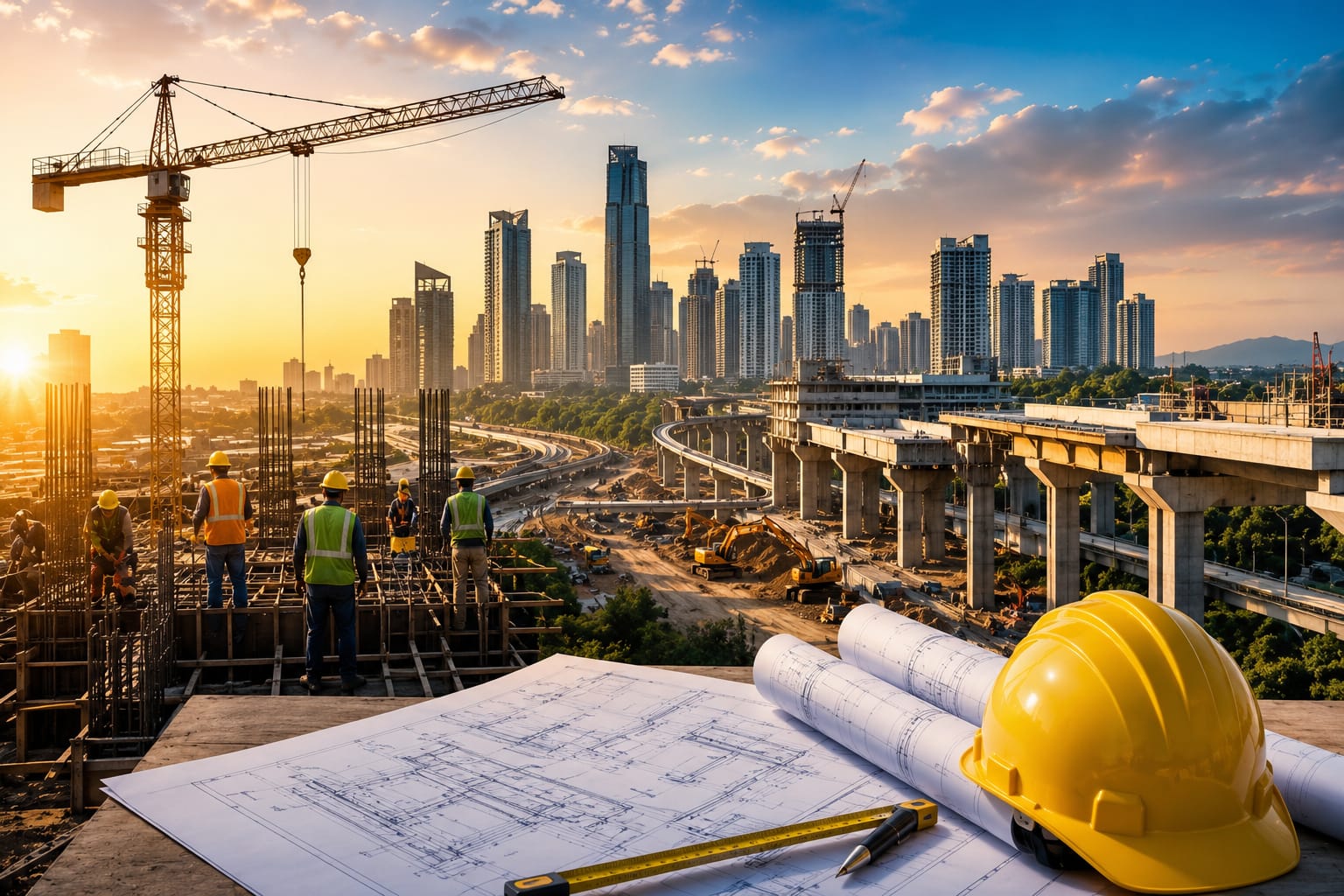
Pakistan’s construction industry is regarded as one of the most important sectors of the national economy. Its significance extends far beyond the construction of houses, commercial plazas, roads and buildings, as dozens of allied industries are directly linked to its performance. Cement, steel, bricks, glass, tiles, timber, paint, electrical equipment, sanitary products, transport and labour are among the many sectors that depend heavily on construction activity. As a result, growth in the construction sector creates employment opportunities and stimulates wider business activity across the economy.
Pakistan’s rapidly growing population and expanding urban centres have significantly increased demand for housing, commercial buildings and infrastructure. New housing schemes, apartment projects, commercial centres, highways, underpasses and other development projects in major cities indicate that the importance of the construction sector is unlikely to diminish in the foreseeable future. In particular, rising demand for affordable housing among middle and lower income households presents a major opportunity for the industry.
However, Pakistan’s construction sector continues to face a number of serious challenges. Frequent fluctuations in the prices of construction materials remain one of the biggest concerns. Increases in the cost of cement, steel, electricity and fuel push construction expenses higher, ultimately raising the prices of residential and commercial properties. At the same time, high interest rates and expensive financing make it increasingly difficult for ordinary citizens to build or purchase homes.
Another major obstacle is the country’s complicated and often unclear regulatory framework. In many cities, lengthy procedures for building plan approvals, no-objection certificates, land use conversions and other permissions create difficulties for developers and investors. Some projects remain delayed for months or even years because of slow government approvals. A more effective one-window system, wider use of digital approvals and clearer building regulations could significantly improve the pace of development.
Pakistan’s construction industry also needs to adopt modern building technologies more aggressively. Prefabricated construction, energy-efficient buildings, solar systems, advanced insulation, smart-home technology and environmentally sustainable construction methods are becoming increasingly common across the world. Their wider adoption in Pakistan could help reduce costs while improving construction quality and project completion times.
Reviving and strengthening the construction sector will require a comprehensive policy approach. The government needs to focus on stabilising the prices of construction materials, improving access to housing finance, accelerating approval processes, restoring investor confidence and ensuring a transparent regulatory environment. The private sector, meanwhile, must place greater emphasis on construction quality, safety standards and modern technology.
With the right policies, effective oversight and a favourable investment environment, Pakistan’s construction industry has the potential to generate millions of jobs while making a major contribution to economic growth, improved urban infrastructure and efforts to address the country’s housing shortage.