
Currently viewing
Housing Societies Coverage
Encroachments and Illegal Occupation: A Growing Property Issue in Pakistan
August 25, 2026
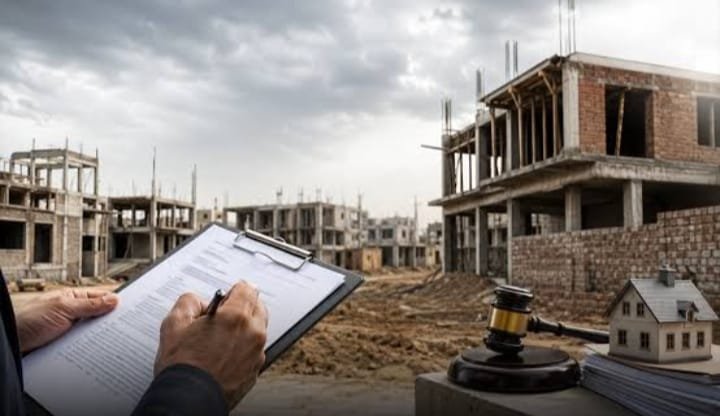
Encroachments and illegal occupation remain among the most persistent property related problems in Pakistan. From residential plots and commercial properties to government land, roads, parks and public spaces, illegal occupation can undermine property rights, disrupt urban planning and create serious financial and legal difficulties for property owners.
For an ordinary property owner, the problem can be particularly frustrating. A person may possess a registered property, allotment letter or other ownership documents, yet still struggle to obtain physical possession because another individual has occupied the land. In some cases, disputes arise from forged documents, illegal transfers, boundary manipulation or unauthorised construction.
Public land is also vulnerable. Roadsides, footpaths, drainage channels, parks and other government-owned spaces are frequently affected by illegal structures and commercial activities. Such encroachments reduce the space available for pedestrians, obstruct traffic and can interfere with drainage systems. During heavy rainfall, blocked drains and illegally occupied waterways can contribute to urban flooding.
Why illegal occupation is difficult to control
One major reason is the complexity of Pakistan’s land administration system. Property records can involve revenue departments, development authorities, local governments, housing societies and courts. When records are outdated or ownership information is unclear, resolving disputes becomes more complicated.
Weak enforcement can further encourage encroachment. If illegal occupants believe that eviction will be delayed or that legal proceedings may continue for years, they may continue occupying disputed land. In some cases, political or influential connections can make enforcement even more difficult.
Litigation is another major challenge. Property disputes can remain in courts for extended periods, preventing legitimate owners from using, selling or developing their property. For investors, such uncertainty can make a property commercially unattractive even when its location is otherwise valuable.
The solution requires more than periodic anti-encroachment operations. Authorities need accurate and digitally accessible land records, clearly defined property boundaries, faster dispute-resolution mechanisms and consistent enforcement. Development authorities and local governments should also coordinate their records and enforcement operations rather than working in isolation.
Digitisation of land records can play an important role by reducing opportunities for document manipulation and improving transparency. At the same time, property owners should verify ownership, approvals, boundaries and possession status before purchasing land.
Ultimately, protecting property rights is not simply a matter of protecting individual investments. It is essential for orderly urban development, public infrastructure and confidence in the real-estate market. Unless Pakistan addresses the underlying causes of illegal occupation and encroachment, the problem will continue to affect both private property owners and the wider public.