
Currently viewing
Housing Societies Coverage
Illegal Construction and Commercialisation: A Growing Challenge to Urban Planning
August 28, 2026
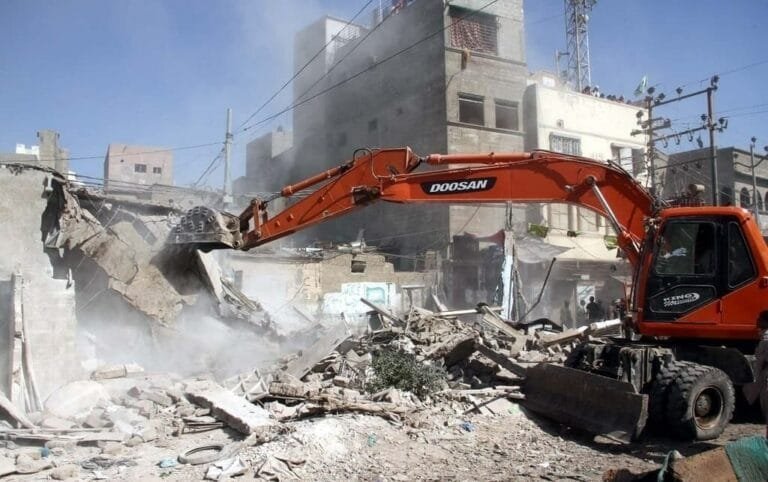
Rapid population growth, expanding business activity and rising land prices in Pakistan’s major cities have made illegal construction and unauthorised commercialisation a significant urban and property-related challenge. The establishment of shops, offices, restaurants, clinics, schools and other commercial activities in residential areas without the required approvals not only disrupts urban planning but also places additional pressure on existing infrastructure.
Illegal construction refers to development carried out in violation of approved building plans, building bylaws or the designated land-use regulations of the relevant development or municipal authority. Similarly, converting a residential property into a commercial establishment without obtaining the required permission from the competent authority falls under unauthorised commercialisation. In some cases, property owners construct additional floors, deviate from approved building plans or begin using designated parking areas, greenbelts and other reserved spaces for construction purposes.
One of the most visible consequences of unauthorised commercialisation is the growing pressure on traffic and parking. A road or neighbourhood originally designed to accommodate limited residential traffic can face several times more vehicle movement when large numbers of shops, offices or restaurants are established there. This can lead to congestion, encroachment on footpaths, inadequate parking facilities and increasing difficulties for pedestrians.
At the same time, the increased commercial activity places additional pressure on water supply, electricity, sewerage and drainage systems. In some areas, commercial operations also generate greater volumes of waste, while inadequate drainage can create environmental and sanitation problems. As a result, infrastructure designed primarily for residential use can become inadequate for the intensity of commercial activity taking place in the area.
The issue is not limited to pressure on urban services. Illegal construction can also pose serious risks to legitimate property owners and investors. If a building lacks proper approval, does not conform to the sanctioned plan or is being used for an unauthorised purpose, the property may subsequently face sealing, fines, demolition or legal action. Such uncertainty can adversely affect the property’s market value, its saleability and investor confidence in the real estate sector.
A lasting solution requires more than periodic enforcement operations. Relevant authorities need to introduce and effectively implement digital building-permit systems, transparent commercialisation policies, regular monitoring mechanisms and consistent enforcement of regulations. Property owners and prospective buyers must also exercise due diligence by verifying land-use status, approved building plans and all required permissions before constructing, purchasing or investing in a property.
Urban development is not simply about constructing more buildings; it is about creating cities where residential needs, commercial activity, traffic management, environmental considerations and infrastructure remain properly balanced. If illegal construction and uncontrolled commercialisation are not addressed effectively, their impact on urban planning, property values and the quality of life of citizens is likely to become increasingly serious.