Explore the divisions of Sindh, a major province in Pakistan with strategic coastal regions,
agricultural zones, and rapidly growing urban real estate hubs.
Governs land revenue, territorial administration, and overall land management across
Sindh.
Sindh Land Records
Authority (SLRA)
Responsible for digitization, maintenance, and verification of rural land records in
Sindh.
Sindh Local Government
& Housing Town Planning Department
Oversees urban development, housing schemes, town planning, and municipal
governance.
Sindh Building Control
Authority (SBCA)
Regulates building approvals, construction standards, and urban compliance within
Sindh.
Important Updates from Sindh
Real Estate & Land News
Published: October 5, 2026 at 4:01 PM
Sindh Launches Rs 87bn Coastal Resilience Project for Thatta, Sujawal and Badin
سندھ کا ٹھٹھہ، سجاول اور بدین کیلئے 87 ارب روپے کا ساحلی اراضی کے تحفظ کا منصوبہ شروع
▫️ Project to benefit around one million people, strengthen flood protection and improve climate resilience across 157,130 hectares of agricultural land
▫️ منصوبے سے تقریباً 10 لاکھ افراد مستفید ہوں گے، 1 لاکھ 57 ہزار ہیکٹر سے زائد زرعی اراضی کو موسمیاتی خطرات سے تحفظ ملے گا
Karachi | ReNews PakistanThe Sindh government has launched the Rs 87 billion Sindh Coastal Resilience Project to strengthen climate resilience...
Karachi | ReNews Pakistan The Sindh government has launched the Rs 87 billion Sindh Coastal Resilience Project to strengthen climate resilience in the coastal districts of Thatta, Sujawal and Badin through major investments in drainage, irrigation, flood protection, freshwater management and environmental restoration.
The project, formally launched on October 2, 2026, is estimated to cost around Rs 87 billion, equivalent to approximately $311 million, and is expected to benefit nearly one million people living in around 500 villages across the three districts.
A major component of the project will focus on upgrading water management infrastructure, including the rehabilitation and improvement of eight major drainage systems.
These include Nagan Dhoro, Ghora Bari, Gharo, Pir Patho-Buhara, Jati and Malkani drains, along with other key drainage channels in the coastal belt.
The project also includes strengthening flood protection structures, improving irrigation channels, expanding freshwater storage capacity, promoting groundwater recharge and introducing community based water management systems.
Officials said the environmental restoration component will include plantation of mangroves over more than 15,000 hectares and inland plantation across over 6,000 hectares.
Wetland restoration is also part of the plan, with rehabilitation of Pinnah Lake identified as one of the major environmental interventions.
A Forest Mangrove Resource Centre is also planned to support scientific management, monitoring and conservation of coastal ecosystems.
The project has a significant livelihood and community development component, with measures aimed at promoting climate smart agriculture, fisheries, value-chain development and financial inclusion.
Around 43,000 young people are expected to receive market-oriented skills training, while approximately 30,000 vulnerable households will be supported through economic graduation programmes aimed at creating sustainable sources of income.
The livelihood and community development component alone has an estimated cost of Rs 30.45 billion.
The Sindh Coastal Resilience Project is being implemented in collaboration with international development partners, including the International Fund for Agricultural Development, Asian Development Bank and Green Climate Fund.
Officials estimate that the project’s infrastructure and water management interventions will improve climate resilience across approximately 157,130 hectares of agricultural land.
The measures are also projected to help prevent nearly Rs 8.95 billion in annual losses caused by flooding in the coastal districts.
کراچی | ری نیوز پاکستان سندھ حکومت نے ٹھٹھہ، سجاول اور بدین کے ساحلی اضلاع میں موسمیاتی اثرات سے نمٹنے کیلئے 87 ارب روپے مالیت کا سندھ کوسٹل ریزیلینس منصوبہ شروع کر دیا ہے، جس کے تحت نکاسی آب، آبپاشی، سیلاب سے تحفظ، میٹھے پانی کے انتظام اور ماحولیاتی بحالی کے بڑے منصوبے مکمل کئے جائیں گے۔
منصوبہ 2 اکتوبر 2026 کو باضابطہ طور پر شروع کیا گیا، جس کی مجموعی لاگت تقریباً 87 ارب روپے، یعنی لگ بھگ 31 کروڑ 10 لاکھ ڈالر، بتائی گئی ہے۔
اس منصوبے سے ٹھٹھہ، سجاول اور بدین کے تقریباً 500 دیہات میں رہنے والے لگ بھگ 10 لاکھ افراد کے مستفید ہونے کی توقع ہے۔
منصوبے کا بڑا حصہ پانی کے انتظام اور نکاسی آب کے بنیادی ڈھانچے کو بہتر بنانے پر خرچ کیا جائے گا، جس کے تحت آٹھ بڑے نکاسی نظام کی بحالی اور اپ گریڈیشن کی جائے گی۔
ان میں ناگن ڈھورو، گھوڑا باری، گھارو، پیر پٹھو۔بوہارا، جاتی اور ملکانی ڈرین سمیت دیگر اہم نکاسی آب کے نظام شامل ہیں۔
منصوبے کے تحت سیلاب سے بچاؤ کے ڈھانچوں کو مضبوط کیا جائے گا، آبپاشی چینلز کو بہتر بنایا جائے گا، میٹھے پانی کو ذخیرہ کرنے کی گنجائش میں اضافہ ہوگا، زیر زمین پانی کی ری چارجنگ کو فروغ دیا جائے گا اور کمیونٹی کی سطح پر واٹر مینجمنٹ سسٹمز متعارف کرائے جائیں گے۔
ماحولیاتی بحالی کے حصے کے تحت 15 ہزار ہیکٹر سے زائد رقبے پر مینگرووز لگانے اور 6 ہزار ہیکٹر سے زیادہ اندرونی علاقوں میں شجرکاری کا منصوبہ بھی شامل ہے۔
ویٹ لینڈز کی بحالی بھی منصوبے کا حصہ ہے، جبکہ پناہ جھیل کی بحالی کو اہم ماحولیاتی اقدام قرار دیا گیا ہے۔
ساحلی ماحولیاتی نظام کے سائنسی انتظام اور تحفظ کیلئے فاریسٹ مینگروو ریسورس سینٹر قائم کرنے کا بھی منصوبہ ہے۔
منصوبے میں روزگار اور کمیونٹی ڈویلپمنٹ پر بھی خصوصی توجہ دی گئی ہے، جس کے تحت کلائمیٹ سمارٹ زراعت، ماہی گیری، ویلیو چین ڈویلپمنٹ اور مالی شمولیت کو فروغ دیا جائے گا۔
تقریباً 43 ہزار نوجوانوں کو مارکیٹ کی ضروریات کے مطابق ہنرمندی کی تربیت دی جائے گی، جبکہ قریب 30 ہزار کمزور گھرانوں کو معاشی گریجویشن پروگرامز کے ذریعے پائیدار ذرائع آمدن کے حصول میں مدد فراہم کی جائے گی۔
روزگار اور کمیونٹی ڈویلپمنٹ کے حصے پر ہی تقریباً 30.45 ارب روپے لاگت آنے کا تخمینہ ہے۔
سندھ کوسٹل ریزیلینس منصوبہ سندھ حکومت اور بین الاقوامی ترقیاتی شراکت داروں کے تعاون سے نافذ کیا جا رہا ہے، جن میں انٹرنیشنل فنڈ فار ایگریکلچرل ڈویلپمنٹ، ایشیائی ترقیاتی بینک اور گرین کلائمٹ فنڈ شامل ہیں۔
حکام کے مطابق منصوبے کے تحت بنیادی ڈھانچے اور پانی کے انتظام سے متعلق اقدامات سے تقریباً 1 لاکھ 57 ہزار 130 ہیکٹر زرعی اراضی کی موسمیاتی مزاحمت بہتر ہوگی۔
منصوبے کے نتیجے میں ساحلی اضلاع میں سیلاب سے ہونے والے تقریباً 8.95 ارب روپے سالانہ نقصانات سے بچاؤ کی بھی توقع ہے۔
Published: October 5, 2026 at 12:02 PM
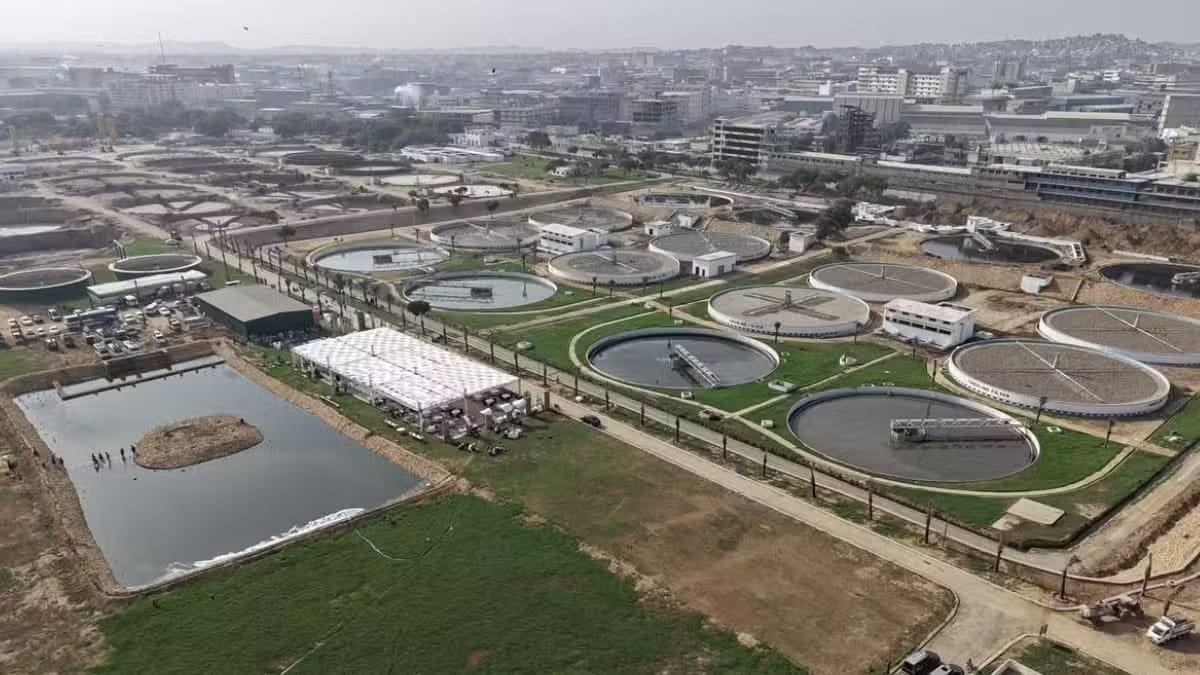
Karachi Launches Industrial Water Park to Recycle 100 MGD Wastewater for Factories
کراچی میں صنعتی واٹر پارک کا افتتاح، فیکٹریوں کیلئے روزانہ 10 کروڑ گیلن گندے پانی کی ری سائیکلنگ کا منصوبہ
▫️ First phase to supply 35 MGD of treated wastewater to industries, reducing pressure on Karachi’s freshwater resources
▫️ کراچی میں صنعتی واٹر پارک کا افتتاح، فیکٹریوں کیلئے روزانہ 10 کروڑ گیلن گندے پانی کی ری سائیکلنگ کا منصوبہ
Karachi : ReNews PakistanThe Sindh government has inaugurated the Karachi Industrial Water Park (TP-1), a major wastewater recycling project designed...
Karachi : ReNews Pakistan The Sindh government has inaugurated the Karachi Industrial Water Park (TP-1), a major wastewater recycling project designed to supply treated municipal wastewater to industries while conserving freshwater for drinking and household consumption across the city. The project will have the capacity to provide up to 100 million gallons per day (MGD) of recycled water to Karachi’s industrial sector once its two phases become fully operational, potentially reducing the pressure that factories place on the city’s limited freshwater resources. Under the first phase, the facility will supply 35 MGD of treated wastewater for industrial use. Work on the second phase, which will add another 65 MGD to the system, is being launched alongside the inauguration of the initial phase. The second phase is targeted for completion within six months. Once the expansion is completed, the facility is expected to provide industries with up to 100 MGD of treated process water during 2027. The initiative is based on recycling municipal wastewater that would otherwise remain underutilised or contribute to environmental problems. After treatment, the recycled water will be supplied to factories for industrial processes, replacing a portion of the freshwater currently consumed by the industrial sector. The recycled supply is intended specifically for industrial purposes and will not be used as drinking water. Karachi has long faced pressure on its water supply system due to rapid population growth, urban expansion, industrial demand and constraints in existing water infrastructure. Diverting treated wastewater to industries is expected to allow a greater share of freshwater supplies to remain available for residential and other essential uses. The project also introduces a more circular approach to urban water management by treating wastewater as a reusable resource rather than waste requiring disposal. Besides conserving freshwater, recycling municipal wastewater can help reduce the environmental burden associated with untreated or inadequately treated sewage entering natural waterways and coastal areas. The Sindh government is advancing the industrial water park in collaboration with public and private sector stakeholders as part of wider efforts to strengthen Karachi’s water infrastructure and improve the sustainability of industrial development. For Karachi’s industrial areas, a dedicated recycled-water supply could also provide an alternative source of process water at a time when competition for conventional water supplies remains high between residential, commercial and industrial consumers. Once both phases are operational, the 100 MGD recycling capacity could represent a significant shift in how the city meets industrial water demand, with wastewater increasingly reused for economic activity while higher-quality freshwater is preserved for residents. The Karachi Industrial Water Park forms part of broader efforts to improve the city’s long-term water security, promote sustainable urban development and reduce the environmental impact of wastewater disposal.
کراچی : ری نیوز پاکستان سندھ حکومت نے کراچی انڈسٹریل واٹر پارک (ٹی پی-1) کا افتتاح کر دیا ہے، جس کے تحت شہری گندے پانی کو ٹریٹ کرکے صنعتی استعمال کے قابل بنایا جائے گا، جس سے شہر میں پینے اور گھریلو ضروریات کے لیے دستیاب میٹھے پانی کو محفوظ کرنے میں مدد ملے گی۔
منصوبے کے دونوں مراحل مکمل طور پر فعال ہونے کے بعد کراچی کی صنعتوں کو روزانہ 10 کروڑ گیلن (100 ایم جی ڈی) تک ری سائیکل شدہ پانی فراہم کرنے کی گنجائش پیدا ہو جائے گی، جس سے صنعتی شعبے کا شہر کے محدود میٹھے پانی کے وسائل پر انحصار کم ہونے کی توقع ہے۔
منصوبے کے پہلے مرحلے کے تحت صنعتوں کو روزانہ ساڑھے تین کروڑ گیلن (35 ایم جی ڈی) ٹریٹڈ پانی فراہم کیا جائے گا، جبکہ پہلے مرحلے کے افتتاح کے ساتھ ہی دوسرے مرحلے پر بھی کام شروع کیا جا رہا ہے، جس سے منصوبے کی استعداد میں مزید ساڑھے چھ کروڑ گیلن (65 ایم جی ڈی) یومیہ کا اضافہ ہوگا۔
دوسرا مرحلہ چھ ماہ کے اندر مکمل کرنے کا ہدف مقرر کیا گیا ہے۔ توسیعی مرحلے کی تکمیل کے بعد 2027 کے دوران صنعتوں کو روزانہ مجموعی طور پر 10 کروڑ گیلن تک ٹریٹڈ پانی فراہم کیے جانے کی توقع ہے۔
منصوبے کے تحت میونسپل گندے پانی کو ضائع ہونے یا ماحولیاتی مسائل کا سبب بننے کے بجائے ٹریٹ کرکے قابل استعمال بنایا جائے گا۔ ٹریٹمنٹ کے بعد یہ پانی مختلف صنعتی عمل میں استعمال کے لیے فیکٹریوں کو فراہم کیا جائے گا، جس سے صنعتی شعبے میں میٹھے پانی کے استعمال کا ایک حصہ ری سائیکل شدہ پانی سے تبدیل کیا جا سکے گا۔
حکام کے مطابق ری سائیکل شدہ پانی صرف صنعتی مقاصد کے لیے مختص ہوگا اور اسے پینے کے پانی کے طور پر استعمال نہیں کیا جائے گا۔
کراچی کو تیزی سے بڑھتی ہوئی آبادی، شہری پھیلاؤ، صنعتی ضروریات اور موجودہ آبی انفراسٹرکچر کی محدود استعداد کے باعث طویل عرصے سے پانی کی فراہمی کے شدید دباؤ کا سامنا ہے۔ صنعتوں کو ٹریٹڈ گندے پانی کی فراہمی سے میٹھے پانی کا بڑا حصہ گھریلو اور دیگر بنیادی ضروریات کے لیے دستیاب رکھنے میں مدد ملنے کی توقع ہے۔
یہ منصوبہ شہری پانی کے انتظام میں ایک نئے اور پائیدار ماڈل کی جانب بھی پیش رفت ہے، جس کے تحت گندے پانی کو محض فضلہ سمجھ کر ٹھکانے لگانے کے بجائے اسے قابل استعمال وسائل میں تبدیل کیا جائے گا۔ میٹھے پانی کے تحفظ کے ساتھ ساتھ میونسپل گندے پانی کی ری سائیکلنگ سے غیر ٹریٹڈ یا ناکافی طور پر ٹریٹ کیے گئے سیوریج کے قدرتی آبی گزرگاہوں اور ساحلی علاقوں میں اخراج سے پیدا ہونے والے ماحولیاتی اثرات میں بھی کمی لائی جا سکتی ہے۔
سندھ حکومت سرکاری اور نجی شعبے کے شراکت داروں کے تعاون سے اس منصوبے کو آگے بڑھا رہی ہے، جو کراچی کے آبی انفراسٹرکچر کو بہتر بنانے اور صنعتی ترقی کو زیادہ پائیدار بنانے کی وسیع تر کوششوں کا حصہ ہے۔
کراچی کے صنعتی علاقوں کے لیے ری سائیکل شدہ پانی کی علیحدہ فراہمی صنعتی عمل کے لیے پانی کا ایک متبادل ذریعہ بھی فراہم کرے گی، خصوصاً ایسے وقت میں جب شہر میں رہائشی، تجارتی اور صنعتی صارفین کے درمیان روایتی آبی وسائل کی طلب مسلسل زیادہ ہے۔
دونوں مراحل کی تکمیل کے بعد روزانہ 10 کروڑ گیلن پانی ری سائیکل کرنے کی صلاحیت کراچی میں صنعتی پانی کی ضروریات پوری کرنے کے موجودہ نظام میں نمایاں تبدیلی لا سکتی ہے۔ اس کے نتیجے میں گندے پانی کو معاشی سرگرمیوں کے لیے دوبارہ استعمال کیا جا سکے گا جبکہ بہتر معیار کا میٹھا پانی شہریوں کی ضروریات کے لیے محفوظ رکھا جا سکے گا۔
کراچی انڈسٹریل واٹر پارک شہر میں طویل مدتی آبی تحفظ کو بہتر بنانے، پائیدار شہری ترقی کو فروغ دینے اور گندے پانی کے اخراج سے پیدا ہونے والے ماحولیاتی اثرات کو کم کرنے کی وسیع تر حکمت عملی کا حصہ ہے۔
Published: October 2, 2026 at 3:01 PM
Sindh PAC Seeks Account of Billions Collected for Karachi Road Repairs
کراچی کی سڑکوں کی مرمت کیلئے اربوں روپے کی وصولی، سندھ پی اے سی نے حساب مانگ لیا
▫️ SSGC paid Rs 11.9 billion in advance; PAC also questions spending on development schemes and manhole covers
▫️ ایس ایس جی سی نے 11 ارب 90 کروڑ روپے پیشگی ادا کیے، پی اے سی نے ترقیاتی سکیموں اور مین ہول کورز پر اخراجات کی تفصیلات بھی طلب کرلیں
Karachi | ReNews Pakistan The Sindh Assembly’s Public Accounts Committee (PAC) has sought detailed town-wise records of billions of rupees...
Karachi | ReNews Pakistan The Sindh Assembly’s Public Accounts Committee (PAC) has sought detailed town-wise records of billions of rupees collected as road cutting charges from utility companies, raising concerns over the continued poor condition of roads excavated for underground infrastructure across Karachi. The issue was taken up during a PAC meeting chaired by Nisar Khuhro, where committee members questioned local government officials about the amount collected by individual towns and how the funds had been utilised. Utility companies are required to pay road cutting charges before excavating public roads for the installation, repair or replacement of underground infrastructure, including gas, water and other utility lines. The money is intended to finance the restoration and resurfacing of roads once such work is completed. The committee was informed that Sui Southern Gas Company (SSGC) alone had paid approximately Rs11.9 billion in advance to the Karachi Metropolitan Corporation (KMC), town municipal corporations and cantonment boards for road cutting and subsequent restoration work. Despite the substantial payments, officials told the committee that many roads affected by excavation remained in poor condition and had not been properly repaired by the civic agencies responsible for their maintenance. The PAC consequently sought a detailed breakdown of the funds received by each town and other relevant civic bodies, along with records showing where and how the money had been spent. During its examination of audit objections concerning Jinnah Town, the committee was informed by the municipal commissioner that the town had received around Rs 800 million in road-cutting charges. Officials said tender notices worth approximately Rs 300 million had subsequently been issued for road construction and other development projects. Khuhro asked officials to provide the committee with a complete list of the schemes being undertaken through these funds. However, local government and town officials were unable to immediately produce comprehensive records detailing the receipts and expenditures. The lack of complete documentation prompted further scrutiny from the committee, which directed the Sindh Local Government Department to establish an effective mechanism for monitoring development projects undertaken by the city’s towns. The PAC stressed the need for greater oversight of public funds, particularly money collected specifically for restoring infrastructure damaged during utility work. PAC Questions Rs 1.9 Million Manhole Cover Purchase In a separate matter, the committee questioned Jinnah Town officials over a reported expenditure of Rs 1.9 million on manhole covers, which were said to have been purchased at a cost of around Rs 5,000 each. Officials informed the committee that the covers had been installed in UC-5, UC-7 and UC-8. Khuhro questioned why open manholes continued to pose a danger to residents, particularly children, despite funds having been spent on purchasing and installing covers. The PAC subsequently sought detailed records relating to the procurement and installation of the manhole covers. The committee’s scrutiny has brought renewed attention to the management of road-cutting charges and municipal development funds in Karachi, as it seeks documentation showing whether money collected from utility companies has been used for its intended purpose.
کراچی | ری نیوز پاکستان سندھ اسمبلی کی پبلک اکاؤنٹس کمیٹی (پی اے سی) نے یوٹیلٹی کمپنیوں سے روڈ کٹنگ چارجز کی مد میں وصول کیے گئے اربوں روپے کا ٹاؤن وار ریکارڈ طلب کرلیا ہے، جبکہ کراچی میں زیر زمین انفراسٹرکچر کی تنصیب کیلئے کھودی گئی متعدد سڑکوں کی ابتر حالت پر بھی تشویش کا اظہار کیا گیا ہے۔
یہ معاملہ نثار کھوڑو کی زیر صدارت پبلک اکاؤنٹس کمیٹی کے اجلاس میں زیر بحث آیا، جہاں کمیٹی ارکان نے بلدیاتی حکام سے استفسار کیا کہ مختلف ٹاؤنز نے روڈ کٹنگ چارجز کی مد میں کتنی رقم وصول کی اور یہ رقم کہاں اور کس مد میں خرچ کی گئی۔
قواعد کے تحت یوٹیلٹی کمپنیاں گیس، پانی اور دیگر زیر زمین تنصیبات کی تنصیب، مرمت یا تبدیلی کیلئے عوامی سڑکوں کی کھدائی سے قبل روڈ کٹنگ چارجز ادا کرتی ہیں۔ یہ رقم کام مکمل ہونے کے بعد متاثرہ سڑکوں کی بحالی اور ازسرنو تعمیر و مرمت پر خرچ کی جانی ہوتی ہے۔
کمیٹی کو بتایا گیا کہ سوئی سدرن گیس کمپنی (ایس ایس جی سی) نے روڈ کٹنگ اور بعد ازاں سڑکوں کی بحالی کیلئے کراچی میٹروپولیٹن کارپوریشن (کے ایم سی)، ٹاؤن میونسپل کارپوریشنز اور کنٹونمنٹ بورڈز کو تقریباً 11 ارب 90 کروڑ روپے پیشگی ادا کیے۔
اتنی خطیر رقم کی ادائیگی کے باوجود حکام نے کمیٹی کو بتایا کہ کھدائی سے متاثر ہونے والی متعدد سڑکیں اب بھی خراب حالت میں ہیں اور متعلقہ بلدیاتی اداروں کی جانب سے ان کی مناسب مرمت نہیں کی گئی۔
اس صورتحال پر پی اے سی نے ہر ٹاؤن اور دیگر متعلقہ بلدیاتی اداروں کو موصول ہونے والی رقم کی مکمل تفصیلات طلب کرلیں، جبکہ یہ ریکارڈ بھی مانگا گیا ہے کہ وصول شدہ رقم کہاں اور کس مد میں خرچ کی گئی۔
جناح ٹاؤن سے متعلق آڈٹ اعتراضات کا جائزہ لیتے ہوئے کمیٹی کو میونسپل کمشنر نے بتایا کہ ٹاؤن کو روڈ کٹنگ چارجز کی مد میں تقریباً 80 کروڑ روپے موصول ہوئے ہیں۔
حکام کے مطابق سڑکوں کی تعمیر اور دیگر ترقیاتی کاموں کیلئے تقریباً 30 کروڑ روپے مالیت کے ٹینڈر نوٹس بھی جاری کیے گئے ہیں۔
نثار کھوڑو نے حکام سے ان فنڈز کے تحت شروع کی جانے والی تمام سکیموں کی مکمل فہرست طلب کی۔ تاہم بلدیاتی اور ٹاؤن حکام اجلاس کے دوران وصولیوں اور اخراجات کا مکمل ریکارڈ پیش نہ کرسکے۔
مکمل دستاویزی ریکارڈ کی عدم دستیابی پر کمیٹی نے معاملے کی مزید چھان بین کرتے ہوئے سندھ کے محکمہ بلدیات کو ہدایت کی کہ کراچی کے ٹاؤنز میں جاری ترقیاتی منصوبوں کی نگرانی کیلئے مؤثر نظام وضع کیا جائے۔
پی اے سی نے عوامی فنڈز کی نگرانی مزید مؤثر بنانے کی ضرورت پر زور دیا، بالخصوص ان رقوم کے استعمال پر جو یوٹیلٹی کاموں کے دوران متاثر ہونے والے انفرااسٹرکچر اور سڑکوں کی بحالی کیلئے وصول کی جاتی ہیں۔
ایک الگ معاملے میں پبلک اکاؤنٹس کمیٹی نے جناح ٹاؤن میں 19 لاکھ روپے مالیت کے مین ہول کورز کی خریداری پر بھی حکام سے وضاحت طلب کی۔ کمیٹی کو بتایا گیا کہ مین ہول کورز تقریباً 5 ہزار روپے فی کور کے حساب سے خریدے گئے تھے۔
حکام کے مطابق یہ مین ہول کورز یوسی 5، یوسی 7 اور یوسی 8 میں نصب کیے گئے۔
نثار کھوڑو نے سوال اٹھایا کہ مین ہول کورز کی خریداری اور تنصیب پر رقم خرچ کیے جانے کے باوجود کھلے مین ہول شہریوں، بالخصوص بچوں کیلئے خطرہ کیوں بنے ہوئے ہیں۔
پی اے سی نے متعلقہ ٹاؤن حکام سے مین ہول کورز کی خریداری اور ان کی تنصیب سے متعلق مکمل تفصیلات اور ریکارڈ بھی طلب کرلیا۔
پبلک اکاؤنٹس کمیٹی کی جانب سے اس معاملے کی چھان بین کے بعد کراچی میں روڈ کٹنگ چارجز اور بلدیاتی ترقیاتی فنڈز کے استعمال کا معاملہ ایک بار پھر توجہ کا مرکز بن گیا ہے۔ کمیٹی یہ جاننے کیلئے دستاویزی ریکارڈ کا جائزہ لے رہی ہے کہ یوٹیلٹی کمپنیوں سے وصول کی گئی رقم واقعی اسی مقصد کیلئے خرچ کی گئی یا نہیں، جس کیلئے یہ وصول کی گئی تھی۔