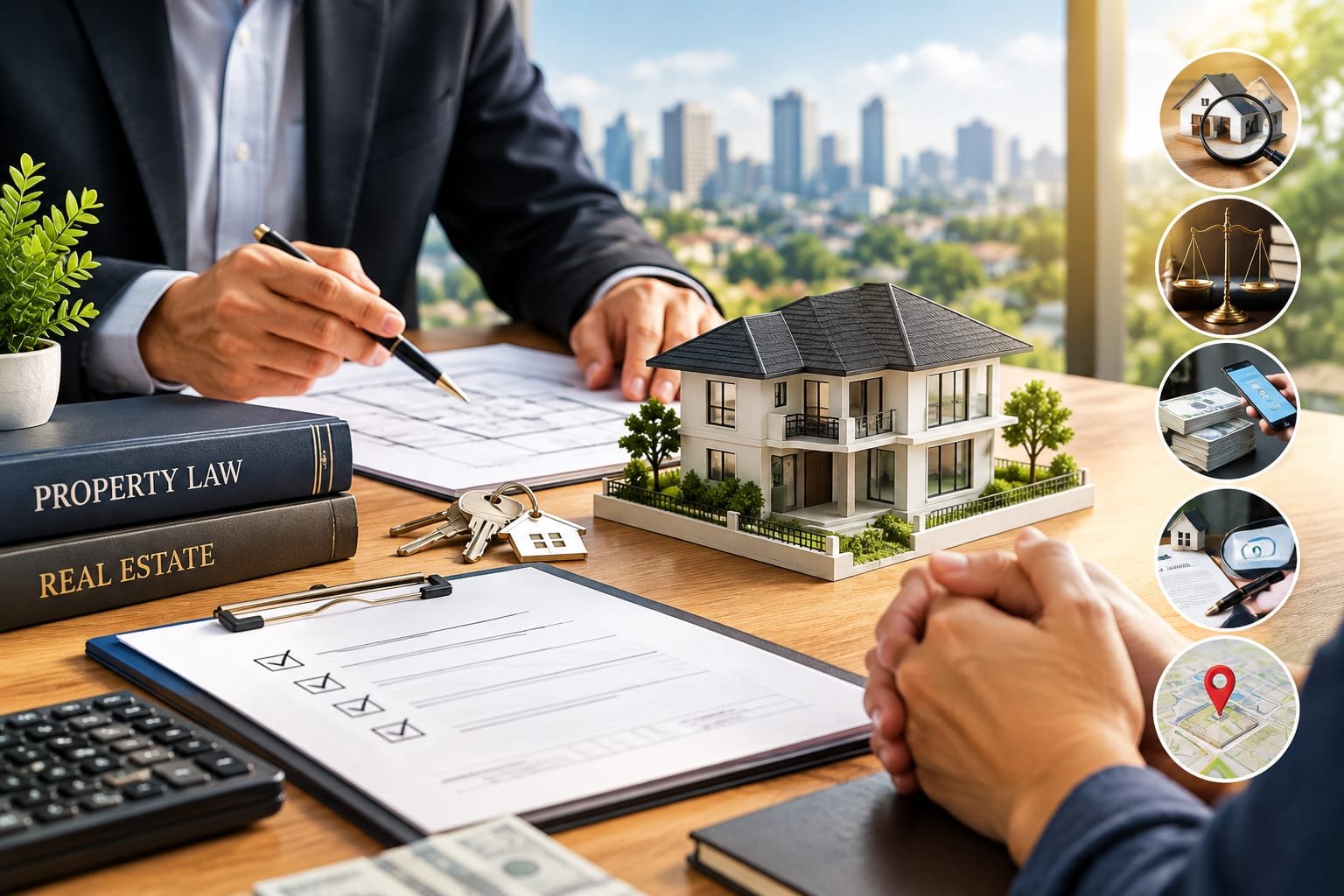
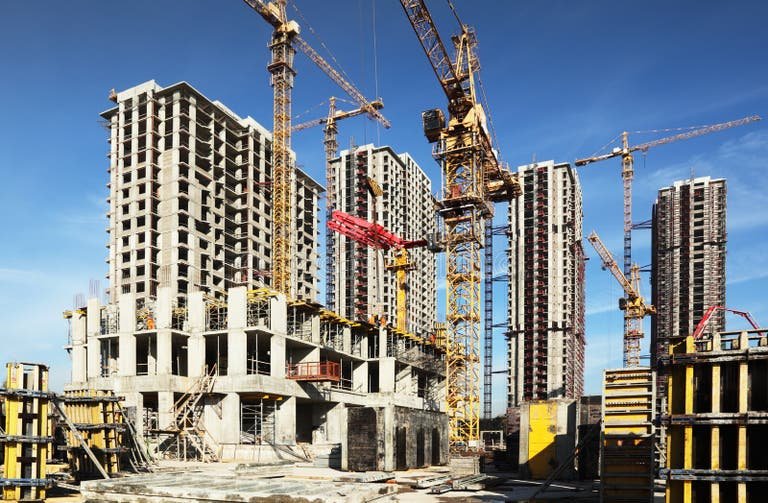
Pakistan’s housing sector is witnessing increased activity as population growth, urban expansion and rising demand for residential facilities continue to drive the development of new housing projects across the country. Alongside major metropolitan areas, emerging cities are also experiencing the launch of modern residential developments aimed at providing improved living facilities according to changing lifestyle needs.
The real estate sector remains a significant contributor to Pakistan’s economy, supporting construction activity, employment generation and investment opportunities while also playing an important role in the development of urban infrastructure. In recent years, housing trends have expanded beyond traditional residential plots, with increasing interest in apartments, gated communities, commercial zones and mixed-use developments.
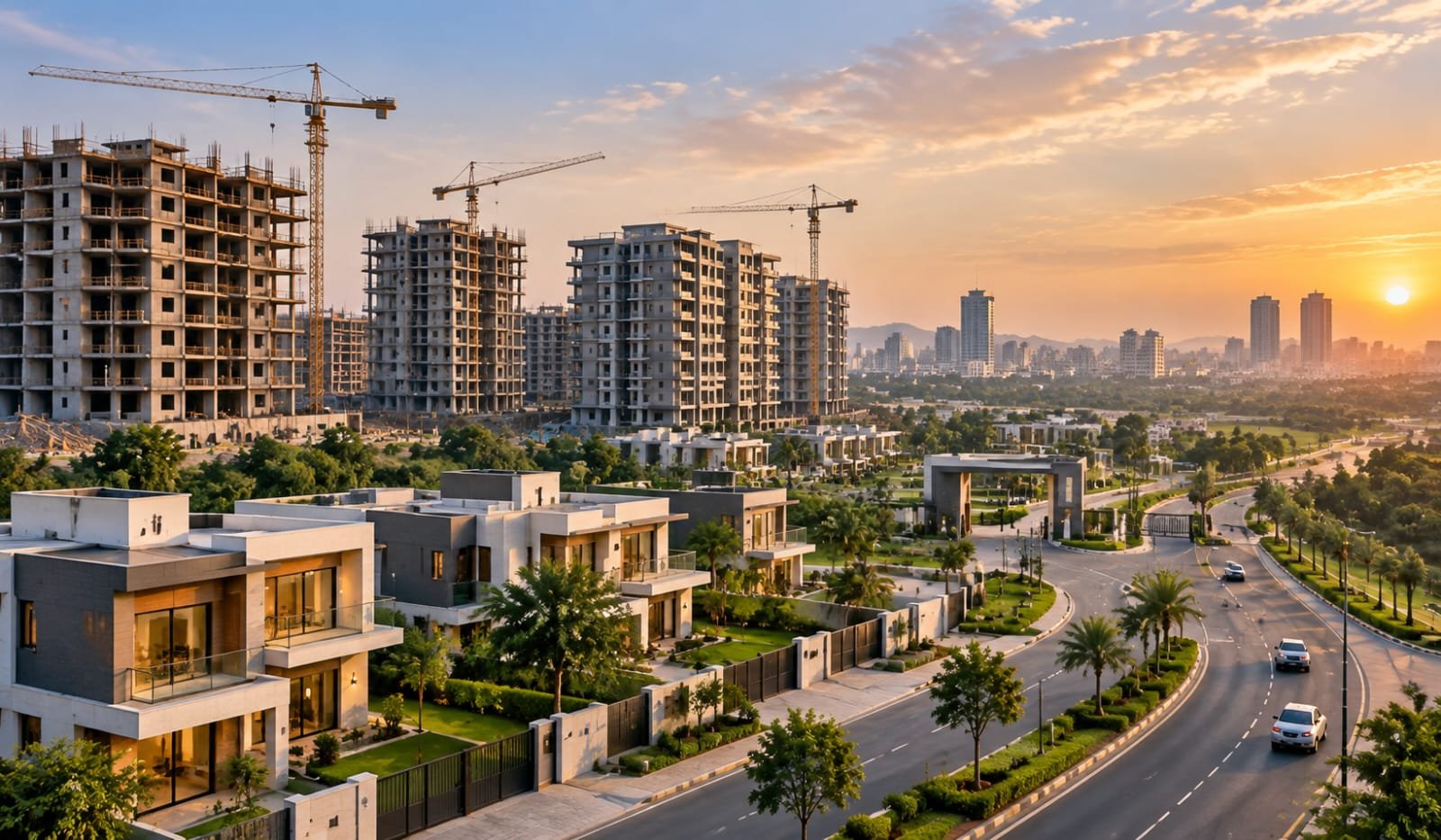
New residential projects are currently being developed in major cities including Lahore, Islamabad, Karachi, Rawalpindi and Peshawar. These developments are increasingly incorporating modern facilities such as wider roads, green spaces, security systems, community centres, educational institutions and healthcare facilities. Developers are now focusing not only on providing housing units but also on creating complete urban environments.
In Lahore, expanding urban boundaries have encouraged the development of new housing projects in suburban areas, where residential communities and apartment projects are being introduced to meet growing demand. Similarly, Islamabad and Rawalpindi are witnessing the emergence of modern residential developments that are attracting interest due to better planning, natural surroundings and improved lifestyle facilities.
In Karachi, limited land availability and increasing population density have contributed to growing interest in vertical development, including apartment projects and high-rise residential buildings. Developers are introducing new housing models to make more efficient use of available urban land while addressing the accommodation needs of a growing population.
Technology has also become an important component of modern housing projects. Digital property management systems, online booking platforms, smart security solutions and energy-efficient technologies are increasingly being incorporated into residential developments. Developers are also focusing on solar energy solutions, improved water management systems and environmentally sustainable construction practices to meet future requirements.
However, experts emphasize that transparency and proper planning remain essential for the sustainable growth of the housing sector. They highlight the importance of ensuring legal approvals, accurate land records, development standards and the availability of basic facilities in new projects to protect the interests of buyers and investors.
The government has also introduced various measures over time to support the housing and construction sectors, including steps aimed at facilitating construction activities and promoting urban development initiatives. Effective policymaking and a stronger regulatory framework can help the real estate sector grow in a more organized and sustainable manner.
The increasing pace of new housing projects in Pakistan reflects a changing urban development landscape. In the future, projects that provide not only residential spaces but also sustainable, secure and well-planned communities are expected to play a greater role in shaping the country’s cities and improving quality of life.
Published: September 17, 2026 - 4:59 PM
New Housing Projects Gain Momentum in Pakistan, Transforming Urban Development and Real Estate Landscape
پاکستان میں نئے ہاؤسنگ منصوبوں کی سرگرمیاں تیز، شہری ترقی اور رئیل اسٹیٹ مارکیٹ میں نئی جہتیں متعارف
▫️
Pakistan’s housing sector is witnessing increased activity as population growth, urban expansion and rising demand for residential facilities continue to drive the development of new housing projects across the country.