Karachi: [ReNews Pakistan]
The Karachi Development Authority has sought approval from the Sindh Local Government Department to develop a portfolio of prime land and properties valued at approximately Rs 90 billion through public private partnerships.
Under the proposal, several high value land parcels owned by the authority would be offered to private companies for joint development and commercial management. The KDA Director General has formally requested permission from the provincial government, while a summary has also been submitted to the Local Government Department for approval.
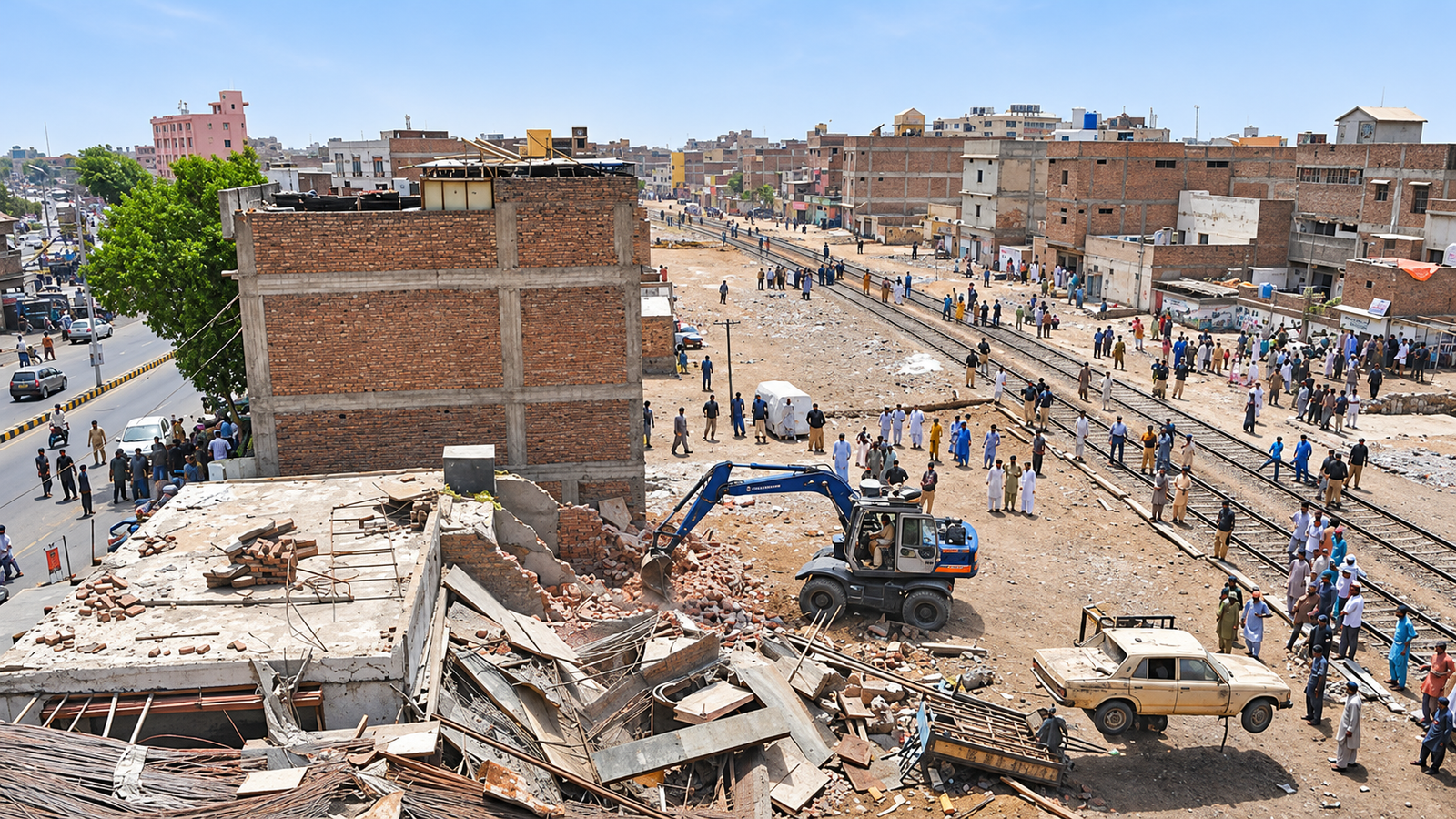
The proposed portfolio includes around 28 acres of land near the KDA Officers Housing Society on Stadium Road, 15 acres in the KDA Staff Colony in North Karachi and nearly four acres currently occupied by a KDA field office in the Federal Area.
Several other plots, buildings and land holdings owned by the authority in different parts of Karachi have also been identified for possible inclusion in the initiative.
If approved, the selected properties would be developed and managed in collaboration with private sector companies under a public private partnership framework. The combined open market value of the identified assets is estimated at around Rs 90 billion.
KDA officials believe the plan could unlock the commercial potential of underused public land and create a substantial long term source of income for the financially strained authority.
The development body has been facing mounting financial pressures, including pension liabilities, unpaid dues to retired employees and difficulties in ensuring the timely payment of salaries to serving staff.
Under the proposed arrangement, revenue generated through the development, lease or commercial use of the properties would be used to strengthen KDA’s financial position.
The income is expected to help clear outstanding payments owed to retired employees, reduce pension liabilities and improve the authority’s ability to meet salary, administrative and operational expenses.
The proposal has, however, raised concerns among KDA employees, who fear that valuable public properties could effectively pass into private control under the pretext of addressing the authority’s financial difficulties.
Employees and other stakeholders are expected to seek clarity over the ownership structure, duration of partnership agreements, revenue sharing formula, valuation process and legal safeguards for public land.
Questions may also arise over whether the identified properties would be leased, jointly developed or handed over to private companies through long term concession agreements.
Any approval would therefore require a transparent regulatory and contractual framework covering independent land valuation, competitive bidding, project feasibility, development rights, revenue sharing and the continued protection of public ownership.
The Sindh Local Government Department has not yet announced a final decision on the proposal.
KDA has urged the provincial authorities to approve the plan, arguing that the partnership model could enable the authority to develop its underutilised assets without relying entirely on government funding.
The proposal could become one of the largest land based financial restructuring initiatives undertaken by a civic development authority in Karachi.
Its success, however, would depend on open competition, independent valuation, transparent agreements and clear safeguards ensuring that public assets are commercially utilised without compromising public ownership, institutional accountability or the wider public interest.

Published: July 17, 2026 - 3:04 PM
KDA Seeks Sindh Government Approval to Develop Rs 90 Billion Worth of Land Through Public Private Partnerships
کے ڈی اے نے حکومت سندھ سے 90 ارب روپے مالیت کی اراضی پبلک پرائیویٹ پارٹنرشپ کے تحت ڈویلپ کرنے کی منظوری مانگ لی
▫️KDA says the revenue will be used to fund pensions, salaries and financial recovery, while employees fear valuable public assets could pass into private control
Karachi: [ReNews Pakistan]The Karachi Development Authority has sought approval from the Sindh Local Government Department to develop a portfolio of prime land and properties valued at approximately Rs 90 billion through public private p...