Rawalpindi : ReNews Pakistan
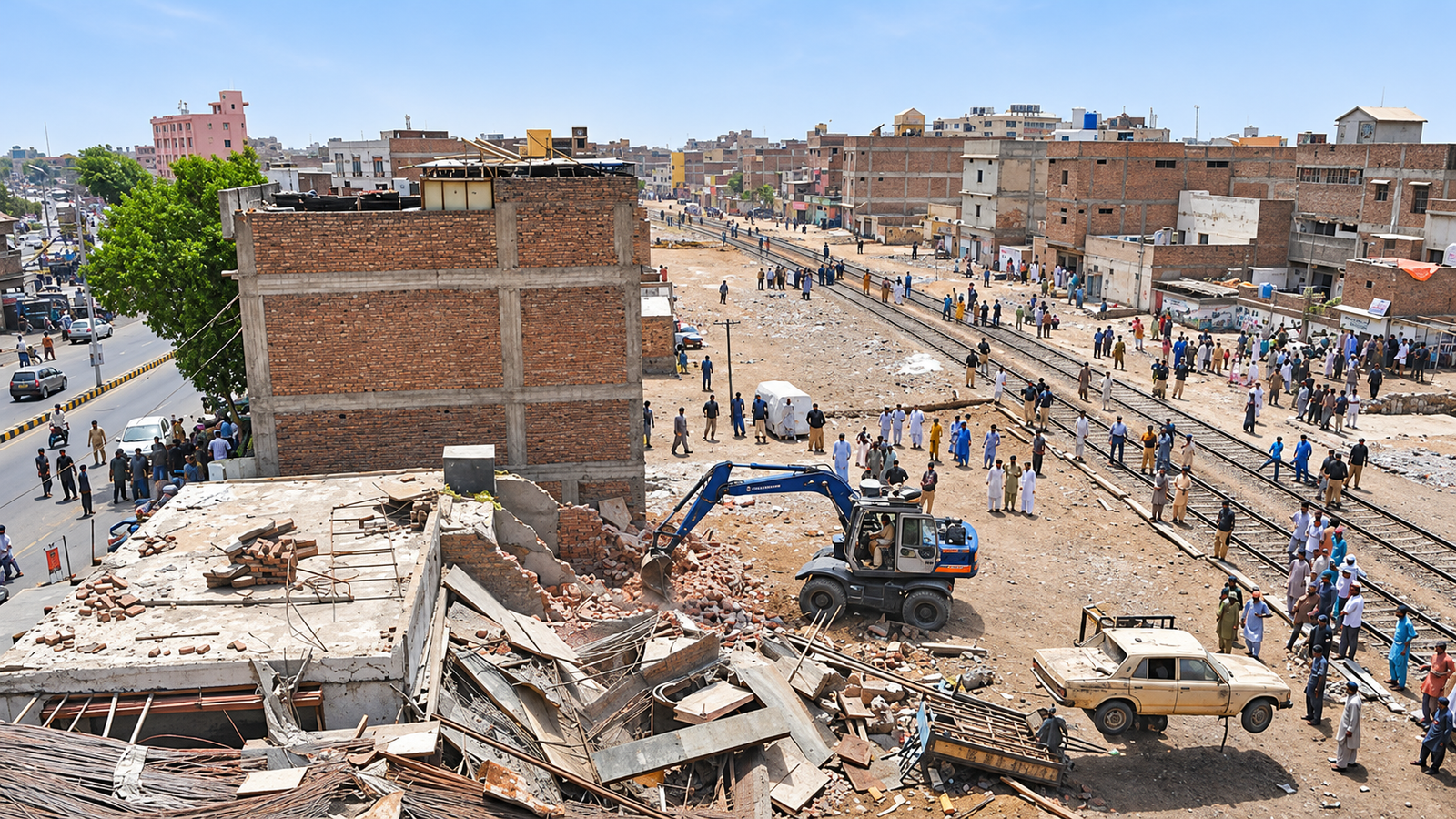
Rawalpindi’s development programme for the 2026-27 fiscal year has suffered a major setback as severe financial constraints have forced authorities to cancel hundreds of development schemes and shelve several major road and transport infrastructure projects proposed for the district.
A total of 286 development schemes have been cancelled in Rawalpindi district, while the number of dropped schemes across Rawalpindi Division has reached 360. Development projects proposed by the Rawalpindi Municipal Corporation and District Council have also been cancelled as authorities reassess spending priorities amid limited financial resources.
The financial pressure has also delayed finalisation of Rawalpindi’s District Development Plan for fiscal year 2026-27, leaving several planned infrastructure interventions outside the current development framework.
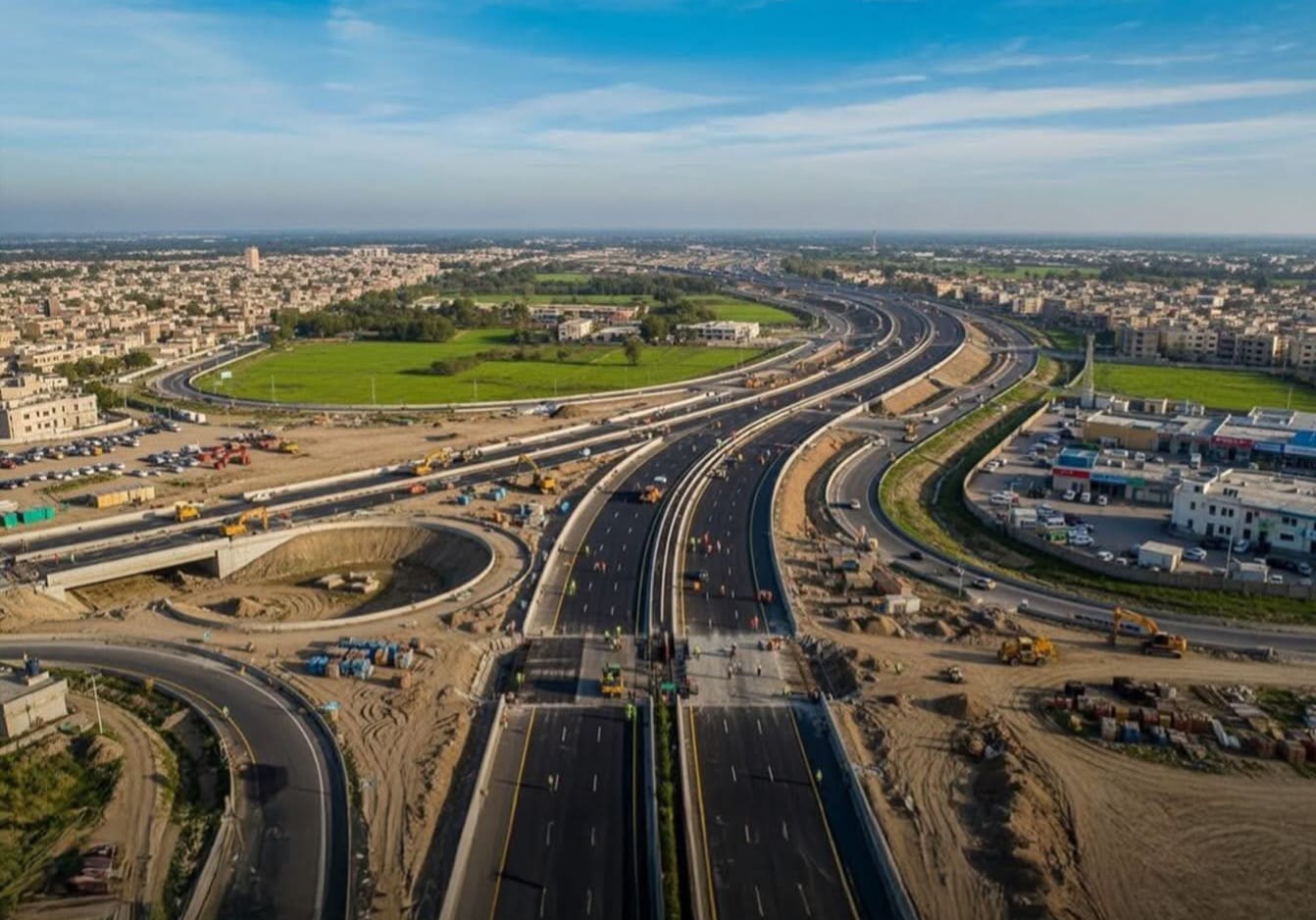
Among the major projects affected is the proposed Murree Road Signal Free Corridor, which was expected to improve traffic movement along one of Rawalpindi’s busiest urban arteries. Plans to expand service lanes between Liaquat Bagh and Chandni Chowk have also been dropped.
Several proposed underpasses have suffered the same fate. These include underpasses at Chandni Chowk, the Murree Road and Rawal Road intersection and Murree Chowk, as well as a proposed underpass intended to connect Double Road with Ninth Avenue.
The government has also shelved the Rs 800 million Leh Expressway project and a proposed multi storey parking plaza at Liaquat Bagh. The parking facility was intended to address growing parking pressure in the congested commercial areas surrounding Liaquat Bagh and Murree Road.
The Rawalpindi Development Authority had proposed major development projects worth around Rs 8 billion for fiscal year 2026-27. However, the projects were excluded from both the Annual Development Programme and District Development Plan because of funding limitations and stringent requirements for approval of their PC-Is.
The cancellation of the projects could affect planned improvements to Rawalpindi’s urban road network, particularly along Murree Road and other heavily congested corridors where growing traffic volumes have increased pressure on existing infrastructure.
Financial constraints are being compounded by a sharp increase in construction costs. Prices of key building materials, including steel, cement, iron bars, sand and gravel, have risen significantly, while labour and transportation expenses have also increased.
As a result, estimated costs of several development projects have reportedly risen by between 40 and 50 percent, making it increasingly difficult for authorities to implement schemes within previously calculated budgets.
The escalation in construction costs also means that postponing the projects may make their eventual implementation more expensive. Projects prepared on the basis of earlier cost estimates may no longer remain financially or technically viable under existing feasibility studies and planning documents.
If the government decides to revive the shelved schemes during fiscal year 2027-28, authorities are expected to undertake fresh feasibility studies and prepare revised PC-Is reflecting updated construction costs and technical requirements.
Preparing new feasibility studies and project documents could itself require expenditure running into millions of rupees before physical construction can begin.
The latest development highlights the growing impact of fiscal pressures and construction cost inflation on Rawalpindi’s infrastructure pipeline, with several projects aimed at easing congestion and improving urban mobility now facing an uncertain timeline.
Published: August 11, 2026 - 2:56 PM
Rawalpindi Drops 286 Development Schemes as Financial Crisis Stalls Major Road Projects
ایس سی او کانفرنس کیلئے اسلام آباد میں 4 ہزار عالمی معیار کے ہوٹل کمروں کی فراہمی کا ہدف
▫️RDA’s proposed Rs 8 billion development package excluded from FY 2026-27 plans, affecting signal free corridors, underpasses, road expansion and parking infrastructure
Rawalpindi : ReNews PakistanRawalpindi’s development programme for the 2026-27 fiscal year has suffered a major setback as severe financial constraints have forced authorities to cancel hundreds of development schemes and shelve several ...