Sydney | ReNews International Desk News
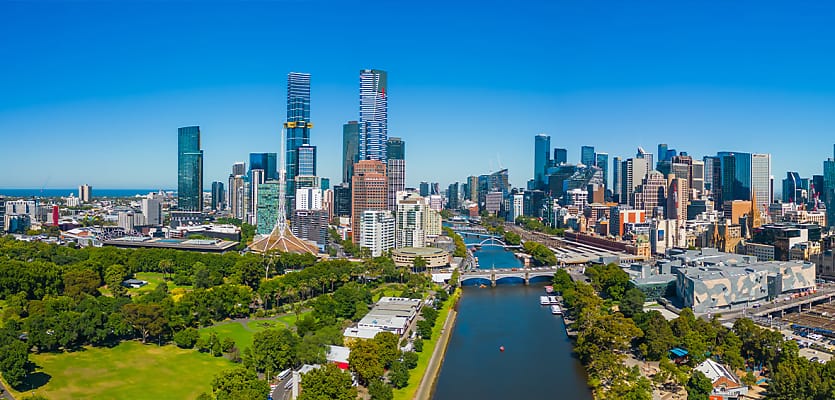
Australia’s property market, which has experienced a strong boom over the past few years, is now showing clear signs of cooling, with major investment banks warning that a correction may be underway.
The housing sector recorded significant growth recently, driven by strong investor activity, population growth, and historically low interest rates. However, this momentum is now weakening as economic conditions shift. House prices across the country rose sharply between 2020 and 2025, but early 2026 data suggests that growth is slowing and in some major cities, prices have already begun to decline.
A key factor behind this shift is the increase in interest rates by the Reserve Bank of Australia. Higher borrowing costs have significantly reduced affordability for new buyers and increased mortgage pressure on existing homeowners. As a result, demand in the property market has softened, particularly in Sydney and Melbourne, where price growth has already turned negative in recent months.
Investor activity, which played a major role in driving the boom, is also starting to slow. Rising mortgage repayments combined with lower rental returns have made property investment less attractive. At the same time, uncertainty around possible changes in government policy, particularly related to capital gains tax discounts and negative gearing, has further weakened investor confidence ahead of the upcoming federal budget.
Market indicators are increasingly pointing toward a slowdown. Auction clearance rates have dropped, price expectations have fallen, and building activity is expected to decline in the coming months. Surveys of developers also show reduced confidence in future sales volumes, suggesting that the construction sector may soften further if demand continues to weaken.
Despite these warning signs, analysts emphasize that the situation is not comparable to a financial crisis. Instead, the market appears to be entering a correction phase after several years of rapid growth. Even in worst-case estimates, property values are not expected to collapse dramatically, as household balance sheets remain relatively stable and lending conditions are still manageable.
The Reserve Bank is also unlikely to intervene quickly with rate cuts unless there is a sharp downturn in the broader economy. Current forecasts suggest moderate economic growth rather than recession, meaning financial conditions may remain tight for some time.
Overall, experts describe the outlook as a cooling housing market rather than a crash. However, they caution that prolonged high interest rates and policy uncertainty could keep prices under pressure longer than expected. Investors and homeowners are being advised to closely monitor market trends, particularly ahead of key policy announcements in the upcoming federal budget.
Published: April 29, 2026 - 3:37 PM
Australia Property Market Shows Signs of Cooling as Investment Banks Predict Correction
آسٹریلوی رئیل اسٹیٹ مارکیٹ غیر یقینی صورتحال کا شکار، انویسٹرز کو محتاط رہنے کا مشورہ
▫️Rising interest rates, weaker demand, and policy uncertainty are pressuring housing prices after years of strong growth
Sydney | ReNews International Desk News Australia’s property market, which has experienced a strong boom over the past few years, is now showing clear signs of cooling, with major investment banks warning that a correction may be unde...