

ReNews Pakistan
← Back to home

Global Real Estate News

3 news articles

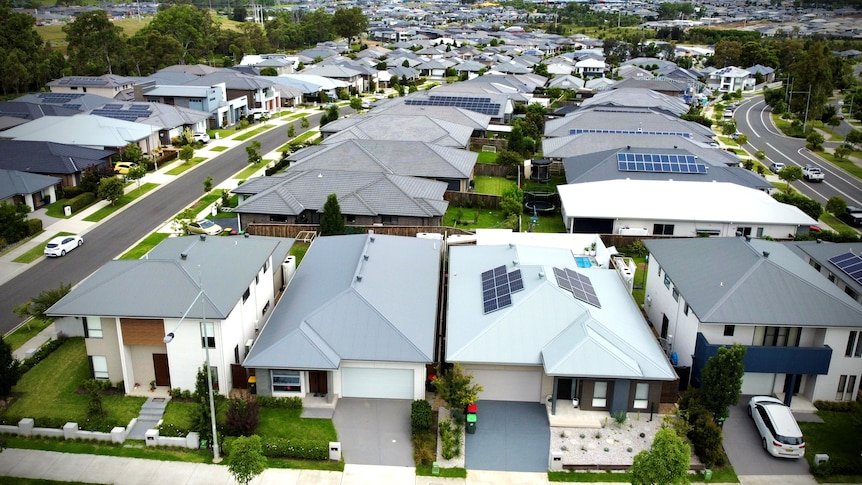
Australia’s Housing Market Slows as Price Growth Hits Year Long Low in April

Australia’s Housing Market Slows as Price Growth Hits Year Long Low in April

▫️Interest rate hikes, inflation, and economic uncertainty weigh on major cities, with Sydney and Melbourne recording monthly declines

Sydney | ReNews International Desk News Australia’s housing market showed clear signs of slowing in April, with national home prices rising by just 0.3 per cent, the weakest monthly growth recorded since January 2025. The latest data ...

Sydney | ReNews International Desk News
Australia’s housing market showed clear signs of slowing in April, with national home prices rising by just 0.3 per cent, the weakest monthly growth recorded since January 2025. The latest data highlights a shift in momentum, particularly across the country’s largest property markets.
According to housing data provider Cotality, the slowdown was largely driven by declines in Sydney and Melbourne, where house prices fell by 0.6 per cent during the month. A similar trend was reported by PropTrack, which noted a 0.1 per cent drop in national home prices, with Sydney and Melbourne recording declines of 0.5 per cent and 0.3 per cent, respectively.
Analysts say the cooling trend reflects the cumulative impact of rising interest rates and persistent inflation, which are placing increasing pressure on household budgets. The Reserve Bank of Australia has already raised the official cash rate twice this year to 4.1 per cent, with the possibility of further tightening still on the table.
Economists warn that higher borrowing costs are dampening buyer demand, particularly in Sydney and Melbourne, which are traditionally more sensitive to interest rate movements. Increased housing supply in these cities, including a rise in auction listings, has also given buyers greater choice and bargaining power, contributing to softer price conditions.
Despite the broader slowdown, housing markets across other major cities presented a mixed picture. Perth led growth in April, with prices rising 2.1 per cent and adding over $21,000 to the median dwelling value. Brisbane, Adelaide, and Darwin also recorded gains exceeding one per cent, although at a slower pace compared to previous months.
Meanwhile, regional housing markets have remained comparatively strong. Over the first four months of the year, regional prices increased by 4.2 per cent, significantly outpacing the 1.8 per cent growth recorded across combined capital cities. Lower property values and sustained demand have helped support regional resilience.
However, broader economic factors continue to cast uncertainty over the housing outlook. Consumer confidence remains subdued, with recent data indicating levels well below long-term averages. Rising fuel costs and global geopolitical tensions, including conflict in the Middle East, are further straining household finances and weighing on sentiment.
Economists note that these pressures are likely to keep the property market subdued in the near term. Still, structural constraints, particularly limited new housing supply, are expected to prevent any sharp or sustained declines in prices nationwide.
Overall, while Australia’s housing market is not in decline, the latest figures suggest it is entering a period of slower, more uneven growth amid tightening financial conditions and ongoing economic uncertainty.
Hong Kong Developer Plans Redevelopment of 64 Year Old Building into 200 Residential Flats

Hong Kong Developer Plans Redevelopment of 64 Year Old Building into 200 Residential Flats

▫️ Four urban redevelopment projects could deliver around 640 flats as developer accelerates residential construction and debt reduction

Hong Kong based New World Development has applied to the Lands Tribunal for the compulsory sale of a 64 year old residential building in To Kwa Wan to facilitate a new commercial and residential development.

UK Property Market Sees Uneven Growth as Northern Ireland and Scotland Outperform England and Wales

UK Property Market Sees Uneven Growth as Northern Ireland and Scotland Outperform England and Wales

▫️ Northern Ireland records 6.9% annual house price growth, while Scotland's average property value reaches £198,000

The United Kingdom's housing market continues to experience significant regional differences, with Northern Ireland and Scotland recording stronger annual property price growth than England and Wales.

Qatar Property Sales Drop 39% in One Week as Real Estate Transactions Reach QR537 Million

Qatar Property Sales Drop 39% in One Week as Real Estate Transactions Reach QR537 Million

▫️ Real estate market records 105 sales transactions during November 15 to 21, with apartment buildings attracting the highest investment

Qatar's real estate market recorded a sharp weekly decline, with property sales falling by 39% from November 15 to 21, 2026, according to the Real Estate Regulatory Authority (Aqarat).

Australia’s Housing Market Slows as Price Growth Hits Year Long Low in April

Australia’s Housing Market Slows as Price Growth Hits Year Long Low in April

▫️Interest rate hikes, inflation, and economic uncertainty weigh on major cities, with Sydney and Melbourne recording monthly declines

Sydney | ReNews International Desk News Australia’s housing market showed clear signs of slowing in April, with national home prices rising by just 0.3 per cent, the weakest monthly growth recorded since January 2025. The latest data ...


Sydney | ReNews International Desk News
Australia’s housing market showed clear signs of slowing in April, with national home prices rising by just 0.3 per cent, the weakest monthly growth recorded since January 2025. The latest data highlights a shift in momentum, particularly across the country’s largest property markets.
According to housing data provider Cotality, the slowdown was largely driven by declines in Sydney and Melbourne, where house prices fell by 0.6 per cent during the month. A similar trend was reported by PropTrack, which noted a 0.1 per cent drop in national home prices, with Sydney and Melbourne recording declines of 0.5 per cent and 0.3 per cent, respectively.
Analysts say the cooling trend reflects the cumulative impact of rising interest rates and persistent inflation, which are placing increasing pressure on household budgets. The Reserve Bank of Australia has already raised the official cash rate twice this year to 4.1 per cent, with the possibility of further tightening still on the table.
Economists warn that higher borrowing costs are dampening buyer demand, particularly in Sydney and Melbourne, which are traditionally more sensitive to interest rate movements. Increased housing supply in these cities, including a rise in auction listings, has also given buyers greater choice and bargaining power, contributing to softer price conditions.
Despite the broader slowdown, housing markets across other major cities presented a mixed picture. Perth led growth in April, with prices rising 2.1 per cent and adding over $21,000 to the median dwelling value. Brisbane, Adelaide, and Darwin also recorded gains exceeding one per cent, although at a slower pace compared to previous months.
Meanwhile, regional housing markets have remained comparatively strong. Over the first four months of the year, regional prices increased by 4.2 per cent, significantly outpacing the 1.8 per cent growth recorded across combined capital cities. Lower property values and sustained demand have helped support regional resilience.
However, broader economic factors continue to cast uncertainty over the housing outlook. Consumer confidence remains subdued, with recent data indicating levels well below long-term averages. Rising fuel costs and global geopolitical tensions, including conflict in the Middle East, are further straining household finances and weighing on sentiment.
Economists note that these pressures are likely to keep the property market subdued in the near term. Still, structural constraints, particularly limited new housing supply, are expected to prevent any sharp or sustained declines in prices nationwide.
Overall, while Australia’s housing market is not in decline, the latest figures suggest it is entering a period of slower, more uneven growth amid tightening financial conditions and ongoing economic uncertainty.
Hong Kong Developer Plans Redevelopment of 64 Year Old Building into 200 Residential Flats

Hong Kong Developer Plans Redevelopment of 64 Year Old Building into 200 Residential Flats

▫️ Four urban redevelopment projects could deliver around 640 flats as developer accelerates residential construction and debt reduction

Hong Kong based New World Development has applied to the Lands Tribunal for the compulsory sale of a 64 year old residential building in To Kwa Wan to facilitate a new commercial and residential development.

UK Property Market Sees Uneven Growth as Northern Ireland and Scotland Outperform England and Wales

UK Property Market Sees Uneven Growth as Northern Ireland and Scotland Outperform England and Wales

▫️ Northern Ireland records 6.9% annual house price growth, while Scotland's average property value reaches £198,000

The United Kingdom's housing market continues to experience significant regional differences, with Northern Ireland and Scotland recording stronger annual property price growth than England and Wales.

Qatar Property Sales Drop 39% in One Week as Real Estate Transactions Reach QR537 Million

Qatar Property Sales Drop 39% in One Week as Real Estate Transactions Reach QR537 Million

▫️ Real estate market records 105 sales transactions during November 15 to 21, with apartment buildings attracting the highest investment

Qatar's real estate market recorded a sharp weekly decline, with property sales falling by 39% from November 15 to 21, 2026, according to the Real Estate Regulatory Authority (Aqarat).

More Real Estate News

National Real Estate News

See All →

City and District Real Estate News

See All →

Corporate Real Estate News

See All →

Social Real Estate News

See All →

Real Estate Insights

See All →

Arazi Nama

See All →




















