New Delhi | ReNews International Desk News
India’s Ministry of Housing and Urban Affairs has recommended an extension of four months for eligible real estate projects affected by construction material shortages and global supply chain disruptions linked to the continuing tensions in West Asia.
The ministry has advised Real Estate Regulatory Authorities in all states and union territories to consider extending the registration and corresponding completion timelines of affected registered projects.
The proposed relief will apply to projects whose original completion date, revised completion date or previously extended completion date falls on or after February 28, 2026.
According to the ministry, representations received from the real estate industry indicated that the situation in West Asia had disrupted international supply chains, reduced the availability of important construction materials and affected the timely execution of housing and commercial developments.
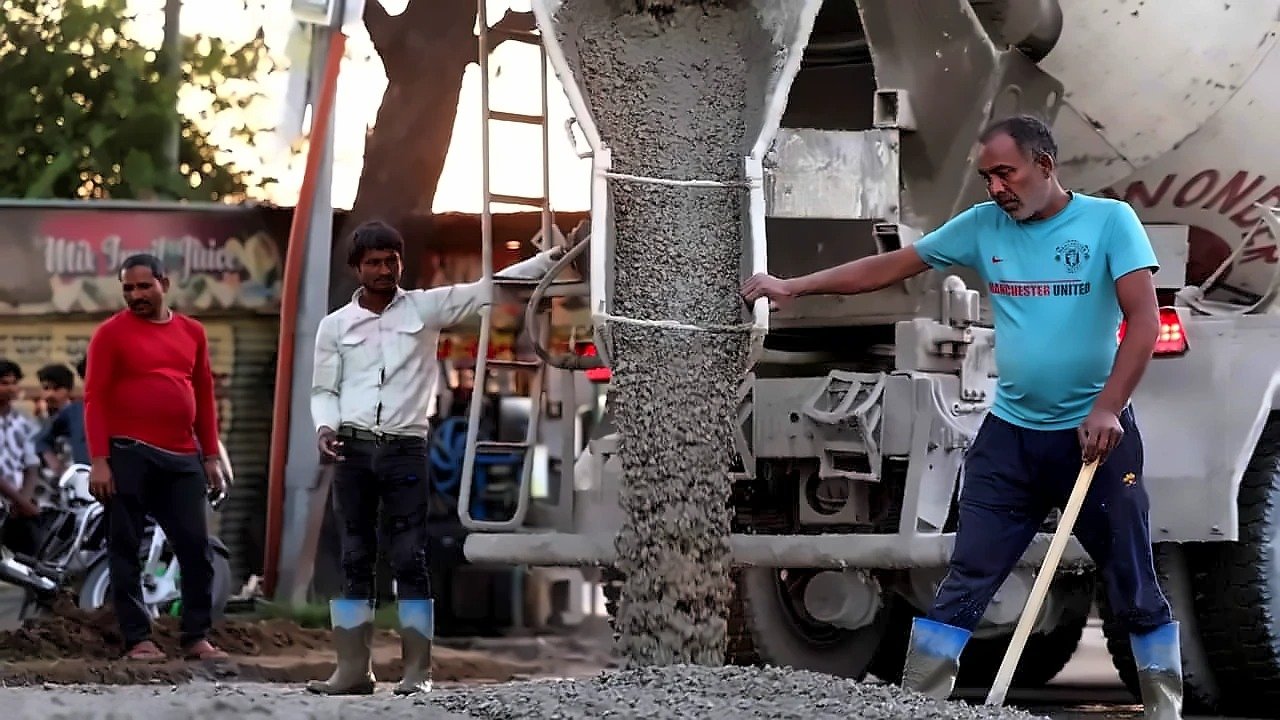
Developers have reported difficulties in obtaining imported machinery, electrical equipment, aluminium products, pipes, plastics and other materials connected to crude oil and international manufacturing supply chains. Delayed shipments and higher costs have created particular challenges for projects approaching their scheduled completion dates.
The Department of Expenditure under India’s Ministry of Finance issued an office memorandum on April 29, 2026, treating the continuing West Asia situation as war for the purpose of invoking force majeure provisions in government contracts.
Force majeure refers to exceptional circumstances beyond the control of the parties to a contract that prevent normal obligations from being completed within the agreed period.
The housing ministry referred to Section 6 of the Real Estate Regulation and Development Act 2016, which allows the registration of a real estate project to be extended when war or another force majeure event affects its normal development.
It also cited Section 7 subsection 3 of the law. This provision allows a regulatory authority to keep a project registration in force under appropriate terms and conditions instead of revoking it, provided that the decision is considered to be in the interests of the buyers or allottees.
To reduce administrative delays, the ministry suggested that state RERA authorities could issue a common order covering all eligible developments. This would remove the need for every developer to submit an individual application and for regulators to issue separate orders for each project.
Indian real estate industry organisations welcomed the recommendation. The National Real Estate Development Council said the availability and cost of construction materials had been seriously affected by geopolitical disruption, producing delays that were beyond the control of some developers.
Industry representatives argued that an extension would allow affected builders to revise construction schedules, complete projects in an orderly manner and reduce avoidable disputes and litigation with buyers.
They also maintained that realistic completion schedules could ultimately protect homebuyers by improving the likelihood that delayed developments would be completed rather than facing regulatory cancellation or prolonged legal proceedings.
Homebuyer representatives, however, have warned against granting automatic or blanket extensions without examining the record of each project.
They argue that developers whose projects were already delayed for several years before the latest West Asia disruption should not be allowed to use the current crisis as an excuse for earlier failures.
Homebuyers’ rights activist Abhay Upadhyay questioned the legal basis on which the central ministry could recommend a general extension to all state RERA authorities. He also argued that government relief is often extended to builders facing delays of several months while buyers in long delayed developments continue waiting for possession for years.
Buyer groups are demanding that developers seeking the relief should be required to provide clear evidence showing how shortages, delayed imports or other supply chain problems directly affected construction at their projects.
They also want regulators to examine whether builders maintained reasonable construction progress before the disruption, used money collected from buyers for the registered project and complied with earlier completion commitments.
Urban and property sector specialists say state regulators will need to distinguish between genuine delays caused by international disruption and longstanding defaults caused by financial mismanagement, weak construction activity or other problems unrelated to West Asia.
They warn that a general extension without adequate checks could protect developers who were already failing to meet their obligations and could further delay possession for thousands of homebuyers.
The ministry’s recommendation is intended to provide temporary relief to projects facing circumstances beyond their control. However, responsibility for issuing extension orders and setting conditions will remain with individual state RERA authorities.
The effectiveness of the measure will therefore depend on whether regulators can provide relief to genuinely affected projects while preventing defaulting developers from misusing the extension at the expense of homebuyers.
Published: August 1, 2026 - 3:50 PM
Construction Material Shortages Prompt India to Recommend Four Month Extension for Affected Real Estate Projects
مغربی ایشیا کی کشیدگی سے تعمیراتی سامان کی قلت، بھارت میں رئیل اسٹیٹ منصوبوں کو چار ماہ اضافی مہلت کی سفارش
▫️Housing ministry advises state RERA authorities to extend registration and completion timelines for eligible developments as homebuyers warn that builders facing longstanding delays should not receive automatic relief
New Delhi | ReNews International Desk NewsIndia’s Ministry of Housing and Urban Affairs has recommended an extension of four months for eligible real estate projects affected by construction material shortages and global supply chain dis...