ReNews Pakistan
← Back to home

Global Real Estate News

3 news articles

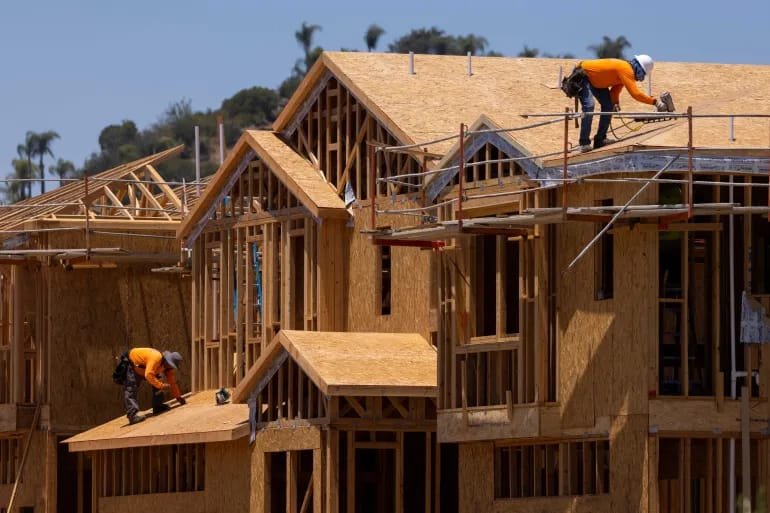
Economic Uncertainty Pushes U.S. Homebuilding Toward Smaller and More Affordable Markets

Economic Uncertainty Pushes U.S. Homebuilding Toward Smaller and More Affordable Markets

▫️Multifamily housing remains resilient, with apartment development rising in large metropolitan cores as more households turn to rental options

Washington D.C | ReNews International Desk News Economic uncertainty, high borrowing costs and persistent affordability challenges are reshaping the U.S. homebuilding market, pushing new residential construction away from major metrop...

Washington D.C | ReNews International Desk News
Economic uncertainty, high borrowing costs and persistent affordability challenges are reshaping the U.S. homebuilding market, pushing new residential construction away from major metropolitan centers and toward smaller, lower-cost communities.
According to the latest data from the National Association of Home Builders’ Home Building Geography Index, single-family housing construction weakened across the United States during the first quarter of 2026. The slowdown reflects continued pressure on both builders and homebuyers as elevated mortgage rates, rising development costs and tighter financing conditions continue to affect demand.
The decline was most visible in the country’s largest urban markets. Large metropolitan core counties recorded a 16 percent year-over-year fall in single-family permitting activity, based on a four-quarter moving average. These densely populated markets continue to face higher land prices, stricter affordability pressures and reduced purchasing power among buyers.
Industry experts say single-family construction is increasingly shifting away from high-density urban areas toward smaller metropolitan regions, suburban outskirts and rural communities where land remains relatively affordable and housing costs are more manageable. NAHB Chairman Bill Owens said single-family construction continues to move away from the highest-density population centers and toward more affordable markets.
The trend has been developing for several years but gained momentum after the pandemic, as many households searched for larger homes, lower costs and more flexible living options outside major cities. Large metro core counties accounted for only 14.7 percent of all single-family permits in the first quarter of 2026, compared with 16 percent a year earlier and nearly 19 percent a decade ago.
Large suburban counties have also gradually lost market share, while smaller metropolitan and rural markets have gained ground. Outlying counties around smaller metro areas posted the strongest long-term improvement, reflecting continued migration toward regions where housing remains more attainable.
Nationally, single-family construction outside rural markets declined 9.2 percent from a year earlier, showing that the slowdown is not limited to one region but is part of a broader housing market adjustment.
Builders say higher material prices, increased financing costs and weaker affordability continue to limit demand, even though many companies are offering incentives, price reductions and concessions to attract buyers. NAHB Chief Economist Robert Dietz said construction and financing costs remain major obstacles, while affordability pressures continue to reduce the number of qualified purchasers.
In contrast, the multifamily housing sector showed stronger performance during the first quarter. Apartment and condominium construction expanded across most major geographic categories, supported by continued demand for rental housing as many households remain priced out of homeownership.
Large metropolitan core counties reported a 20.8 percent year-over-year increase in multifamily construction, marking a strong recovery for urban apartment development. Across all non-rural counties, multifamily construction rose 10.5 percent, highlighting the continued strength of the rental market.
Rural multifamily markets also remained positive, though growth slowed to 1.8 percent after stronger gains in the previous quarter. Large metro core counties continued to dominate the multifamily sector, accounting for more than one-third of all multifamily construction nationwide. Large suburban counties represented 26.9 percent of activity, while small metro core markets captured nearly 24 percent.
The contrasting trends show a widening divide in the U.S. housing market. Single-family construction is slowing, especially in expensive urban centers, while multifamily development remains supported by strong rental demand. Analysts caution, however, that if interest rates, financing constraints and development costs remain elevated, pressure could eventually spread to the apartment sector as well.
Hong Kong Developer Plans Redevelopment of 64 Year Old Building into 200 Residential Flats

Hong Kong Developer Plans Redevelopment of 64 Year Old Building into 200 Residential Flats

▫️ Four urban redevelopment projects could deliver around 640 flats as developer accelerates residential construction and debt reduction

Hong Kong based New World Development has applied to the Lands Tribunal for the compulsory sale of a 64 year old residential building in To Kwa Wan to facilitate a new commercial and residential development.

UK Property Market Sees Uneven Growth as Northern Ireland and Scotland Outperform England and Wales

UK Property Market Sees Uneven Growth as Northern Ireland and Scotland Outperform England and Wales

▫️ Northern Ireland records 6.9% annual house price growth, while Scotland's average property value reaches £198,000

The United Kingdom's housing market continues to experience significant regional differences, with Northern Ireland and Scotland recording stronger annual property price growth than England and Wales.

Qatar Property Sales Drop 39% in One Week as Real Estate Transactions Reach QR537 Million

Qatar Property Sales Drop 39% in One Week as Real Estate Transactions Reach QR537 Million

▫️ Real estate market records 105 sales transactions during November 15 to 21, with apartment buildings attracting the highest investment

Qatar's real estate market recorded a sharp weekly decline, with property sales falling by 39% from November 15 to 21, 2026, according to the Real Estate Regulatory Authority (Aqarat).

Economic Uncertainty Pushes U.S. Homebuilding Toward Smaller and More Affordable Markets

Economic Uncertainty Pushes U.S. Homebuilding Toward Smaller and More Affordable Markets

▫️Multifamily housing remains resilient, with apartment development rising in large metropolitan cores as more households turn to rental options

Washington D.C | ReNews International Desk News Economic uncertainty, high borrowing costs and persistent affordability challenges are reshaping the U.S. homebuilding market, pushing new residential construction away from major metrop...


Washington D.C | ReNews International Desk News
Economic uncertainty, high borrowing costs and persistent affordability challenges are reshaping the U.S. homebuilding market, pushing new residential construction away from major metropolitan centers and toward smaller, lower-cost communities.
According to the latest data from the National Association of Home Builders’ Home Building Geography Index, single-family housing construction weakened across the United States during the first quarter of 2026. The slowdown reflects continued pressure on both builders and homebuyers as elevated mortgage rates, rising development costs and tighter financing conditions continue to affect demand.
The decline was most visible in the country’s largest urban markets. Large metropolitan core counties recorded a 16 percent year-over-year fall in single-family permitting activity, based on a four-quarter moving average. These densely populated markets continue to face higher land prices, stricter affordability pressures and reduced purchasing power among buyers.
Industry experts say single-family construction is increasingly shifting away from high-density urban areas toward smaller metropolitan regions, suburban outskirts and rural communities where land remains relatively affordable and housing costs are more manageable. NAHB Chairman Bill Owens said single-family construction continues to move away from the highest-density population centers and toward more affordable markets.
The trend has been developing for several years but gained momentum after the pandemic, as many households searched for larger homes, lower costs and more flexible living options outside major cities. Large metro core counties accounted for only 14.7 percent of all single-family permits in the first quarter of 2026, compared with 16 percent a year earlier and nearly 19 percent a decade ago.
Large suburban counties have also gradually lost market share, while smaller metropolitan and rural markets have gained ground. Outlying counties around smaller metro areas posted the strongest long-term improvement, reflecting continued migration toward regions where housing remains more attainable.
Nationally, single-family construction outside rural markets declined 9.2 percent from a year earlier, showing that the slowdown is not limited to one region but is part of a broader housing market adjustment.
Builders say higher material prices, increased financing costs and weaker affordability continue to limit demand, even though many companies are offering incentives, price reductions and concessions to attract buyers. NAHB Chief Economist Robert Dietz said construction and financing costs remain major obstacles, while affordability pressures continue to reduce the number of qualified purchasers.
In contrast, the multifamily housing sector showed stronger performance during the first quarter. Apartment and condominium construction expanded across most major geographic categories, supported by continued demand for rental housing as many households remain priced out of homeownership.
Large metropolitan core counties reported a 20.8 percent year-over-year increase in multifamily construction, marking a strong recovery for urban apartment development. Across all non-rural counties, multifamily construction rose 10.5 percent, highlighting the continued strength of the rental market.
Rural multifamily markets also remained positive, though growth slowed to 1.8 percent after stronger gains in the previous quarter. Large metro core counties continued to dominate the multifamily sector, accounting for more than one-third of all multifamily construction nationwide. Large suburban counties represented 26.9 percent of activity, while small metro core markets captured nearly 24 percent.
The contrasting trends show a widening divide in the U.S. housing market. Single-family construction is slowing, especially in expensive urban centers, while multifamily development remains supported by strong rental demand. Analysts caution, however, that if interest rates, financing constraints and development costs remain elevated, pressure could eventually spread to the apartment sector as well.
Hong Kong Developer Plans Redevelopment of 64 Year Old Building into 200 Residential Flats

Hong Kong Developer Plans Redevelopment of 64 Year Old Building into 200 Residential Flats

▫️ Four urban redevelopment projects could deliver around 640 flats as developer accelerates residential construction and debt reduction

Hong Kong based New World Development has applied to the Lands Tribunal for the compulsory sale of a 64 year old residential building in To Kwa Wan to facilitate a new commercial and residential development.

UK Property Market Sees Uneven Growth as Northern Ireland and Scotland Outperform England and Wales

UK Property Market Sees Uneven Growth as Northern Ireland and Scotland Outperform England and Wales

▫️ Northern Ireland records 6.9% annual house price growth, while Scotland's average property value reaches £198,000

The United Kingdom's housing market continues to experience significant regional differences, with Northern Ireland and Scotland recording stronger annual property price growth than England and Wales.

Qatar Property Sales Drop 39% in One Week as Real Estate Transactions Reach QR537 Million

Qatar Property Sales Drop 39% in One Week as Real Estate Transactions Reach QR537 Million

▫️ Real estate market records 105 sales transactions during November 15 to 21, with apartment buildings attracting the highest investment

Qatar's real estate market recorded a sharp weekly decline, with property sales falling by 39% from November 15 to 21, 2026, according to the Real Estate Regulatory Authority (Aqarat).

More Real Estate News

National Real Estate News

See All →

City and District Real Estate News

See All →

Corporate Real Estate News

See All →

Social Real Estate News

See All →

Real Estate Insights

See All →

Arazi Nama

See All →