Published: March 12, 2026 - 11:05 AM
Middle East conflict disrupts global shipping routes and energy connectivity
مشرقِ وسطیٰ کی کشیدگی سے عالمی بحری راستوں اور توانائی کی ترسیل متاثر ہونے کا خدشہ
▫️ Strait of Hormuz tensions threaten global oil supply chains. ▫️ Maritime incidents raise concerns over regional trade and transport routes.
Dubai | ReNews Pakistan Escalating hostilities between the United States, Israel, and Iran have begun to disrupt key maritime and energy connectivity routes across the Middle East, particularly through the strategically vital Strait ...
Dubai | ReNews Pakistan
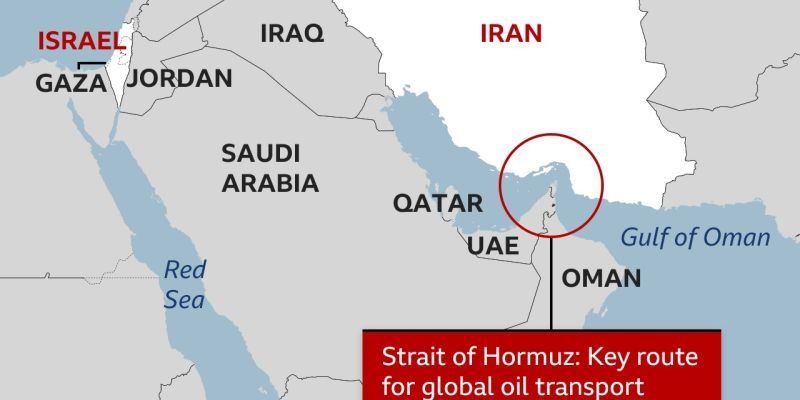
Escalating hostilities between the United States, Israel, and Iran have begun to disrupt key maritime and energy connectivity routes across the Middle East, particularly through the strategically vital Strait of Hormuz.
The conflict, which entered its 12th day on Wednesday, has triggered heavy air strikes across several parts of the region, including Israel, Lebanon, and Gulf waters. The intensifying hostilities have raised serious concerns about the safety of international shipping lanes and the continuity of global energy supply chains.
The Strait of Hormuz, a critical maritime corridor linking Gulf oil producers with global markets, carries nearly one-fifth of the world’s fossil fuel shipments. Ongoing tensions and military activity in the area have effectively slowed maritime movement, posing risks to international trade connectivity and energy transportation.
According to maritime security officials, a cargo vessel was struck by an unidentified projectile in the Strait of Hormuz, causing a fire on board and forcing the crew to evacuate. In a separate incident near the coast of the United Arab Emirates, another container vessel reported damage after being hit by a suspected projectile.
The escalating situation has also led to security concerns for commercial shipping lines operating between the Gulf, Europe, and Asia. Industry analysts warn that prolonged disruption in the Strait of Hormuz could significantly affect global logistics networks, oil transport routes, and maritime connectivity.
Iran’s Islamic Revolutionary Guard Corps has threatened to block oil shipments from the Gulf unless U.S. and Israeli strikes stop, raising fears of further interruptions in energy flows through the strategic waterway.
Meanwhile, financial markets reacted sharply to the crisis earlier in the week, with crude oil prices surging due to fears of supply disruptions. However, prices later eased as investors speculated that the administration of Donald Trump might seek diplomatic measures to de-escalate the conflict.
Energy analysts note that any prolonged instability in the Strait of Hormuz could impact global energy connectivity, increase shipping costs, and disrupt trade routes linking the Middle East with major economies across Asia, Europe, and North America.