Published: January 21, 2026 - 10:23 AM
Phase Two of Trump’s Gaza Plan: Land, Property, and Reconstruction Focus
ٹرمپ کے غزہ امن منصوبے کا دوسرا مرحلہ: زمین، جائیداد اور تعمیر نو پر توجہ
▫️ Demilitarization, rebuilding public infrastructure, and restoring property governance in Gaza ▫️ International oversight and investment conditions aim to ensure transparency and sustainable land use
Washington D.C. | ReNews International Desk Phase Two of President Donald J. Trump’s Comprehensive Plan to End the Gaza Conflict has shifted from immediate ceasefire enforcement to long-term stabilization and reconstruction, with a st...
Washington D.C. | ReNews International Desk
Phase Two of President Donald J. Trump’s Comprehensive Plan to End the Gaza Conflict has shifted from immediate ceasefire enforcement to long-term stabilization and reconstruction, with a strong focus on land, property, and real estate management. The plan seeks to rebuild Gaza’s infrastructure, restore governance over public and private property, and establish transparent systems for land use under a transitional administrative authority.
The National Committee for the Administration of Gaza (NCAG) serves as the central body managing land and property issues, alongside public services and urban planning. Led by Dr. Ali Sha’ath, NCAG is tasked with restoring administrative control over public lands, rebuilding civil institutions, and stabilizing urban areas affected by conflict. The committee is also responsible for overseeing reconstruction of residential and commercial areas destroyed during the conflict, ensuring that property restoration complies with new regulatory standards and zoning regulations.
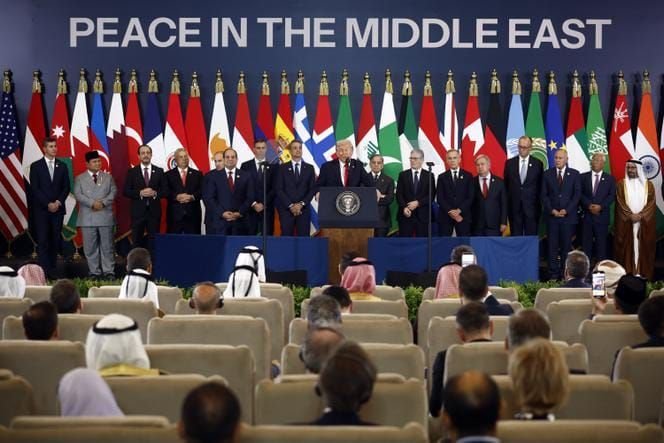
Oversight is provided by the Board of Peace, chaired by President Trump. This body coordinates international contributions, monitors the rebuilding of infrastructure, and ensures that property and land use reforms are implemented transparently. Executive members manage portfolios including large-scale investment, land development, infrastructure funding, and urban planning.
Their role is crucial in establishing governance mechanisms for land allocation, ownership verification, and reconstruction projects.
The Gaza Executive Board works closely with the NCAG and the newly appointed High Representative for Gaza, Nickolay Mladenov. This board oversees operational management of real estate projects, coordinates urban redevelopment, and monitors compliance with building codes and land-use regulations.
Reconstruction efforts prioritize both residential and commercial properties, with attention to restoring functionality while preventing informal or unauthorized occupation of land.
For security and stability, the International Stabilization Force (ISF) ensures safe reconstruction operations and protects property from damage during demilitarization and ongoing redevelopment. Special programs include clearance of unexploded ordnance and reconstruction of damaged commercial zones, ensuring safe land and property use for civilians.
International Participation and Investment Conditions
Over 60 countries have been invited to contribute to Phase Two, including the UAE, Saudi Arabia, Egypt, Jordan, Qatar, and Turkey. Participation is conditional on adherence to land governance standards, including:
Transparency in resource allocation and property management
Restoration of public lands under legal and administrative supervision
Compliance with zoning and urban planning guidelines
Prioritization of civilian housing and commercial redevelopment over military or informal use
The plan also emphasizes verification of property titles, equitable compensation for displaced families, and prevention of illegal construction or informal settlements. Investment projects, including reconstruction of commercial buildings, residential complexes, and public facilities, must be approved by NCAG and coordinated through the Board of Peace.
Land and Real Estate Challenges
Hamas non-compliance and tensions with Israel present risks to effective land administration. Incomplete cooperation on de-militarization and remaining territorial disputes may delay property surveys, title verification, and reconstruction permits. Urban planning initiatives aim to rebuild densely populated areas, including restoration of essential services, while ensuring that future land and property use is regulated and sustainable.
The plan also introduces mechanisms for long-term governance over land and real estate, combining international funding with local administration. These include:
Mapping and registration of public and private properties
Monitoring and auditing of reconstruction contracts
Restoration of commercial districts and key public infrastructure
Prevention of unregulated construction and encroachment
Phase Two of Trump’s plan represents a focused effort to reestablish formal governance over Gaza’s land and property, combining international oversight, investment, and regulatory compliance. The success of these initiatives depends on cooperation from Hamas, coordination with Israel, and sustained international support. If implemented effectively, the plan aims to transform Gaza into a stable, reconstructed territory with organized urban planning, transparent land management, and a foundation for long-term economic and social development.