Moscow | ReNews International Desk news
The Ukraine war has affected Russian property through sanctions, inflation, high interest rates and weaker international confidence. Russia’s central bank has kept borrowing costs high compared with pre war conditions, which makes mortgages expensive and slows demand from ordinary homebuyers. Recent reporting also notes that Russia’s key rate remains elevated after falling from a 2025 peak, with war spending and fuel disruptions still creating inflation risks.
Foreign investment in Russian real estate has also become limited because of sanctions and reputational risk. Many international companies, brands and investors reduced exposure after 2022, which affected commercial property, retail space and office demand in some segments.
The market has become more domestic. Wealthier Russians may still buy property in Moscow and other major cities as a way to protect savings, but smaller cities and lower-income buyers are more exposed to high mortgage costs and weaker purchasing power.
Construction has also been affected. Sanctions and supply-chain restrictions increased pressure on imported equipment, materials, financing and technology, making some projects slower or more expensive.
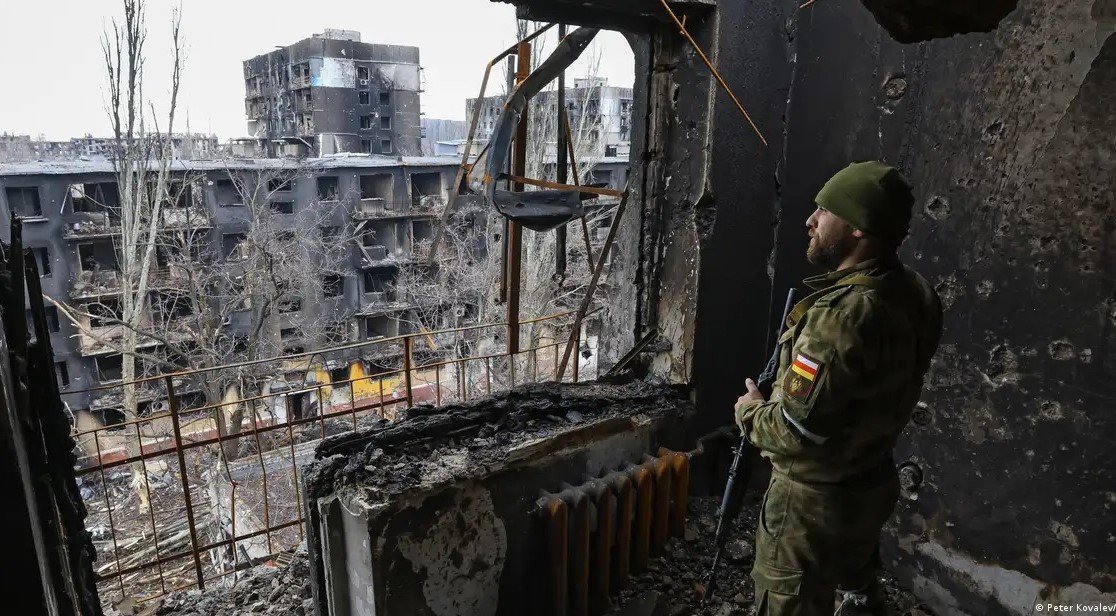
The war has created a separate legal and ethical risk around properties in occupied Ukrainian territories. Reports say Russia has moved to classify some displaced owners’ homes as “ownerless” in occupied areas, creating serious ownership and title-risk issues.
In Crimea and conflict-linked regions, security risk has increased. Ukrainian strikes on infrastructure have disrupted fuel supply and tourism activity, which can directly hurt hotel, resort and residential investment demand.
Published: June 27, 2026 - 5:05 PM
Ukraine War Keeps Russian Property Market Under Pressure
یوکرین جنگ کے بعد روسی پراپرٹی مارکیٹ دباؤ کا شکار
▫️High mortgage rates, construction costs and legal risks have made Russia’s property market more dependent on domestic buyers and state-backed housing support
Moscow | ReNews International Desk newsThe Ukraine war has affected Russian property through sanctions, inflation, high interest rates and weaker international confidence.