ReNews Pakistan
← Back to home

Global Real Estate News

1 news article

UN Reviews Plan to Use War Debris for Artificial Islands in Gaza Reconstruction

UN Reviews Plan to Use War Debris for Artificial Islands in Gaza Reconstruction

▫️Feasibility study underway as war leaves Gaza covered with nearly 57 million tonnes of rubble and destroys around three quarters of its built environment

New York | ReNews International Desk News The United Nations is examining whether Gaza’s war debris can be recycled and used to reclaim coastal land or build artificial islands as part of the enclave’s long term reconstruction plan.

New York | ReNews International Desk News
The United Nations is examining whether Gaza’s war debris can be recycled and used to reclaim coastal land or build artificial islands as part of the enclave’s long term reconstruction plan.
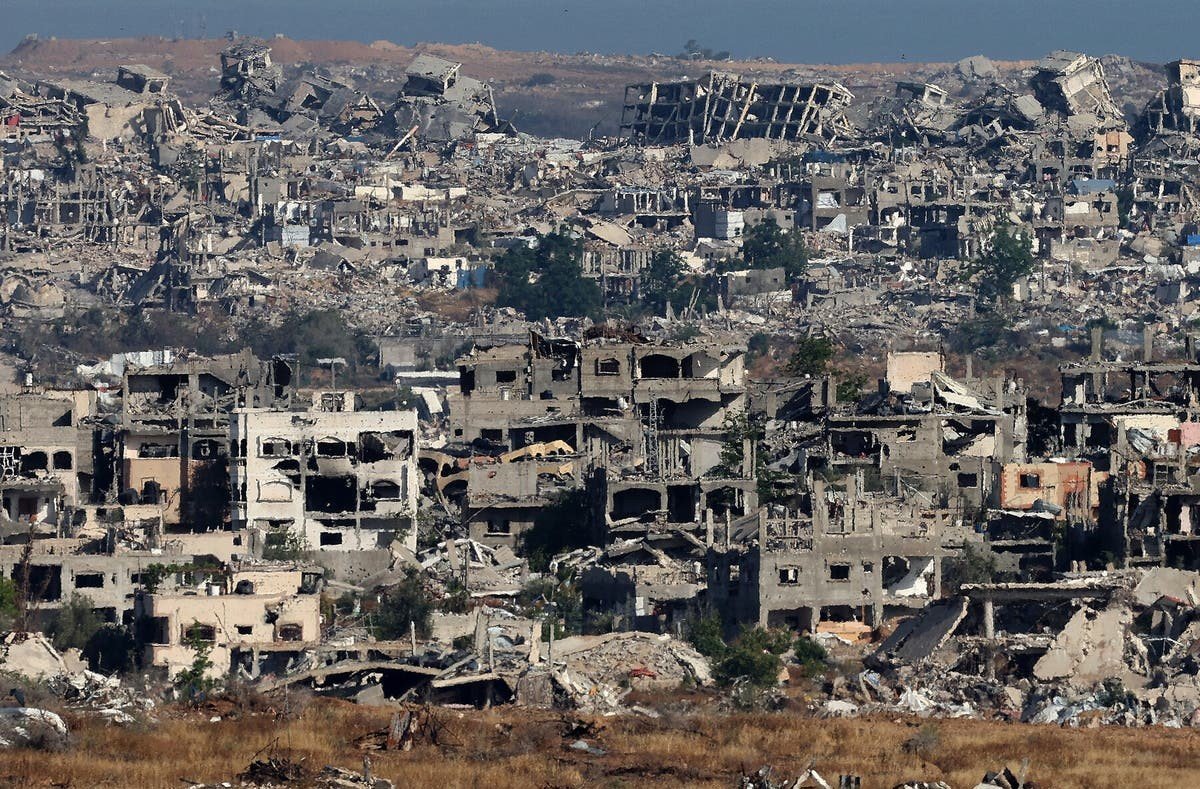
According to the UN, Gaza is now covered with nearly 57 million tonnes of rubble after more than two years of Israeli war. Around three quarters of the built environment has been destroyed, leaving reconstruction planners with the difficult task of managing an enormous volume of shattered concrete, steel, tiles and other building materials.
One proposal under review is to reuse part of this debris to extend Gaza’s Mediterranean coastline and develop artificial islands offshore. Supporters of the idea say it could help absorb a portion of the rubble while reducing the need for dredging and fresh construction materials.
However, the United Nations Environment Programme has warned that Gaza does not have enough usable rubble for a project of such scale. A reconstruction plan discussed at an extraordinary Arab summit in Cairo proposed restoring about 14 square kilometres of land, which would require nearly 200 million cubic metres of aggregate. UNEP estimates that only around 10 million cubic metres could be sourced from recycled debris.
The agency noted that even if more than half of Gaza’s debris were recycled, it would meet only about 10 percent of the material needed for major land reclamation works.
UNEP said recycled rubble could still be useful for smaller reconstruction purposes, including strengthening breakwaters, supporting coastal defences, raising low lying land and backfilling selected areas. Larger concrete blocks could be used as seabed foundations, while finer processed materials could help reshape parts of the coastline.
The biggest concern remains the nature of the debris. Gaza’s rubble contains not only reusable concrete, bricks, metal and tiles, but also asbestos, chemicals, industrial waste, furniture, possible human remains and unexploded ordnance. UN experts say all hazardous and non recyclable material would need to be carefully sorted before any debris is reused.
The UN is also setting up two recycling centres in Gaza to turn rubble into construction material. But progress depends on the entry of heavy earth moving equipment, which remains restricted by Israel on security grounds.
UNEP said any use of debris in the marine environment must meet strict legal and environmental standards, including Palestinian Environment Law No. 7 of 1999, which requires environmental impact assessments for projects that may affect ecosystems.
The agency also pointed to international examples. Beirut used war rubble for coastal reclamation after Lebanon’s civil war, though that experience faced environmental and governance criticism. Japan, after the 2011 earthquake and tsunami, successfully sorted and reused debris for coastal protection and reconstruction under strict technical controls.
UN officials say Gaza’s reconstruction will require similar safeguards, strong oversight and careful planning before any debris based coastal development can move forward.
Dubai Court Orders Property Seller to Pay Dh460,000 Over Failed Dubai Hills Ownership Transfer

Dubai Court Orders Property Seller to Pay Dh460,000 Over Failed Dubai Hills Ownership Transfer

▫️ Buyer awarded full deposit refund and equal compensation, with 5% annual interest payable until settlement

The Dubai Court of First Instance has ordered a property seller to pay Dh460,000 after failing to complete the ownership transfer of a Dubai Hills property valued at Dh700,000.

UN Reviews Plan to Use War Debris for Artificial Islands in Gaza Reconstruction

UN Reviews Plan to Use War Debris for Artificial Islands in Gaza Reconstruction

▫️Feasibility study underway as war leaves Gaza covered with nearly 57 million tonnes of rubble and destroys around three quarters of its built environment

New York | ReNews International Desk News The United Nations is examining whether Gaza’s war debris can be recycled and used to reclaim coastal land or build artificial islands as part of the enclave’s long term reconstruction plan.


New York | ReNews International Desk News
The United Nations is examining whether Gaza’s war debris can be recycled and used to reclaim coastal land or build artificial islands as part of the enclave’s long term reconstruction plan.

According to the UN, Gaza is now covered with nearly 57 million tonnes of rubble after more than two years of Israeli war. Around three quarters of the built environment has been destroyed, leaving reconstruction planners with the difficult task of managing an enormous volume of shattered concrete, steel, tiles and other building materials.
One proposal under review is to reuse part of this debris to extend Gaza’s Mediterranean coastline and develop artificial islands offshore. Supporters of the idea say it could help absorb a portion of the rubble while reducing the need for dredging and fresh construction materials.
However, the United Nations Environment Programme has warned that Gaza does not have enough usable rubble for a project of such scale. A reconstruction plan discussed at an extraordinary Arab summit in Cairo proposed restoring about 14 square kilometres of land, which would require nearly 200 million cubic metres of aggregate. UNEP estimates that only around 10 million cubic metres could be sourced from recycled debris.
The agency noted that even if more than half of Gaza’s debris were recycled, it would meet only about 10 percent of the material needed for major land reclamation works.
UNEP said recycled rubble could still be useful for smaller reconstruction purposes, including strengthening breakwaters, supporting coastal defences, raising low lying land and backfilling selected areas. Larger concrete blocks could be used as seabed foundations, while finer processed materials could help reshape parts of the coastline.
The biggest concern remains the nature of the debris. Gaza’s rubble contains not only reusable concrete, bricks, metal and tiles, but also asbestos, chemicals, industrial waste, furniture, possible human remains and unexploded ordnance. UN experts say all hazardous and non recyclable material would need to be carefully sorted before any debris is reused.
The UN is also setting up two recycling centres in Gaza to turn rubble into construction material. But progress depends on the entry of heavy earth moving equipment, which remains restricted by Israel on security grounds.
UNEP said any use of debris in the marine environment must meet strict legal and environmental standards, including Palestinian Environment Law No. 7 of 1999, which requires environmental impact assessments for projects that may affect ecosystems.
The agency also pointed to international examples. Beirut used war rubble for coastal reclamation after Lebanon’s civil war, though that experience faced environmental and governance criticism. Japan, after the 2011 earthquake and tsunami, successfully sorted and reused debris for coastal protection and reconstruction under strict technical controls.
UN officials say Gaza’s reconstruction will require similar safeguards, strong oversight and careful planning before any debris based coastal development can move forward.
Dubai Court Orders Property Seller to Pay Dh460,000 Over Failed Dubai Hills Ownership Transfer

Dubai Court Orders Property Seller to Pay Dh460,000 Over Failed Dubai Hills Ownership Transfer

▫️ Buyer awarded full deposit refund and equal compensation, with 5% annual interest payable until settlement

The Dubai Court of First Instance has ordered a property seller to pay Dh460,000 after failing to complete the ownership transfer of a Dubai Hills property valued at Dh700,000.

More Real Estate News

National Real Estate News

See All →

City and District Real Estate News

See All →

Corporate Real Estate News

See All →

Social Real Estate News

See All →

Real Estate Insights

See All →

Arazi Nama

See All →