ReNews Pakistan
← Back to home

National Real Estate News

2 news articles

Call to Revise Building Bylaws, Adopt Smart Technologies and Green Designs to Tackle Climate Change

Call to Revise Building Bylaws, Adopt Smart Technologies and Green Designs to Tackle Climate Change

▫️Lack of financial resources and high initial costs remain the biggest hurdles to promoting green buildings, says Constructors Association of Pakistan

Islamabad | ReNews Pakistan Experts have called for a decisive shift from conventional construction practices to modern, environmentally sustainable methods to address the escalating impacts of climate change in Pakistan. The call was...

Islamabad | ReNews Pakistan
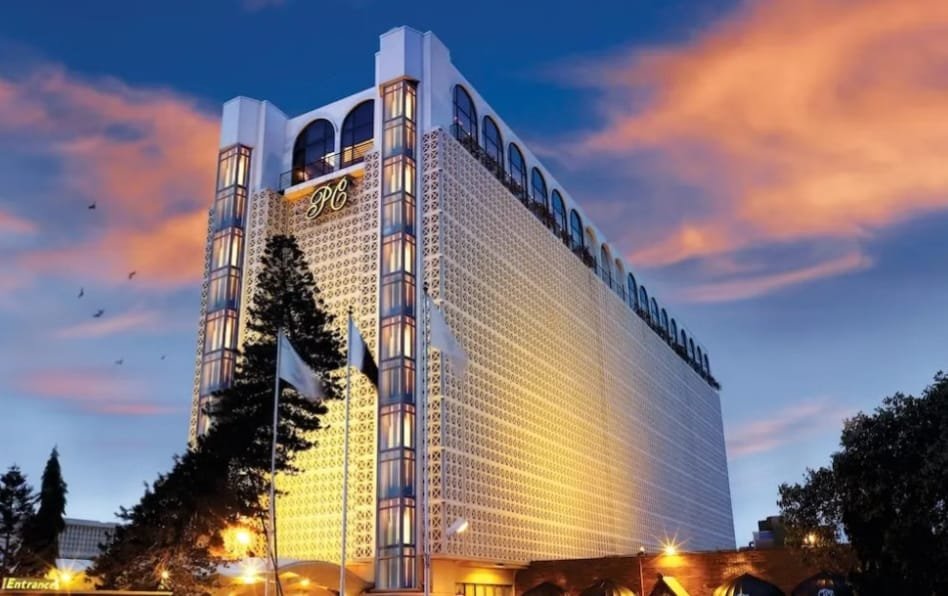
Experts have called for a decisive shift from conventional construction practices to modern, environmentally sustainable methods to address the escalating impacts of climate change in Pakistan. The call was made during a seminar organized by EMPAK Strategies at a local hotel, where industry leaders, policymakers, and environmental specialists gathered to discuss the future of sustainable development.
Speaking at the event, Syed Aftab Gilani, Chief Operating Officer and Airport Manager at Islamabad International Airport, underscored the growing importance of integrating advanced technologies into the construction sector. He noted that artificial intelligence (AI) based building management systems can significantly reduce energy consumption by automatically regulating electricity usage, thereby lowering carbon emissions and minimizing waste.
He further explained that smart design software, which factors in weather patterns, temperature variations, and airflow dynamics, enables the construction of more resilient and environmentally friendly structures. According to Gilani, the adoption of technologies such as the Internet of Things (IoT), sensors, and data analytics allows continuous monitoring of building performance, helping optimize both water and energy use while also improving preparedness for climate-related risks such as urban flooding and extreme heat.
Dr. Muhammad Arshad emphasized the urgent need to incorporate rainwater harvesting systems into urban construction practices. He suggested making such systems mandatory through building bylaws, noting that they can play a crucial role in addressing Pakistan’s growing water crisis. By enabling the collection and storage of rainwater for domestic and commercial use, these systems reduce dependence on groundwater while also helping to prevent urban flooding.
Meanwhile, Arshad Dad, Chief Advisor of the Constructors Association of Pakistan, identified financial constraints as a major barrier to the widespread adoption of green buildings. He pointed out that while environmentally sustainable construction may involve higher upfront costs, it proves to be more economical over time due to reduced expenses related to energy, water, and maintenance.
Citing global examples, he noted that the additional costs of green buildings are typically recovered within a few years. However, in Pakistan, limited access to financing, lack of subsidies, and insufficient policy support continue to hinder progress in this area.
The experts collectively urged the government to introduce tax incentives, green financing mechanisms, and supportive regulatory frameworks to promote sustainable construction practices. They stressed that adopting such measures is essential not only for environmental protection but also for ensuring long term economic resilience in the face of climate change.
World Bank Upgrades Punjab Land Records Digitisation Project Rating to Highly Satisfactory

World Bank Upgrades Punjab Land Records Digitisation Project Rating to Highly Satisfactory

▫️ Punjab exceeds major land reform targets, with 69.92 million land rights registered and digital cadastral maps covering 86% of the province

The World Bank has upgraded the Punjab Urban Land Systems Enhancement Project's development and implementation ratings from Satisfactory to Highly Satisfactory after several key targets were exceeded.

Pakistan Pushes Regional Transport Infrastructure Development to Strengthen Trade Connectivity

Pakistan Pushes Regional Transport Infrastructure Development to Strengthen Trade Connectivity

▫️ Federal Minister Abdul Aleem Khan highlights CPEC road projects, M-6 Motorway financing and cross border railway links at UN ESCAP conference in Bangkok

Federal Minister for Communications Abdul Aleem Khan has called for stronger regional transport infrastructure and alternative trade corridors to improve connectivity between Central Asia, South Asia, China and the Middle East.

Call to Revise Building Bylaws, Adopt Smart Technologies and Green Designs to Tackle Climate Change

Call to Revise Building Bylaws, Adopt Smart Technologies and Green Designs to Tackle Climate Change

▫️Lack of financial resources and high initial costs remain the biggest hurdles to promoting green buildings, says Constructors Association of Pakistan

Islamabad | ReNews Pakistan Experts have called for a decisive shift from conventional construction practices to modern, environmentally sustainable methods to address the escalating impacts of climate change in Pakistan. The call was...
Islamabad | ReNews Pakistan
Experts have called for a decisive shift from conventional construction practices to modern, environmentally sustainable methods to address the escalating impacts of climate change in Pakistan. The call was made during a seminar organized by EMPAK Strategies at a local hotel, where industry leaders, policymakers, and environmental specialists gathered to discuss the future of sustainable development.
Speaking at the event, Syed Aftab Gilani, Chief Operating Officer and Airport Manager at Islamabad International Airport, underscored the growing importance of integrating advanced technologies into the construction sector. He noted that artificial intelligence (AI) based building management systems can significantly reduce energy consumption by automatically regulating electricity usage, thereby lowering carbon emissions and minimizing waste.
He further explained that smart design software, which factors in weather patterns, temperature variations, and airflow dynamics, enables the construction of more resilient and environmentally friendly structures. According to Gilani, the adoption of technologies such as the Internet of Things (IoT), sensors, and data analytics allows continuous monitoring of building performance, helping optimize both water and energy use while also improving preparedness for climate-related risks such as urban flooding and extreme heat.
Dr. Muhammad Arshad emphasized the urgent need to incorporate rainwater harvesting systems into urban construction practices. He suggested making such systems mandatory through building bylaws, noting that they can play a crucial role in addressing Pakistan’s growing water crisis. By enabling the collection and storage of rainwater for domestic and commercial use, these systems reduce dependence on groundwater while also helping to prevent urban flooding.
Meanwhile, Arshad Dad, Chief Advisor of the Constructors Association of Pakistan, identified financial constraints as a major barrier to the widespread adoption of green buildings. He pointed out that while environmentally sustainable construction may involve higher upfront costs, it proves to be more economical over time due to reduced expenses related to energy, water, and maintenance.
Citing global examples, he noted that the additional costs of green buildings are typically recovered within a few years. However, in Pakistan, limited access to financing, lack of subsidies, and insufficient policy support continue to hinder progress in this area.
The experts collectively urged the government to introduce tax incentives, green financing mechanisms, and supportive regulatory frameworks to promote sustainable construction practices. They stressed that adopting such measures is essential not only for environmental protection but also for ensuring long term economic resilience in the face of climate change.
World Bank Upgrades Punjab Land Records Digitisation Project Rating to Highly Satisfactory

World Bank Upgrades Punjab Land Records Digitisation Project Rating to Highly Satisfactory

▫️ Punjab exceeds major land reform targets, with 69.92 million land rights registered and digital cadastral maps covering 86% of the province

The World Bank has upgraded the Punjab Urban Land Systems Enhancement Project's development and implementation ratings from Satisfactory to Highly Satisfactory after several key targets were exceeded.

Pakistan Pushes Regional Transport Infrastructure Development to Strengthen Trade Connectivity

Pakistan Pushes Regional Transport Infrastructure Development to Strengthen Trade Connectivity

▫️ Federal Minister Abdul Aleem Khan highlights CPEC road projects, M-6 Motorway financing and cross border railway links at UN ESCAP conference in Bangkok

Federal Minister for Communications Abdul Aleem Khan has called for stronger regional transport infrastructure and alternative trade corridors to improve connectivity between Central Asia, South Asia, China and the Middle East.

More Real Estate News

City and District Real Estate News

See All →

Global Real Estate News

See All →

Corporate Real Estate News

See All →

Social Real Estate News

See All →

Real Estate Insights

See All →

Arazi Nama

See All →