District Khyber formerly Khyber Agency | ReNews Pakistan
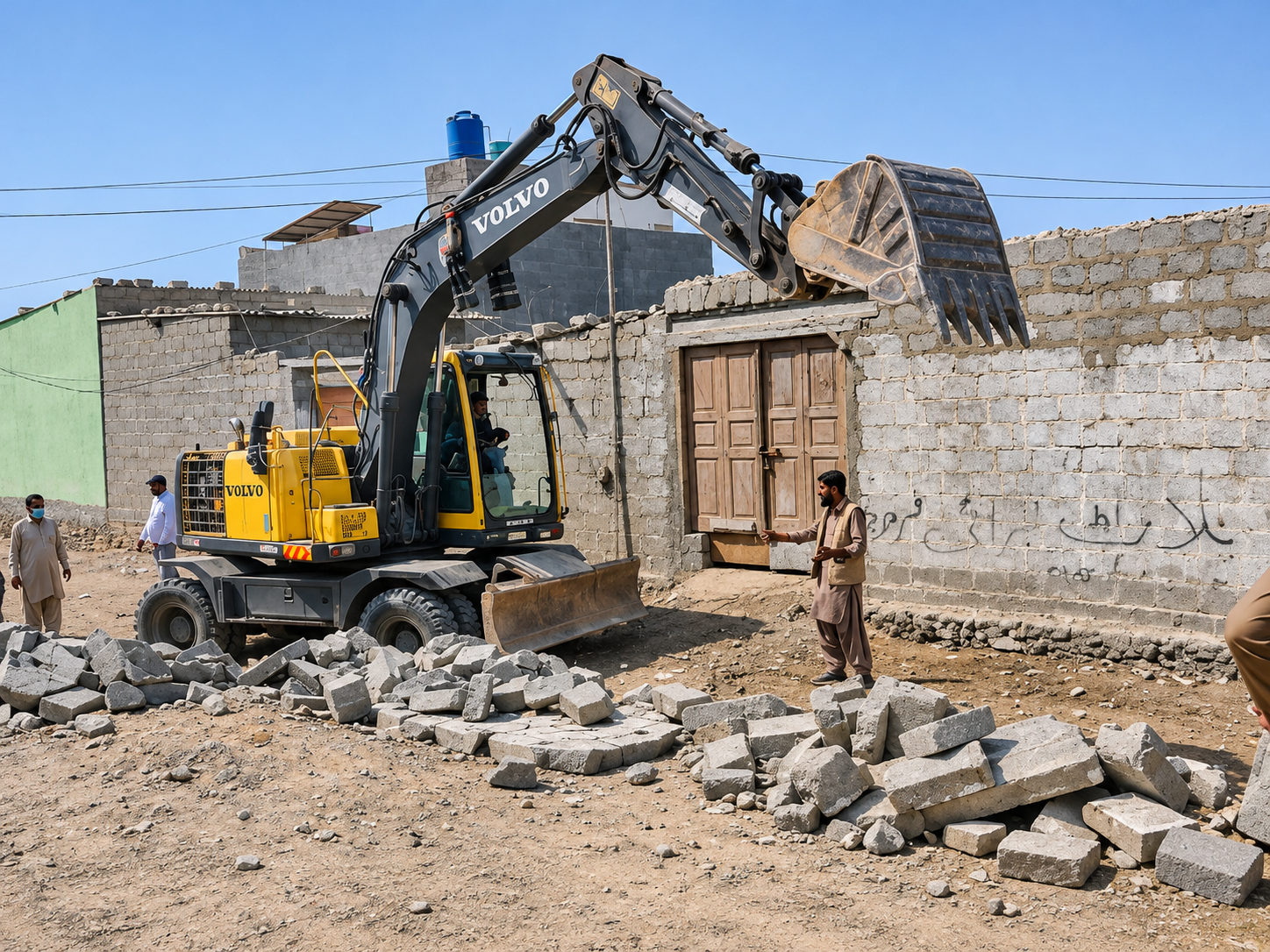
Thousands of families displaced from high risk areas of the Tirah Valley remain in limbo as delays continue in land exchange and relocation to designated residential sites. Several areas have yet to be formally cleared or vacated, forcing families to rely on temporary shelter while awaiting transport arrangements.
Displaced residents say the Tehsildar of Bara, Daud Afridi, is responsible for issuing transport tokens intended to facilitate movement out of the area. However, poor record management and administrative shortcomings have slowed the process, leaving many families without authorised transport.
According to affected families, transport tokens may be issued either collectively or in stages, but procedural obstacles and administrative bottlenecks have turned relocation into a prolonged and uncertain ordeal.
The provincial government has emphasised the need for transparent procedures, accurate documentation, and effective oversight to ensure the relocation process is conducted fairly and efficiently. Despite ongoing official efforts, delays in land clearance and population movement persist, while pressure continues to mount on authorities to accelerate logistical and relief operations.
[[IMG:Images/mid-img-re-news.jpeg]]
The unfolding situation in Tirah reflects a structured but deeply painful forced displacement driven by security considerations. Increased activity by proscribed militant groups, particularly the TTP, in the Tirah Valley of District Khyber prompted security forces to launch a large scale military operation. In late December 2025, a written jirga agreement between tribal elders and the local administration required residents to vacate the area between 10 January and 25 January 2026.
Officials argue that militants exploit densely populated areas and civilian homes as cover, making it necessary to clear the region of civilians to enable decisive action. Within this framework, land exchange and residential relocation were introduced to provide affected tribes with temporary or permanent housing in safer areas, while allowing security forces to establish control over strategically sensitive locations. The administration is also registering land and homes to ensure compensation of up to three million rupees or alternative accommodation for properties damaged during the operation.
Yet the human cost has become increasingly visible. Thousands of families, including women and children, have been left exposed to severe cold and snowfall. The transport token system has been marred by mismanagement, and despite government pledges of cash assistance and monthly stipends, delays in registration have prevented relief from reaching many of those displaced. While the displacement may be designed to meet security objectives, administrative failures have left ordinary citizens facing prolonged hardship and loss of dignity.

Published: January 23, 2026 - 3:28 AM
Delays in relocation leave displaced Tirah families stranded as transport breaks down
تیراہ میں بے گھر خاندانوں کی نقل مکانی میں تاخیر، ٹرانسپورٹ کے انتظامات متاثر
District Khyber formerly Khyber Agency | ReNews Pakistan Thousands of families displaced from high risk areas of the Tirah Valley remain in limbo as delays continue in land exchange and relocation to designated residential sites. Seve...