Published: January 24, 2026 - 9:31 PM
Federal Capital Ends Physical Stamp Papers; E-Stamp System to Transform Property and Land Transactions
وفاقی دارالحکومت میں فزیکل اسٹیمپ پیپر ختم، ای اسٹیمپ سسٹم سے جائیداد اور لین دین کا نیا نظام
▫️ Islamabad Administration Moves to Digitise Stamp Duty, Curb Fraud and Improve Property Record Transparency.
Islamabad | ReNews Pakistan The Islamabad Capital Territory (ICT) administration has announced the complete abolition of all physical stamp papers and the introduction of a fully electronic stamp paper (e-stamp) system, marking a majo...
Islamabad | ReNews Pakistan
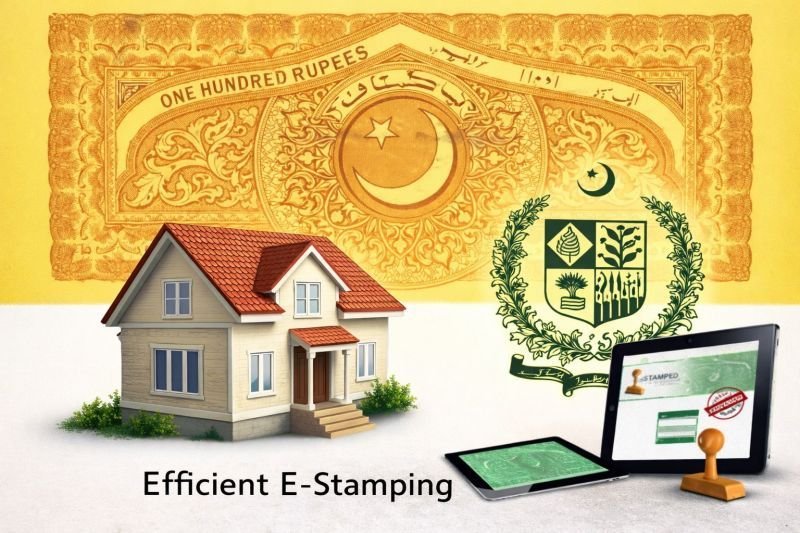
The Islamabad Capital Territory (ICT) administration has announced the complete abolition of all physical stamp papers and the introduction of a fully electronic stamp paper (e-stamp) system, marking a major shift in the way land and property transactions will be documented and processed in the federal capital.
According to an official directive issued by the Deputy Commissioner Islamabad Irfan Nawaz Memon, the issuance of physical stamp papers of all denominations will be discontinued from 26 January 2026. After this date, no manual or paper-based stamp papers will be available for sale or use. However, stamp papers issued before the deadline will remain legally valid and can be used until their expiry.
Under the new system, all transactions requiring stamp duty — including property transfers, sale and purchase agreements, leases, tenancy contracts, affidavits, and mutation documents — will be processed exclusively through the electronic platform. Citizens will obtain digital stamp papers through the authorized online system instead of purchasing physical documents from vendors.
The move is part of a broader effort to modernise land and revenue services in Islamabad and to introduce greater transparency and efficiency in property dealings. The digital platform will create verifiable electronic records, reduce manual paperwork, and speed up the processing of legal documents related to land ownership and transfers.
Authorities noted that the traditional stamp paper system had long been associated with issues such as counterfeit papers, overpricing, illegal resale, and document tampering, which often created complications in property transactions and court proceedings. The e-stamp system is expected to minimize such risks by ensuring that every stamp issued is electronically recorded and traceable.
As part of earlier reforms, the administration had already introduced biometric verification for stamp paper issuance to strengthen authentication. The full transition to e-stamping is intended to further secure documentation and eliminate opportunities for fraud in high-value land and property matters.
In parallel, the ICT administration is also digitalsing land records and revenue data, including scanning and uploading property information to digital platforms. This integration will help improve record accuracy, enhance public access, and simplify verification for buyers, sellers, and legal authorities.
The new system is expected to streamline property transactions, reduce delays, and modernize stamp duty collection, bringing Islamabad’s land documentation framework in line with digital governance practices.