Islamabad | ReNews Pakistan
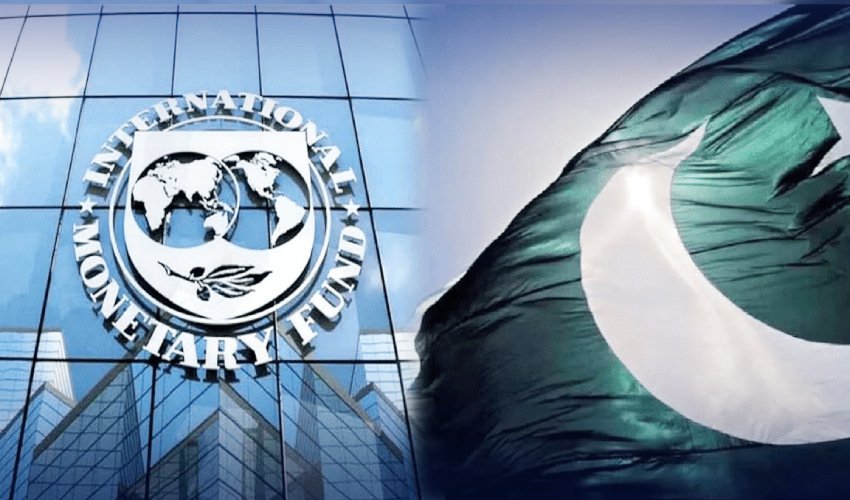
Talks between the Government of Pakistan and the International Monetary Fund over proposed tax relief for the real estate sector remain unresolved, as both sides have yet to reach a final agreement on reductions in taxes applicable to the purchase and sale of immovable properties.
The discussions are taking place as part of the budget finalisation process for fiscal year 2026-27. The government has been seeking relief measures for the property and construction sectors, while the IMF has expressed reservations over any tax cuts that could affect revenue collection targets.
According to sources close to the negotiations, one of the key proposals under discussion is a major reduction in withholding tax rates on property transactions.
Under the government’s proposal, the withholding tax on the purchase of immovable property by filers may be reduced from 1.5 percent to 0.25 percent.
Similarly, the withholding tax on the sale of property by filers could be reduced from 4.5 percent to 1.5 percent.
However, the IMF has reportedly disagreed with the proposed reductions due to concerns that the move may weaken revenue collection at a time when Pakistan is required to maintain fiscal discipline under its ongoing commitments with the lender.
The real estate sector has remained under pressure for several years due to high transaction costs, rising construction material prices, increased taxation and broader economic uncertainty. Market activity has slowed considerably, affecting not only property buyers and investors but also allied industries linked with the construction sector.
Government officials believe that reducing transaction taxes could help revive investment, improve buying and selling activity and encourage capital to return to the formal property market. They have also argued that lower taxes may attract overseas Pakistanis to invest in real estate in Pakistan, particularly at a time when some investors are reconsidering their exposure to Gulf property markets amid regional uncertainty.
The construction and real estate sectors are considered important drivers of Pakistan’s economy because of their strong links with cement, steel, paint, sanitary fittings, labour, architecture, engineering and other allied services. A prolonged slowdown in the sector has therefore had a wider impact on employment, investment and industrial demand.
The Federal Board of Revenue recently informed the National Assembly Standing Committee on Finance that it was engaged in difficult negotiations with the IMF over possible reductions in tax rates under Sections 236C and 236K of the Income Tax Ordinance. These sections deal with the taxation of property sellers and buyers.
During the committee meeting, lawmakers also discussed whether a reduction in property taxes could help bring more investment from overseas Pakistanis into the local real estate market.
While the government has reportedly managed to secure IMF agreement on withdrawing proposed tax increases on solar panels and stationery items, the real estate tax relief package remains one of the key unresolved issues in the ongoing budget negotiations.
A final decision is expected to depend on whether the government can convince the IMF that lower transaction taxes will increase market activity without causing a major shortfall in revenue collection.
Published: June 11, 2026 - 10:00 AM
IMF Pakistan Yet to Reach Agreement on Real Estate Tax Relief Plan
پاکستان اور آئی ایم ایف میں رئیل اسٹیٹ ٹیکس پلان پر اتفاق نہ ہو سکا
▫️Government seeks major cuts in withholding tax on property purchase and sale to revive market activity
Islamabad | ReNews Pakistan Talks between the Government of Pakistan and the International Monetary Fund over proposed tax relief for the real estate sector remain unresolved, as both sides have yet to reach a final agreement on reduc...