Karachi | ReNews Pakistan
In a move aimed at improving urban mobility and reducing pressure on Karachi’s overstretched road network, the city administration has imposed a two-month ban on the operation of three-seater and five-seater rickshaws on 25 major arteries, targeting smoother traffic circulation across key commercial and residential corridors. The restriction, notified by Commissioner Karachi Syed Hassan Naqvi on the recommendation of the Deputy Inspector General (DIG) Traffic Pir Muhammad Shah, will remain in force until February 21, 2026, and has been enforced under Section 144 of the Criminal Procedure Code (Cr.P.C.) with immediate effect.
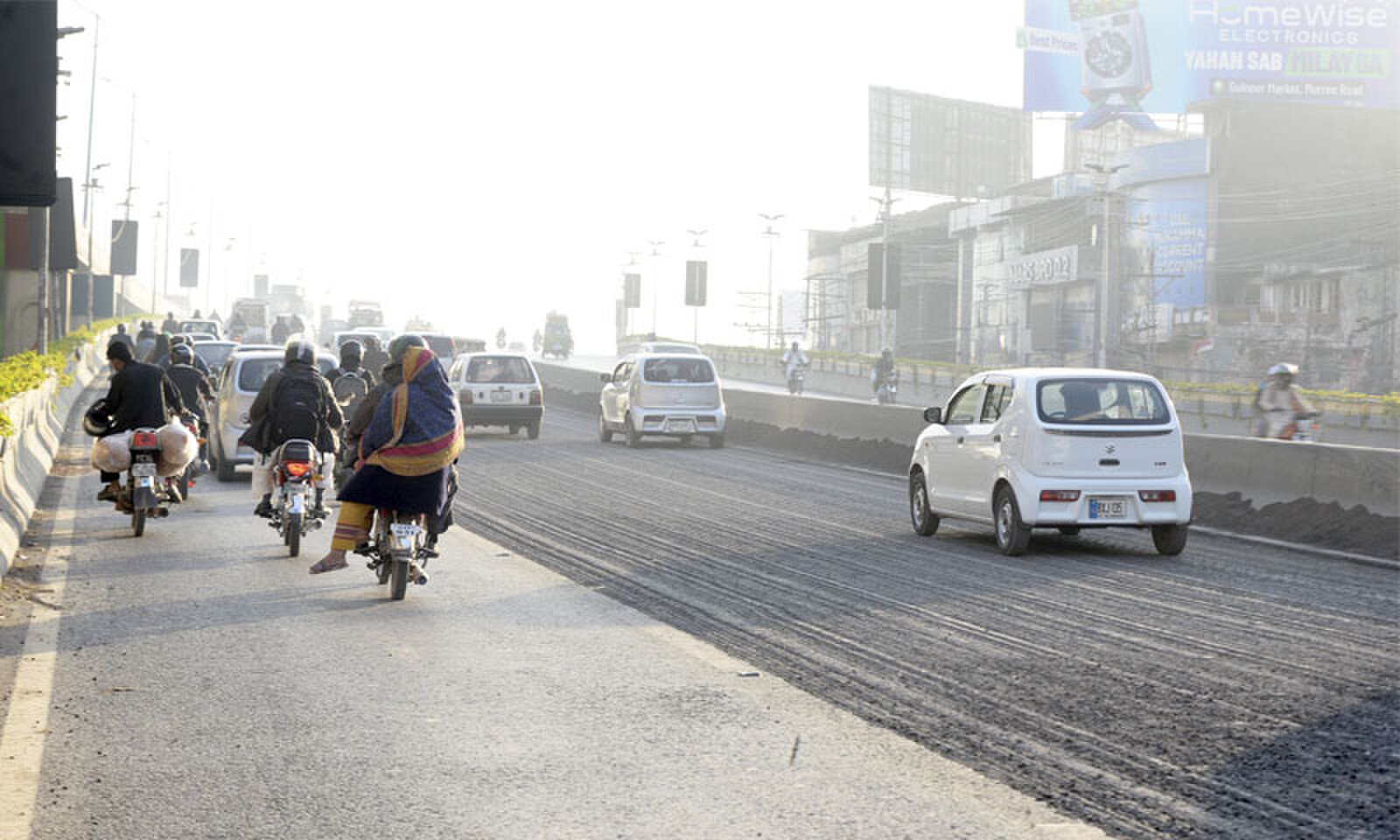
Officials said the increasing presence of rickshaws on primary roads has been causing bottlenecks, disrupting connectivity between business districts, markets, and densely populated neighbourhoods, and slowing overall vehicle movement, factors that negatively affect economic activity and urban efficiency. The ban covers several of the city’s most strategic routes, including Shahrah-e-Faisal, Shahrah-e-Quaideen, Korangi Road, and other high-traffic corridors that form the backbone of Karachi’s transport and commercial infrastructure.
Authorities believe the temporary restriction will improve travel times, enhance access to trade and retail zones, and support better land use and traffic management while contributing to safer and more organized urban movement.
Traffic police have been directed to strictly enforce the order, and violations may invite legal action as the administration monitors the impact of the measure to assess longer-term planning and mobility reforms for the metropolis.

Published: January 29, 2026 - 4:00 PM
Karachi Restricts Rickshaw Movement on 25 Key Corridors to Improve Urban Mobility.
شہری آمدورفت میں بہتری کے لیے کراچی کے 25 اہم کوریڈورز پر رکشوں کی آمد و رفت محدود.
▫️ Two-month ban under Section 144 aims to ease congestion, enhance commercial accessibility and strengthen traffic infrastructure.
Karachi | ReNews Pakistan In a move aimed at improving urban mobility and reducing pressure on Karachi’s overstretched road network, the city administration has imposed a two-month ban on the operation of three-seater and five-seater ...