Islamabad | ReNews Pakistan
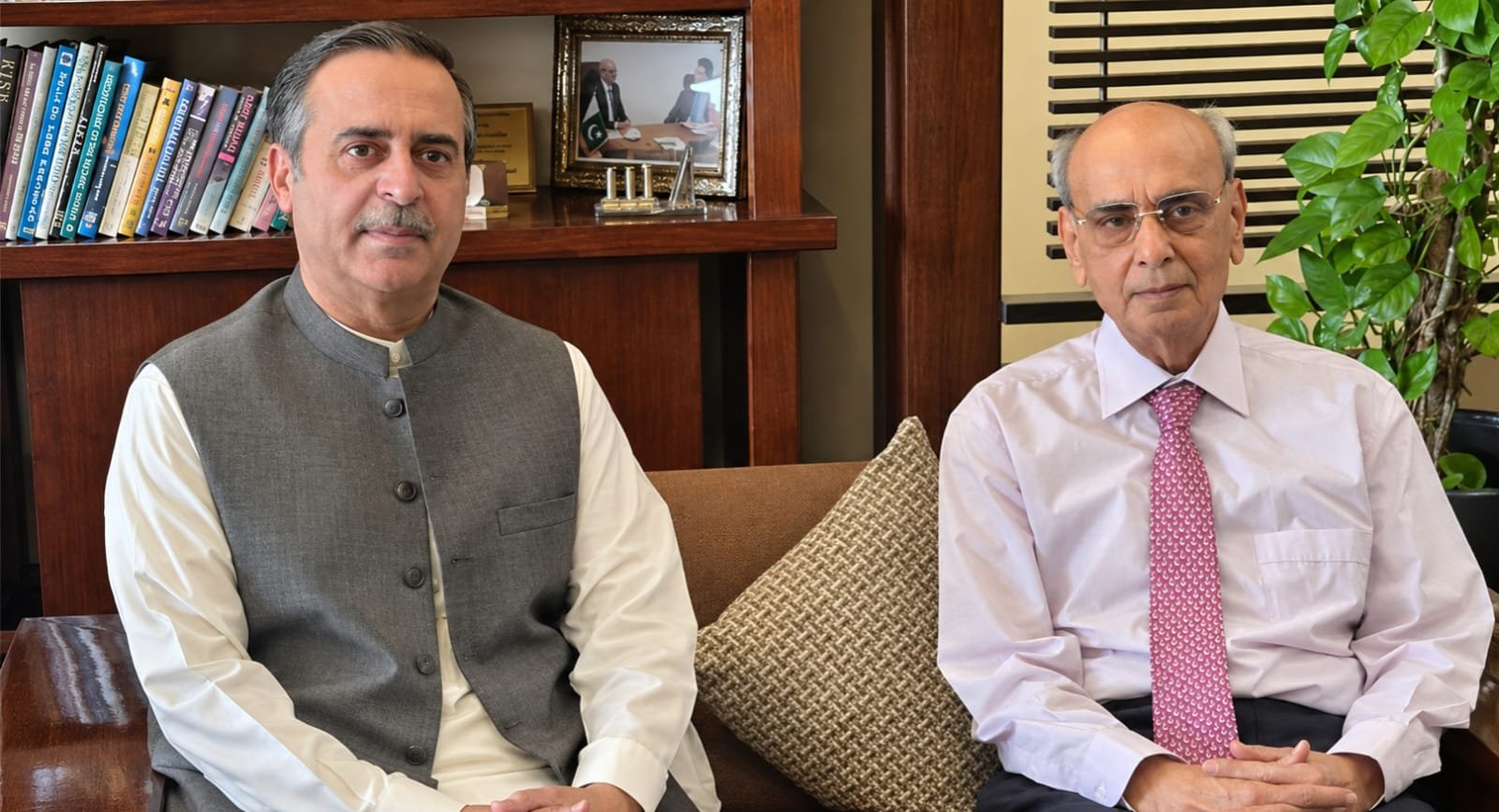
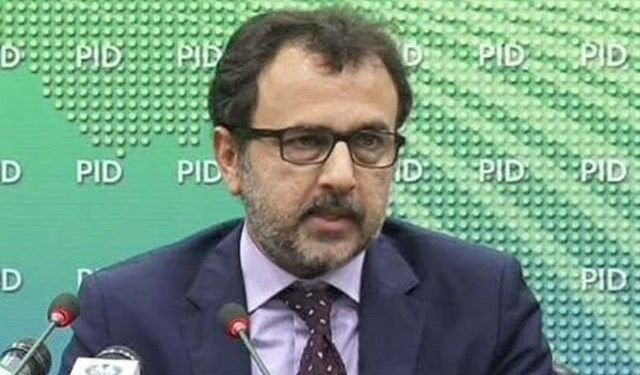
Federal Minister for Power, Sardar Awais Ahmed Khan Leghari, announced that Pakistan is expected to complete its first 200 megawatts (MW) electricity transaction under the newly introduced Competitive Market Operations Date (CMOD) regime by June 2026, marking a significant development in the country’s transition towards a competitive electricity market structure.
Speaking at the CMOD declaration ceremony, the minister stated that the reform journey was originally conceptualized in the early 1990s as part of long-term power sector restructuring. However, practical groundwork began in 2016–17, including regulatory preparation, institutional coordination, and development of market mechanisms. He noted that despite early approval, implementation faced delays due to governance, regulatory, and procedural complexities, resulting in a prolonged transition period of over two decades.
The CMOD regime introduces a competitive framework allowing eligible electricity buyers, including bulk consumers and distribution entities, to procure power directly from generators through transparent market-based mechanisms rather than relying solely on centralized allocations. This transition is intended to enhance efficiency, improve resource utilization, and encourage private sector participation in electricity supply.
The minister acknowledged that certain technical and regulatory matters, particularly the determination of wheeling charges — which govern the cost of transmitting electricity across networks — are currently in the final approval stages. A summary has been submitted for consideration at the federal level, and authorities expect regulatory clarity to enable electricity auctions and competitive transactions to proceed more efficiently after April 2026.
He emphasized that achieving the first 200MW competitive electricity transaction will represent a major milestone in Pakistan’s power sector reform process, reflecting years of institutional coordination involving regulatory authorities, transmission operators, distribution companies, and policymakers.
The transition towards a competitive electricity market is expected to support urban development and land utilization by improving reliability, availability, and efficiency of electricity supply. Stable energy access is a critical requirement for residential housing schemes, commercial centers, mixed-use developments, and industrial zones, all of which depend on consistent power availability for sustainable growth.
Improved electricity market efficiency is also expected to contribute positively to investor confidence in real estate and infrastructure-linked development, particularly in expanding urban regions where availability of essential utilities directly influences construction activity, land value stability, and long-term planning.
The minister expressed optimism that Pakistan’s shift from a centralized wholesale electricity system towards a more competitive and diversified retail-oriented structure would proceed at a faster pace than previous reform efforts. He reiterated the government’s commitment to adopting internationally recognized regulatory and operational practices to strengthen the country’s energy framework and support future urban and economic development.
The CMOD implementation represents a structural transition aimed at improving transparency, operational efficiency, and long-term sustainability of Pakistan’s electricity sector, with broader implications for national development, urban expansion, and property sector stability.
Published: February 25, 2026 - 10:31 AM
Pakistan Advances Power Market Reform Under CMOD, First 200MW Transaction Targeted by June 2026
پاکستان میں پاور مارکیٹ اصلاحات میں پیش رفت، جون 2026 تک پہلے 200 میگاواٹ کی لین دین کا ہدف
▫️ Reform implementation marks transition towards competitive electricity supply framework after decades of planning ▫️ Improved electricity access expected to facilitate urban expansion, housing development, and commercial land utilization
Islamabad | ReNews Pakistan Federal Minister for Power, Sardar Awais Ahmed Khan Leghari, announced that Pakistan is expected to complete its first 200 megawatts (MW) electricity transaction under the newly introduced Competitive Marke...