Islamabad | ReNews Pakistan
The federal government has officially informed Parliament that the Main Line 1 (ML 1) railway modernization project is no longer part of the China Pakistan Economic Corridor (CPEC) and will instead be financed through international financial institutions, including the Asian Development Bank (ADB), marking a significant shift in Pakistan’s infrastructure financing strategy.
The announcement was made during a meeting of the Senate Standing Committee on Economic Affairs, where Economic Affairs Secretary Hameer Karim briefed lawmakers on the government's revised approach to the country's largest railway infrastructure project.
According to the briefing, the ML 1 project, originally estimated to cost approximately $7.7 billion under the CPEC framework, has been separated from the flagship bilateral initiative. The government is now actively pursuing financial support from multilateral development partners, with the Asian Development Bank expected to play a leading role alongside other international lenders.
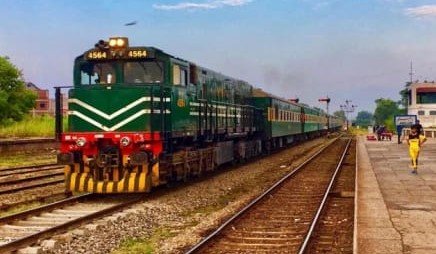
The ML 1 project is regarded as the backbone of Pakistan’s railway modernization programme. It aims to upgrade the country's main railway corridor stretching from Karachi to Peshawar through the replacement of aging railway tracks, modernization of signalling and communication systems, enhancement of passenger safety, expansion of freight capacity, and an increase in train operating speeds.
Once completed, the project is expected to significantly improve the efficiency of Pakistan Railways, reduce travel times, strengthen logistics, and facilitate trade by providing a faster and more reliable transport network across the country.
Despite its strategic importance, the project has experienced repeated delays over the past several years due to financing challenges, changing cost estimates, and prolonged negotiations regarding its implementation framework. The latest decision to seek funding from multilateral financial institutions represents a major policy shift in how the government intends to move the long delayed project forward.
During the Senate committee meeting, lawmakers also sought detailed information on the revised financing structure and questioned the Economic Affairs Division regarding the management of legal matters associated with foreign funded development projects. Committee members emphasized the need for greater transparency and timely execution of major national infrastructure initiatives.
Separately, the National Assembly Standing Committee on Railways reviewed the overall performance of Pakistan Railways and directed the ministry to submit comprehensive reports on railway land encroachments, institutional restructuring, and progress under the railway revival programme.
The committee also requested updated information on the implementation status of both the ML 1 project and the Pipri Marshalling Yard project, stressing that Parliament should be regularly informed about developments in these strategic initiatives.
Lawmakers further reviewed recent railway accidents, including the collision involving the Shalimar Express near Lakha Road Station and the derailment of the Tezgam train on the Lodhran Bahawalpur section. Pakistan Railways officials briefed the committee on the causes of the incidents, ongoing departmental inquiries, and disciplinary actions taken against officials found responsible.
At the conclusion of the meeting, the committee directed the Ministry of Railways to present a comprehensive progress report during its next session, outlining achievements under the railway restructuring plan, updates on the ML 1 project, and measures being taken to improve operational safety and modernize Pakistan's rail transport system.
Published: July 3, 2026 - 10:45 AM
Pakistan Removes ML 1 Railway Project From CPEC, Seeks New International Financing
حکومت نے ایم ایل ون ریلوے منصوبہ سی پیک سے الگ کر دیا، نئی عالمی فنانسنگ حاصل کرنے کا فیصلہ
▫️Government tells lawmakers the $7.7 billion railway modernization project will now pursue funding from the Asian Development Bank and other multilateral lenders after being separated from the CPEC framework
Islamabad | ReNews Pakistan The federal government has officially informed Parliament that the Main Line 1 (ML 1) railway modernization project is no longer part of the China Pakistan Economic Corridor (CPEC) and will instead be financed...