Islamabad | ReNews Pakistan
Pakistan’s major water and hydropower projects are once again facing scrutiny as concerns over delays, cost escalation, compensation disputes and weak oversight revive long standing questions about governance in public infrastructure development.
The latest concerns surrounding Diamer Basha Dam and the Tarbela 5th Extension project have highlighted problems that have repeatedly affected major national schemes. These include delayed approvals, rising costs, questionable management decisions, weak technical supervision and limited accountability after projects fall behind schedule.
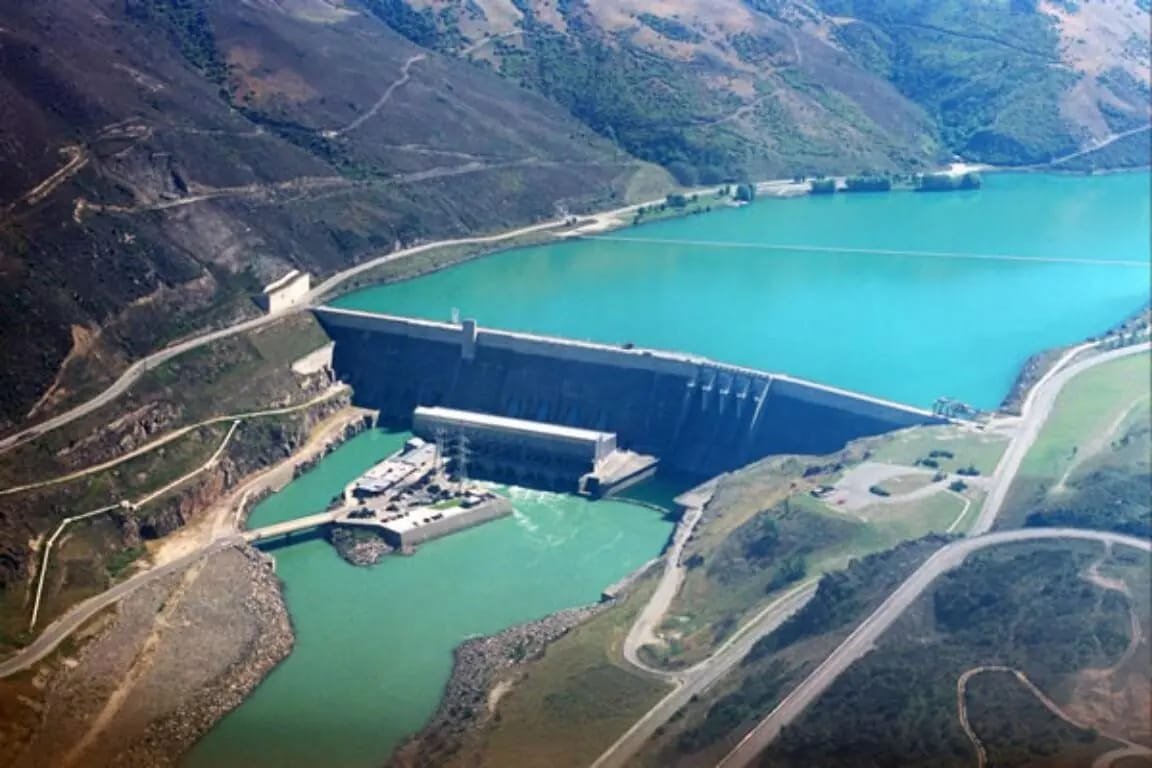
Planning Minister Ahsan Iqbal has expressed frustration over escalating costs and delayed revisions of project documents, particularly in the case of Diamer Basha Dam. The approved cost of the project has increased significantly since 2018, while revised documents reportedly remained pending for years.
The Tarbela 5th Extension project has also witnessed major cost escalation, with questions being raised about project management standards, consultant selection and transparency in decision making.
Observers say these are not minor administrative lapses. Projects involving hundreds of billions of rupees require strict financial discipline, transparent monitoring and strong technical oversight. When delays and cost revisions become routine, public confidence in national development planning is seriously affected.
The Neelum Jhelum project continues to serve as a warning example. Poor planning, technical flaws, delayed maintenance and weak supervision turned a major national asset into a long term financial burden.
The Mangla compensation issue reflects another side of the same governance challenge. Thousands of people displaced by a national infrastructure project are reportedly still awaiting compensation years after commitments were made. Experts say unresolved claims, delayed payments and bureaucratic inertia undermine both public trust and social stability.
Pakistan genuinely needs water storage and hydropower projects. Energy shortages, water stress and climate vulnerability make reservoir expansion and clean power generation essential for long term national stability. However, the strategic importance of these projects cannot become an excuse for weak governance.
There is also a wider fiscal concern. Every major cost overrun adds pressure to public finances, future development spending and electricity costs. Such inefficiency is ultimately transferred to taxpayers, consumers and future budgets.
Policy experts argue that large strategic projects should be subject to mandatory half yearly public progress reports. These reports should include timelines, cost revisions, technical milestones, procurement decisions and reasons for delays.
They say Pakistan’s infrastructure ambitions will remain trapped in a cycle of delay and regret unless accountability becomes real, transparency becomes routine and project governance is treated with the seriousness these investments demand.
Published: May 30, 2026 - 11:15 AM
Pakistan’s Mega Dam Projects Raise Fresh Concerns Over Governance, Delays and Cost Overruns
پاکستان کے میگا ڈیم پراجیکٹس پر گورننس، تاخیر اور لاگت میں اضافے کے نئے سوالات اٹھنے لگے
▫️Experts say water and hydropower projects remain vital for Pakistan, but strategic importance cannot justify weak project management
Islamabad | ReNews Pakistan Pakistan’s major water and hydropower projects are once again facing scrutiny as concerns over delays, cost escalation, compensation disputes and weak oversight revive long standing questions about governan...