Peshawar | ReNews Pakistan
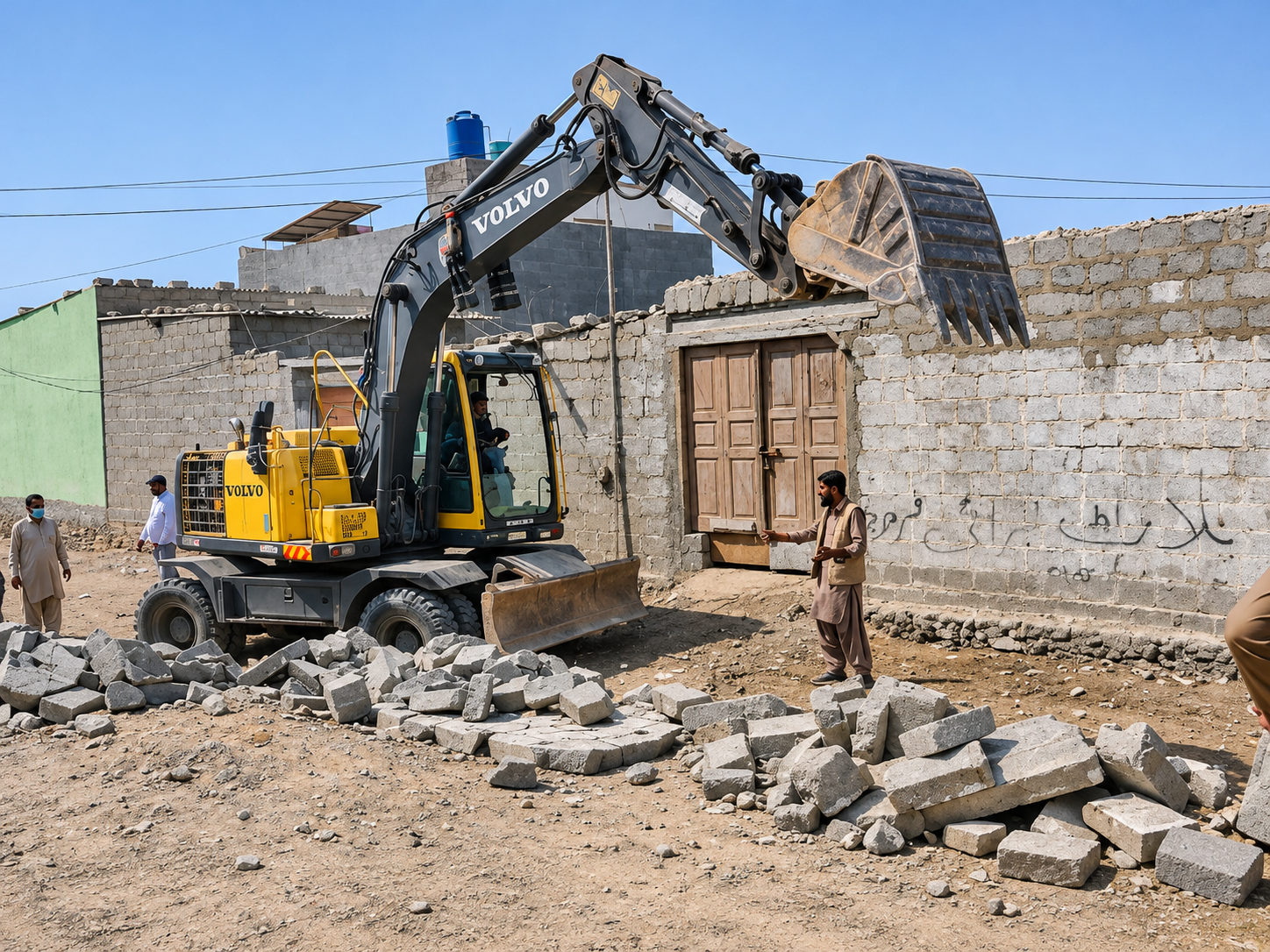
The Khyber Pakhtunkhwa government has announced plans to vacate nine additional Afghan refugee camps in Peshawar, continuing a phased closure program across the province. The move aims to reclaim land, infrastructure, and public utilities previously used for long-standing settlements.
Officials said the closures are part of a coordinated federal and provincial effort to manage the refugee population, facilitate voluntary repatriation, and transfer camp facilities to district authorities for public and developmental use. The program aligns with the Illegal Foreigners Repatriation Plan, which seeks to regulate undocumented foreign nationals in Pakistan.
Earlier phases have seen 28 camps across Peshawar, Nowshera, Hangu, Kohat, Mardan, and Swabi districts shut down. Authorities have emphasized that the process is being carried out in an orderly and non-coercive manner, giving residents sufficient time to relocate and move their belongings.
Provincial officials said water, electricity, and other utilities in the camps will be systematically withdrawn once residents have vacated. The reclaimed land is expected to be used for residential, commercial, and infrastructure projects, supporting regional development.
Humanitarian groups, including the UN Refugee Agency (UNHCR), have welcomed the orderly approach but stressed that repatriation must remain voluntary and dignified, in line with international norms.
Officials confirmed that district administrations will coordinate closely with residents to ensure minimal disruption while executing the camp closures. The latest phase marks a significant step in the government’s long-term plan to streamline refugee management while making land available for public and economic purposes.

Published: February 18, 2026 - 3:33 PM
Peshawar Prepares to Vacate Nine More Afghan Refugee Camps
پشاور میں مزید 9 افغان مہاجر کیمپس خالی کرنے کا فیصلہ
▫️ Phased closure drive underway, land and assets to be reclaimed for development
Peshawar | ReNews Pakistan The Khyber Pakhtunkhwa government has announced plans to vacate nine additional Afghan refugee camps in Peshawar, continuing a phased closure program across the province. The move aims to reclaim land, infra...