Islamabad | ReNews Pakistan
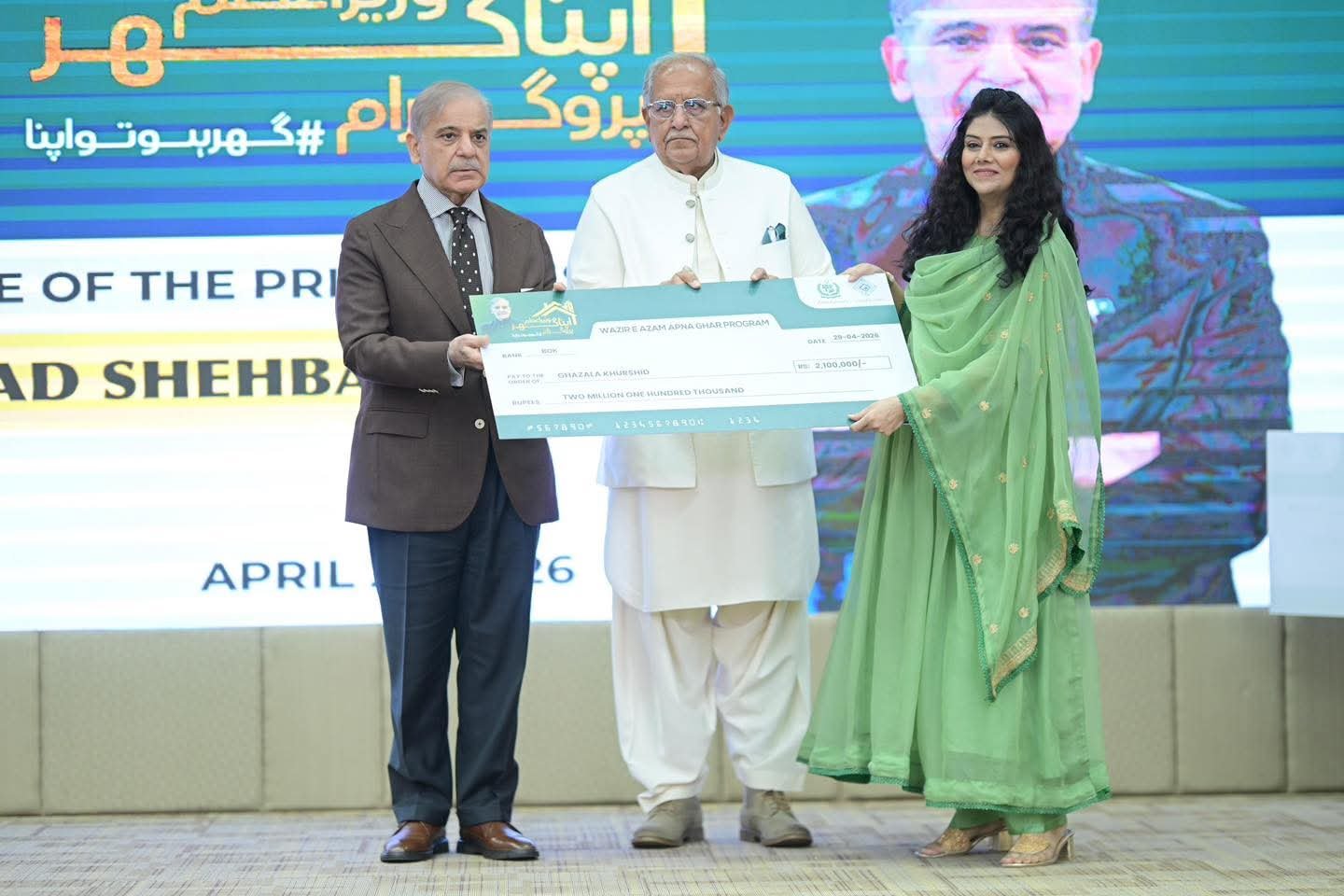
The National Assembly Standing Committee on Finance was informed that more than Rs 5 billion in subsidised loans had so far been disbursed to 1,845 beneficiaries under the Prime Minister’s Apna Ghar Programme, while plans are underway to facilitate the construction of 500,000 housing units across the country over the next four years.
During the committee meeting, the Federal Secretary Finance, Secretary Housing and Works, and Secretary Law and Justice briefed members on the implementation framework of the Prime Minister’s Apna Ghar Programme, the state of housing finance, and proposed reforms to foreclosure laws.
The Secretary Housing and Works told the committee that the Apna Ghar Programme is a subsidised housing finance scheme aimed at enabling middle- and low-income groups to acquire their own homes. Under the scheme, first-time homebuyers are eligible for loans of up to Rs 10 million at a fixed markup rate of 5 percent, repayable over a period of 20 years. The financing ratio has been set at 90:10.
The committee was informed that as of April 30, 2026, a total of 25,304 applications had been received, of which 8,990 had been approved. The value of approved loans has exceeded Rs 37.15 billion, while more than Rs 5.07 billion has already been released to 1,845 successful applicants.
Officials from the Ministry of Housing told lawmakers that Pakistan’s housing finance sector remains significantly underdeveloped, largely due to legal and recovery-related concerns faced by banks and financial institutions. According to officials, meaningful growth in mortgage financing would not be possible without reforms to foreclosure and loan recovery laws.
The briefing further stated that the proposed reforms are intended to reduce banking sector risks, restore investor confidence, and ensure sustainable growth in the housing finance sector, enabling financial institutions to expand lending for home construction and purchases.
The standing committee stressed the need for comprehensive structural reforms, an effective regulatory framework, and modern mortgage financing models to address the country’s growing housing demand. Committee members observed that stronger legal protections and a transparent recovery mechanism would not only boost confidence in the banking sector but also help make home ownership a reality for ordinary citizens.
Published: May 8, 2026 - 9:50 AM
Progress in PM’s Apna Ghar Programme: Over Rs 5 Billion in Loans Disbursed to 1,845 Families
وزیراعظم اپنا گھر پروگرام میں پیش رفت، 1845 خاندانوں کو 5 ارب روپے سے زائد قرضے جاری
▫️Target set for construction of 500,000 homes in four years; 8,990 applications approved out of more than 25,000 received
Islamabad | ReNews Pakistan The National Assembly Standing Committee on Finance was informed that more than Rs 5 billion in subsidised loans had so far been disbursed to 1,845 beneficiaries under the Prime Minister’s Apna Ghar Program...