Islamabad | ReNews Pakistan
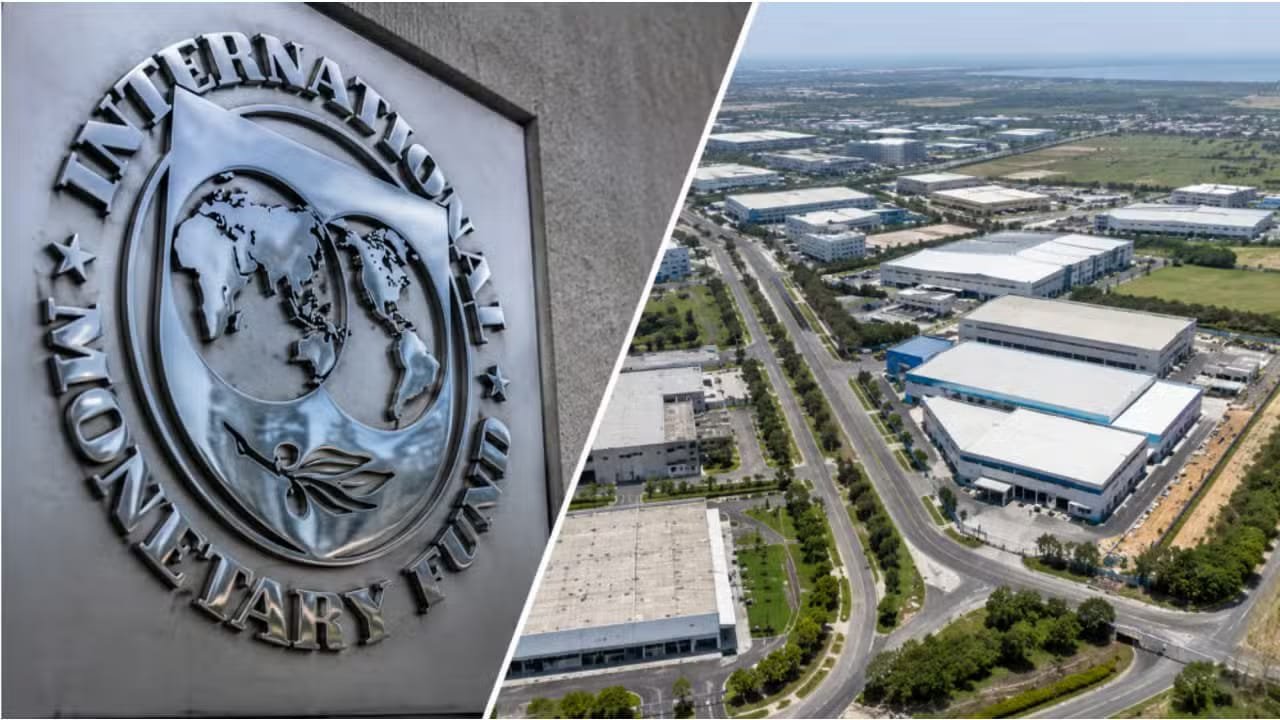
A Senate finance subcommittee has urged the federal government to renegotiate with the International Monetary Fund (IMF) over a plan to phase out Pakistan’s Export Processing Zones (EPZs) and Special Economic Zones (SEZs) by 2035, warning that the proposed transition could adversely affect industrial growth, exports and investment.
The issue was discussed by the Senate Standing Committee on Finance and Revenue, where the Ministry of Industries and Production briefed lawmakers on the proposed phaseout. Officials told the committee that the measure is linked to conditionalities under the IMF’s Extended Fund Facility (EFF), which seeks to bring different sectors of the economy under a more uniform taxation framework.
After reviewing the potential implications, the subcommittee recommended that the government engage with the IMF and seek amendments to the proposed arrangement so that existing economic zones are not adversely affected. Lawmakers expressed concern that abruptly reducing or withdrawing incentives available to businesses operating in EPZs and SEZs could weaken industrial activity and discourage both domestic and foreign investment.
The subcommittee, chaired by Senator Talha Mahmood, also examined problems being faced by exporters and businesses in carrying out banking transactions. Members discussed the difficulties associated with conventional bank guarantees and cheques and called for practical alternatives that could reduce administrative and financial burdens on businesses.
The committee proposed that insurance guarantees should be considered as an alternative where legally permissible. The Federal Board of Revenue (FBR) assured lawmakers that it would examine the proposal and explore possible solutions.
Tax administration and taxpayer facilitation also remained among the key issues discussed during the meeting. The committee recommended the introduction of facial recognition technology for taxpayers whose fingerprints cannot be successfully verified through the existing biometric system.
The FBR was directed to coordinate with the National Database and Registration Authority (NADRA) to develop an effective mechanism for resolving biometric verification problems. Lawmakers also asked the FBR to provide details of officials who hold dual nationality or permanent residency in another country.
The panel also discussed the impact of power shortages on commercial activity, particularly the early closure of markets and businesses during periods of electricity outages. Officials attributed recent power-related constraints partly to disruptions in the supply of re-gasified liquefied natural gas (RLNG), which subsequently contributed to load management measures.
The Securities and Exchange Commission of Pakistan (SECP) also briefed the committee on cases involving unauthorized transfers of shares, forged signatures and other unlawful practices in the securities market.
According to the briefing, the SECP is continuing to digitalize the share market and taking action against individuals and companies allegedly involved in illegal activities. The digitalization process is aimed at improving transparency, strengthening oversight and reducing opportunities for fraudulent share transactions.
At the conclusion of the discussions, lawmakers emphasized the need for stronger engagement between government institutions and the business community. They called on the FBR to improve communication with taxpayers, address procedural difficulties and take practical steps to enhance the ease of doing business.
The subcommittee’s recommendations come as Pakistan seeks to implement fiscal reforms under its IMF programme while simultaneously maintaining industrial competitiveness and attracting investment. The proposed phaseout of EPZ and SEZ incentives is therefore likely to remain a significant issue for policymakers, exporters and investors as the government considers how to reconcile IMF tax reform requirements with the country’s industrial and export growth objectives.
Published: September 2, 2026 - 10:01 AM
Senate Committee Urges Govt to Renegotiate IMF Plan to Phase Out Economic Zones by 2035
سینیٹ کمیٹی کا اقتصادی زونز 2035 تک ختم کرنے کا آئی ایم ایف منصوبہ دوبارہ مذاکرات کے ذریعے تبدیل کرنے پر زور
▫️Committee seeks alternatives to bank guarantees, improved taxpayer facilitation and stronger coordination between FBR and NADRA
Islamabad | ReNews PakistanA Senate finance subcommittee has urged the federal government to renegotiate with the International Monetary Fund (IMF) over a plan to phase out Pakistan’s Export Processing Zones (EPZs) and Special Economic Z...