Currently viewing
Housing Societies Coverage
Real Estate Investment and Market Trends in Pakistan: Opportunities, Challenges and the Road Ahead
July 2, 2026
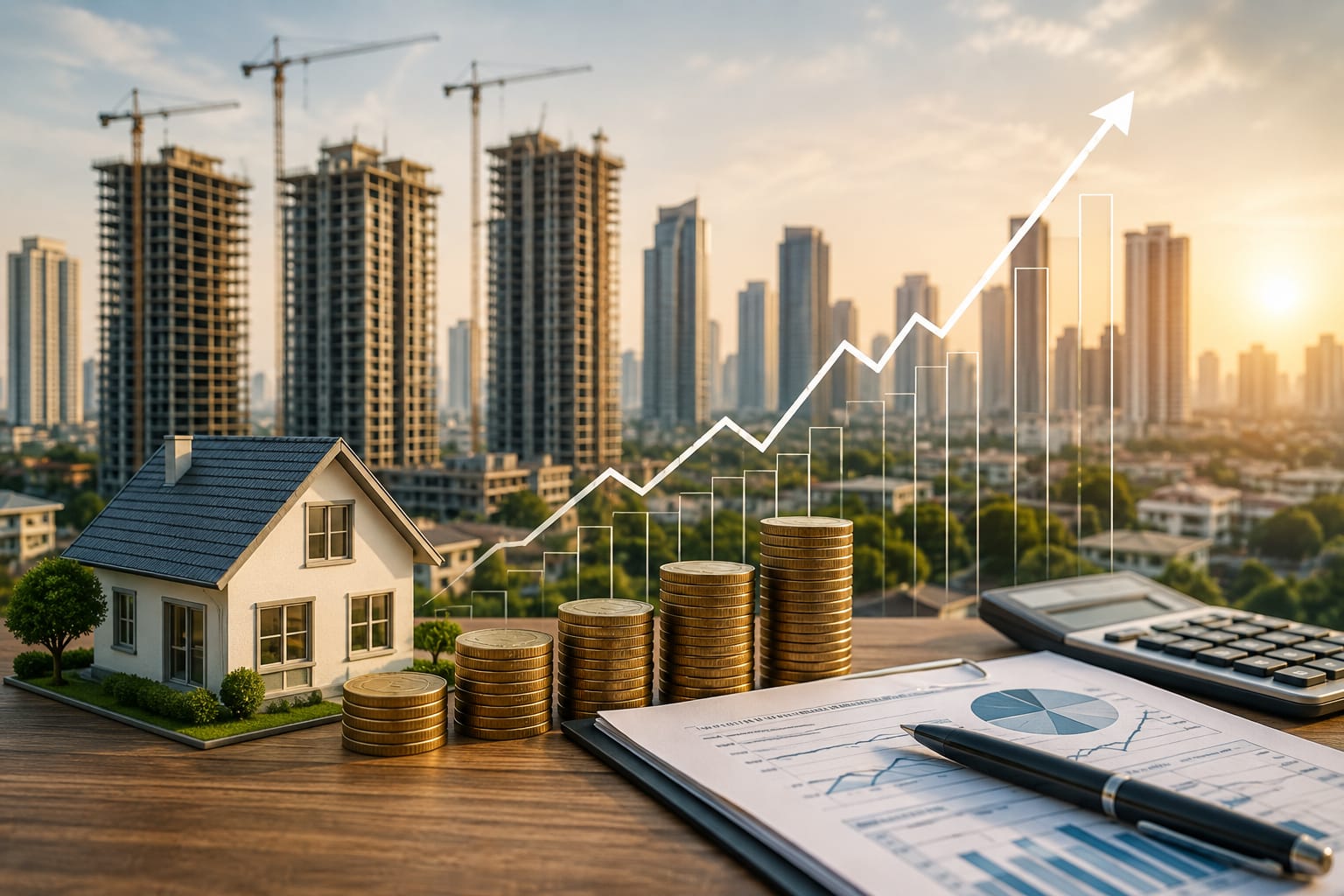
Real estate has long remained one of Pakistan’s most attractive investment sectors, but the market has changed significantly in recent years. In the past, buying land and waiting for its value to rise was often considered a successful investment strategy. Today, serious investors look beyond price appreciation. They study economic indicators, government policies, tax laws, infrastructure projects, population growth and urban expansion before making decisions.
Pakistan’s population has crossed 250 million, and millions of people continue to move toward cities in search of better jobs and basic facilities. This rapid urbanisation has increased demand for residential, commercial and industrial property. As a result, new housing projects, commercial centres and mixed use developments are emerging across major cities including Islamabad, Lahore, Karachi, Rawalpindi, Faisalabad, Multan and Peshawar.
The real estate market is not shaped by demand and supply alone. Government economic policies also have a direct impact on investor behaviour. Changes in interest rates, tax reforms, filer and non filer rules, capital gains tax, withholding tax, bank financing and incentives for the construction sector can all shift market sentiment. A successful investor therefore does not only examine a plot or building, but also studies the broader direction of the national economy.
Another major trend in Pakistan is infrastructure driven investment. Areas linked with new motorways, expressways, ring roads, metro systems and industrial zones often witness significant changes in property values. This is why investment activity usually rises after the announcement of major infrastructure projects. However, investing purely on rumours is risky. Investors must examine the legal status, funding position, construction progress and official approvals of any such project.
A positive development is the growing role of digital technology in real estate. Online property portals, digital land records, geographic information systems, drone surveys, 3D project presentations and artificial intelligence based market analysis are giving investors access to better information. These tools are improving transparency and reducing the risk of fraud to some extent, although further reforms are still required.
Despite its potential, Pakistan’s real estate sector continues to face serious challenges. Illegal housing societies, ownership disputes, land grabbing, opaque transactions, weak regulation and unverified market information create risks for investors. For this reason, every investment should be preceded by proper verification from the relevant development authority, confirmation of ownership documents, legal due diligence and an independent assessment of market value.
Looking ahead, Pakistan’s real estate market offers major opportunities, but success will belong to investors who rely on research, data and long term planning rather than emotion or speculation. If the government focuses on transparent laws, digital systems, effective regulation, easier housing finance and modern urban planning, real estate can become not only a secure investment avenue but also a powerful driver of employment, construction activity, industrial growth and national economic development.