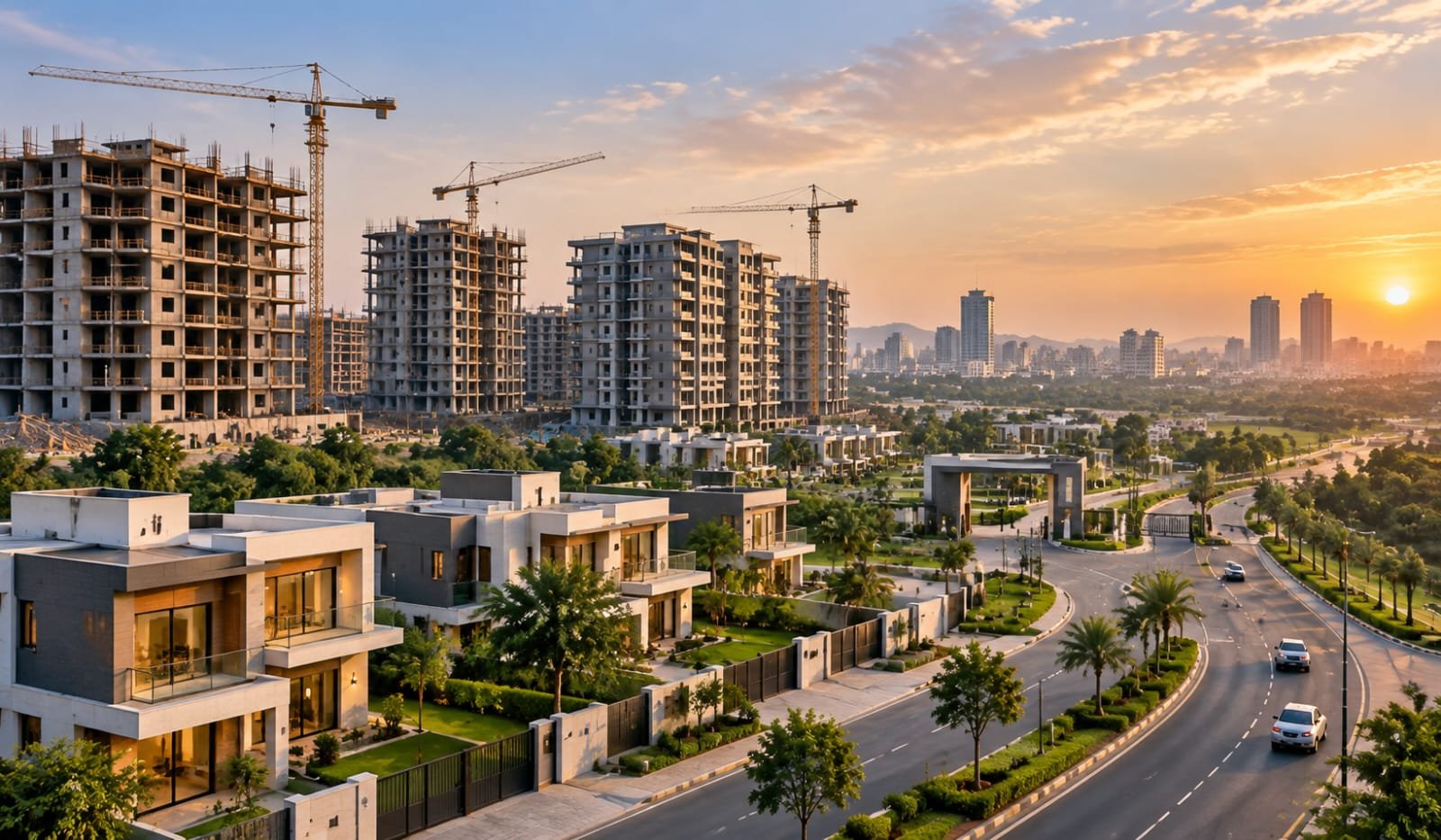
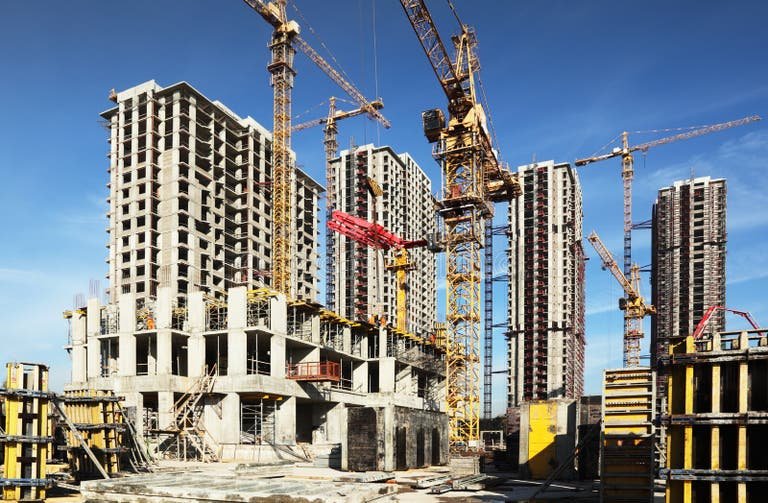
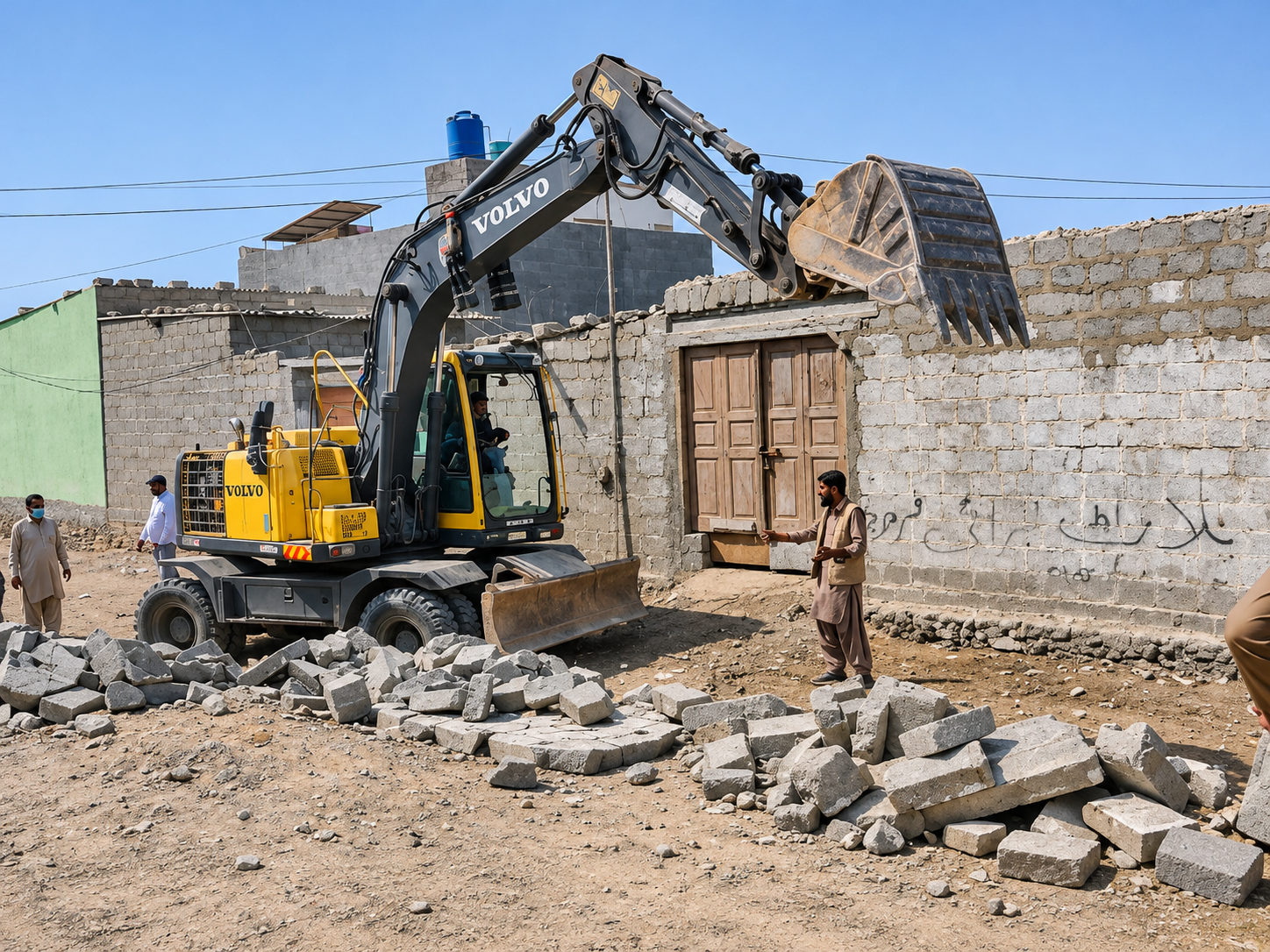
Pakistan’s real estate sector plays an important role in the national economy, construction activity and job creation. However, one of the most serious challenges facing this sector is speculative buying and artificial price inflation. This trend has not only distorted the real market value of property but has also made homeownership increasingly difficult for middle and low income households.
Speculative buying refers to investment in property not for actual use or development, but mainly with the expectation that prices will rise in the future and the asset can be sold at a higher profit. Over the past two decades, this trend has been visible in many Pakistani cities, where large scale investment in plots and housing schemes was driven more by profit expectations and wealth parking than genuine housing need.
As a result, property prices continued to rise artificially instead of being determined by real demand and supply. In some areas, land and plots were sold multiple times, yet no construction took place and no residents moved in. This situation encouraged the “file culture” and undeveloped housing schemes, where prices were pushed upward through paper based transactions.
The greatest burden of artificial price inflation falls on ordinary citizens. When property prices rise far beyond income levels, it becomes almost impossible for the middle class to buy a home. Housing finance programs also become less effective because borrowers’ repayment capacity remains limited. As a result, genuine housing demand is suppressed while the market becomes dominated by investors.
This trend is also harmful for the wider economy. Capital that could be used in productive sectors, industry, exports and business activity remains locked in inactive land and plots. This slows economic activity, delays construction and reduces the government’s potential tax revenue.
The current government has taken several steps to address this issue. In the Federal Budget 2026 27, tax reforms were introduced for the real estate sector, including reductions in withholding tax rates for buyers and sellers, while Section 7E, related to deemed rental income, was abolished to encourage genuine investment and documented transactions. In addition, the government, FBR and provincial revenue authorities are working on digital property valuation, better documentation of transactions, action against benami assets and expansion of the tax net to discourage non transparent investment and artificial price increases.
According to experts, tax reforms alone will not be enough. The government must strengthen transparency in land supply, encourage developed housing projects, introduce an effective policy for vacant plots, improve modern land record systems, provide reliable market data and enhance regulatory oversight. Long term housing finance, urban planning and responsible private sector participation are also essential.
If Pakistan’s real estate market is built on genuine housing needs, transparent investment and sustainable development principles, speculative buying can be reduced significantly. This would help property prices become more stable and aligned with real economic fundamentals, make homeownership more accessible for millions of citizens and support balanced long term growth in the national economy.

Published: June 29, 2026 - 11:41 AM