ReNews Pakistan
← Back to home

Arazi Nama

89 news articles

Urban Flooding and Weak Infrastructure: A Growing Threat to Pakistan’s Cities

Urban Flooding and Weak Infrastructure: A Growing Threat to Pakistan’s Cities

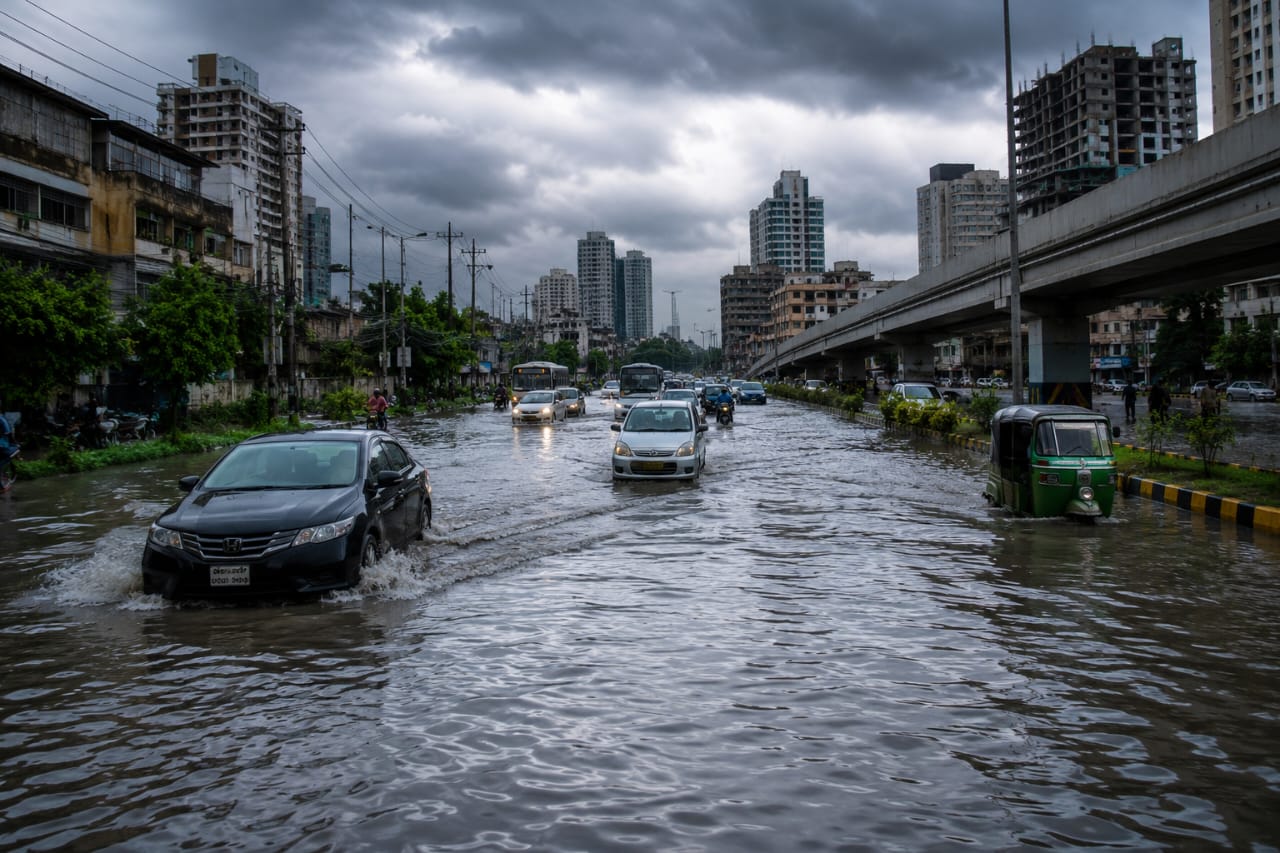
Every year, with the onset of the monsoon season, Pakistan’s major cities face a familiar crisis. A few hours of heavy rainfall can turn roads into pools of stagnant water, paralyse traffic, disrupt commercial activity and bring daily life to a standstill. At first glance, the problem may appear to be the result of unusually intense rainfall. In reality, however, urban flooding is driven not only by changing weather patterns but also by weak infrastructure, poor planning and long-neglected failures in urban governance.
Pakistan’s urban population has expanded rapidly over the past two decades, yet basic infrastructure has not been upgraded at the same pace. Drainage and sewerage systems in many cities are decades old and were not designed to serve today’s population density, construction levels or rainfall intensity. As a result, even moderately heavy rain can overwhelm these systems, forcing water onto roads, into commercial areas and across residential neighbourhoods.
Unplanned urban expansion is another major factor behind the recurring crisis. In several cities, construction has taken place over natural drains, waterways and traditional rainwater channels. Encroachments have further restricted the flow of water, while many new housing schemes have been developed without effective stormwater management systems. Consequently, rainwater that should drain away within hours often remains trapped in urban areas for days.
The economic consequences are equally serious. Every year, flooding damages homes, shops, vehicles, roads and other public infrastructure, causing losses worth billions of rupees. Businesses are forced to close, industrial activity slows and transport networks are disrupted. Urban flooding also creates a major public health risk, as stagnant and contaminated water contributes to the spread of infectious and waterborne diseases.
Cities around the world are responding to similar challenges through modern urban planning, smart drainage systems, rainwater harvesting, green infrastructure and groundwater recharge projects. Pakistan has also launched some initiatives, including recharge wells, drainage upgrades and improved rainwater management schemes. However, these efforts remain limited and must be expanded through a coordinated, long-term national strategy.
Urban flooding is not merely a seasonal inconvenience. It is a test of urban governance, infrastructure planning and environmental resilience. Unless drainage, climate risks, population pressure and future urban needs are treated as central elements of development policy, the problem is likely to become more severe in the coming years.
To make Pakistan’s cities safer, more resilient and more liveable, urban development must move beyond the construction of roads and buildings. Modern drainage systems, strict enforcement of building regulations, protection of natural waterways and integrated city planning must be treated as national priorities. Only through sustained investment and institutional reform can Pakistan reduce the risks of urban flooding and build cities capable of withstanding the pressures of the future.
DHA Estate Agents Association Lahore Election Campaign: Leadership, Performance and Dealers’ Expectations

DHA Estate Agents Association Lahore Election Campaign: Leadership, Performance and Dealers’ Expectations

▫️ Riaz Hussain

The election campaign for the DHA Estate Agents Association Lahore offers the real estate community an important opportunity to define its priorities.

Why Is Consumer Protection Weak in Pakistan’s Real Estate Sector, and Where Can Property Investors Seek Justice?

Why Is Consumer Protection Weak in Pakistan’s Real Estate Sector, and Where Can Property Investors Seek Justice?

▫️ Riaz Hussain

For millions of Pakistanis, owning a home is a lifelong dream. However, turning that dream into reality can sometimes put their entire life savings at risk. Many buyers investing in residential and commercial projects face problems such ...

Property Fraud and Misleading Marketing: The Hidden Risks Facing Pakistan’s Real Estate Buyers

Property Fraud and Misleading Marketing: The Hidden Risks Facing Pakistan’s Real Estate Buyers

▫️

Pakistan’s real estate sector attracts billions of rupees in investment every year, but behind glossy advertisements, ambitious master plans and promises of high returns lies a persistent problem: property fraud and misleading marketing.

DHA Lahore’s Phase 9 Prism Moves Toward Greater Residential and Commercial Occupancy

DHA Lahore’s Phase 9 Prism Moves Toward Greater Residential and Commercial Occupancy

DHA Lahore’s Phase 9 Prism has emerged as one of the city’s major residential and commercial developments, with the opening of possession for plots in 2026 marking the beginning of a new phase of development and construction activity.

Property Taxes vs Real Estate: Can Pakistan Find the Right Balance?

Property Taxes vs Real Estate: Can Pakistan Find the Right Balance?

▫️

Pakistan’s real estate sector stands at a difficult crossroads. On one side, the government needs to increase tax revenues, document property ownership and bring more economic activity into the formal tax system. On the other, property b...

What You Should Know Before Buying Property: It’s Not Just About the Documents

What You Should Know Before Buying Property: It’s Not Just About the Documents

Buying property is one of the biggest financial decisions a person can make.When purchasing a house, apartment, plot or any other type of real estate, buyers usually focus on the price, location and ownership documents. But in reality, c...

New Housing Projects Gain Momentum in Pakistan, Transforming Urban Development and Real Estate Landscape

New Housing Projects Gain Momentum in Pakistan, Transforming Urban Development and Real Estate Landscape

▫️

Pakistan’s housing sector is witnessing increased activity as population growth, urban expansion and rising demand for residential facilities continue to drive the development of new housing projects across the country.

From Building Plan Approval to Safer Structures: Why Building Code Enforcement Matters in Pakistan

From Building Plan Approval to Safer Structures: Why Building Code Enforcement Matters in Pakistan

▫️

Pakistan’s major cities are witnessing a steady increase in high-rise buildings, residential developments, commercial plazas and housing societies.

Crackdown on Illegal Housing Societies in Islamabad: How Can Billions of Rupees Invested by Citizens Be Protected?

Crackdown on Illegal Housing Societies in Islamabad: How Can Billions of Rupees Invested by Citizens Be Protected?

▫️Crackdown on Illegal Housing Societies in Islamabad: How Can Billions of Rupees Invested by Citizens Be Protected?

Recent action against illegal housing societies in Islamabad has once again raised a critical question: How do such societies emerge in the federal capital, who is responsible for monitoring them, and what role should state institutions ...

Urban Flooding and Weak Infrastructure: A Growing Threat to Pakistan’s Cities

Urban Flooding and Weak Infrastructure: A Growing Threat to Pakistan’s Cities

Every year, with the onset of the monsoon season, Pakistan’s major cities face a familiar crisis. A few hours of heavy rainfall can turn roads into pools of stagnant water, paralyse traffic, disrupt commercial activity and bring daily life to a standstill. At first glance, the problem may appear to be the result of unusually intense rainfall. In reality, however, urban flooding is driven not only by changing weather patterns but also by weak infrastructure, poor planning and long-neglected failures in urban governance.
Pakistan’s urban population has expanded rapidly over the past two decades, yet basic infrastructure has not been upgraded at the same pace. Drainage and sewerage systems in many cities are decades old and were not designed to serve today’s population density, construction levels or rainfall intensity. As a result, even moderately heavy rain can overwhelm these systems, forcing water onto roads, into commercial areas and across residential neighbourhoods.
Unplanned urban expansion is another major factor behind the recurring crisis. In several cities, construction has taken place over natural drains, waterways and traditional rainwater channels. Encroachments have further restricted the flow of water, while many new housing schemes have been developed without effective stormwater management systems. Consequently, rainwater that should drain away within hours often remains trapped in urban areas for days.
The economic consequences are equally serious. Every year, flooding damages homes, shops, vehicles, roads and other public infrastructure, causing losses worth billions of rupees. Businesses are forced to close, industrial activity slows and transport networks are disrupted. Urban flooding also creates a major public health risk, as stagnant and contaminated water contributes to the spread of infectious and waterborne diseases.
Cities around the world are responding to similar challenges through modern urban planning, smart drainage systems, rainwater harvesting, green infrastructure and groundwater recharge projects. Pakistan has also launched some initiatives, including recharge wells, drainage upgrades and improved rainwater management schemes. However, these efforts remain limited and must be expanded through a coordinated, long-term national strategy.
Urban flooding is not merely a seasonal inconvenience. It is a test of urban governance, infrastructure planning and environmental resilience. Unless drainage, climate risks, population pressure and future urban needs are treated as central elements of development policy, the problem is likely to become more severe in the coming years.
To make Pakistan’s cities safer, more resilient and more liveable, urban development must move beyond the construction of roads and buildings. Modern drainage systems, strict enforcement of building regulations, protection of natural waterways and integrated city planning must be treated as national priorities. Only through sustained investment and institutional reform can Pakistan reduce the risks of urban flooding and build cities capable of withstanding the pressures of the future.
DHA Estate Agents Association Lahore Election Campaign: Leadership, Performance and Dealers’ Expectations

DHA Estate Agents Association Lahore Election Campaign: Leadership, Performance and Dealers’ Expectations

▫️ Riaz Hussain

The election campaign for the DHA Estate Agents Association Lahore offers the real estate community an important opportunity to define its priorities.

Why Is Consumer Protection Weak in Pakistan’s Real Estate Sector, and Where Can Property Investors Seek Justice?

Why Is Consumer Protection Weak in Pakistan’s Real Estate Sector, and Where Can Property Investors Seek Justice?

▫️ Riaz Hussain

For millions of Pakistanis, owning a home is a lifelong dream. However, turning that dream into reality can sometimes put their entire life savings at risk. Many buyers investing in residential and commercial projects face problems such ...

Property Fraud and Misleading Marketing: The Hidden Risks Facing Pakistan’s Real Estate Buyers

Property Fraud and Misleading Marketing: The Hidden Risks Facing Pakistan’s Real Estate Buyers

▫️

Pakistan’s real estate sector attracts billions of rupees in investment every year, but behind glossy advertisements, ambitious master plans and promises of high returns lies a persistent problem: property fraud and misleading marketing.

DHA Lahore’s Phase 9 Prism Moves Toward Greater Residential and Commercial Occupancy

DHA Lahore’s Phase 9 Prism Moves Toward Greater Residential and Commercial Occupancy

DHA Lahore’s Phase 9 Prism has emerged as one of the city’s major residential and commercial developments, with the opening of possession for plots in 2026 marking the beginning of a new phase of development and construction activity.

Property Taxes vs Real Estate: Can Pakistan Find the Right Balance?

Property Taxes vs Real Estate: Can Pakistan Find the Right Balance?

▫️

Pakistan’s real estate sector stands at a difficult crossroads. On one side, the government needs to increase tax revenues, document property ownership and bring more economic activity into the formal tax system. On the other, property b...

What You Should Know Before Buying Property: It’s Not Just About the Documents

What You Should Know Before Buying Property: It’s Not Just About the Documents

Buying property is one of the biggest financial decisions a person can make.When purchasing a house, apartment, plot or any other type of real estate, buyers usually focus on the price, location and ownership documents. But in reality, c...

New Housing Projects Gain Momentum in Pakistan, Transforming Urban Development and Real Estate Landscape

New Housing Projects Gain Momentum in Pakistan, Transforming Urban Development and Real Estate Landscape

▫️

Pakistan’s housing sector is witnessing increased activity as population growth, urban expansion and rising demand for residential facilities continue to drive the development of new housing projects across the country.

From Building Plan Approval to Safer Structures: Why Building Code Enforcement Matters in Pakistan

From Building Plan Approval to Safer Structures: Why Building Code Enforcement Matters in Pakistan

▫️

Pakistan’s major cities are witnessing a steady increase in high-rise buildings, residential developments, commercial plazas and housing societies.

Crackdown on Illegal Housing Societies in Islamabad: How Can Billions of Rupees Invested by Citizens Be Protected?

Crackdown on Illegal Housing Societies in Islamabad: How Can Billions of Rupees Invested by Citizens Be Protected?

▫️Crackdown on Illegal Housing Societies in Islamabad: How Can Billions of Rupees Invested by Citizens Be Protected?

Recent action against illegal housing societies in Islamabad has once again raised a critical question: How do such societies emerge in the federal capital, who is responsible for monitoring them, and what role should state institutions ...

More Real Estate News

National Real Estate News

See All →

City and District Real Estate News

See All →

Global Real Estate News

See All →

Corporate Real Estate News

See All →

Social Real Estate News

See All →

Real Estate Insights

See All →