ReNews Pakistan
← Back to home

Arazi Nama

89 news articles

Where Does CPEC Stand? A New Test for Pakistan China Partnership After the First Phase

Where Does CPEC Stand? A New Test for Pakistan China Partnership After the First Phase

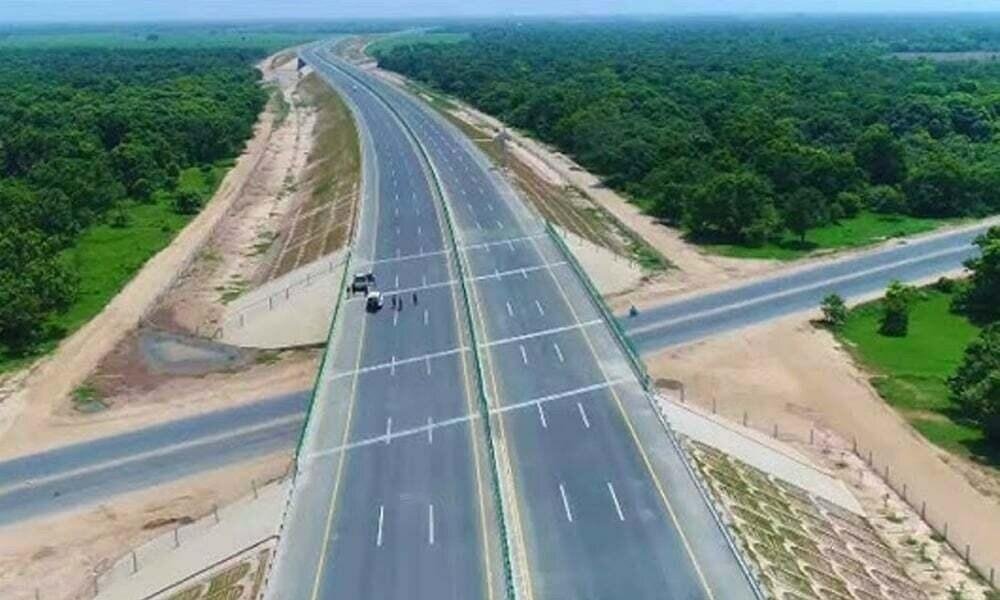
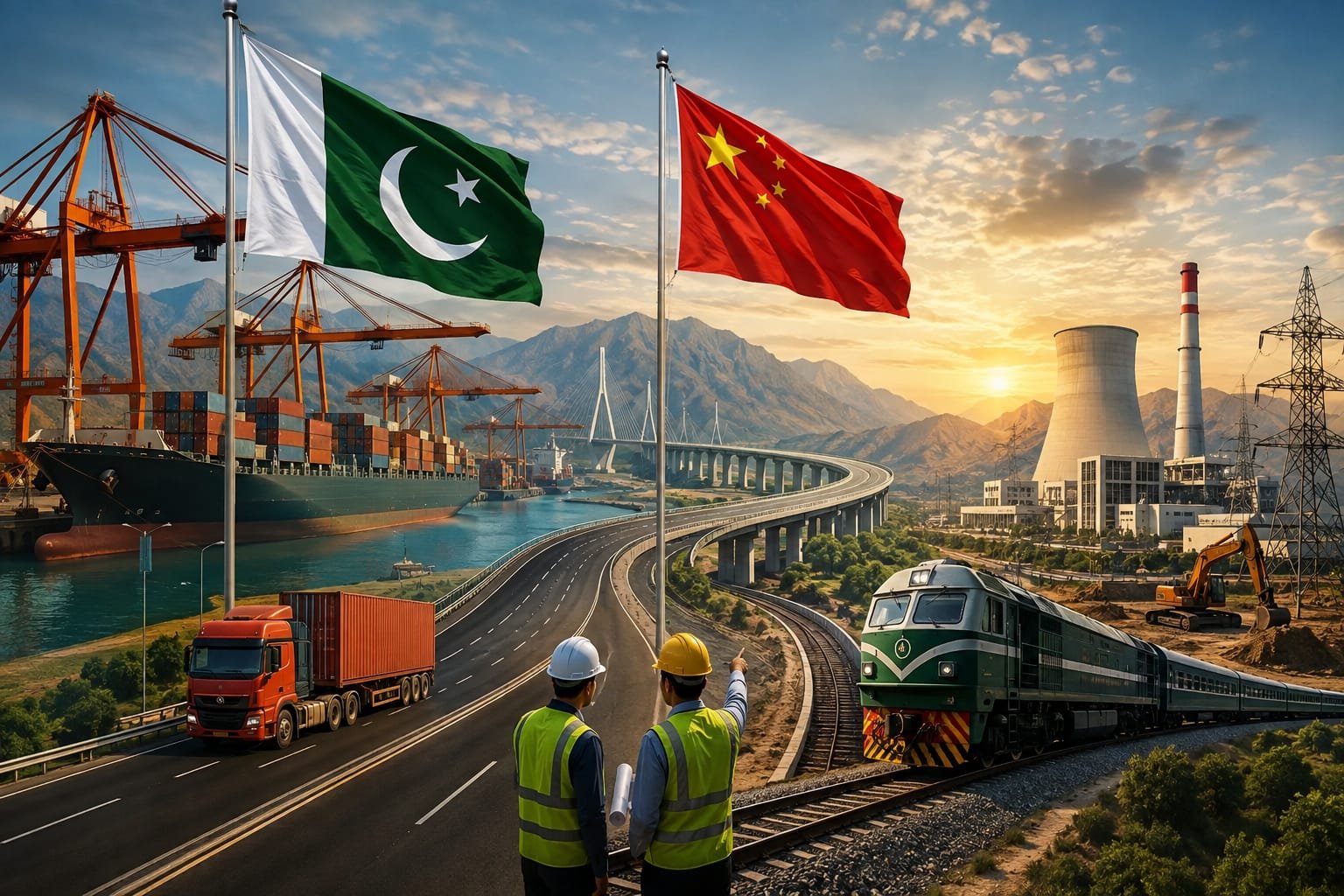
The China-Pakistan Economic Corridor, commonly known as CPEC, is currently passing through an important phase of transition. For more than a decade, the initiative was largely identified with power plants, highways, port infrastructure and other major development projects. Pakistan and China are now seeking to move the programme into its second phase, widely described as CPEC 2.0. Under the official policy framework, the new phase is expected to place greater emphasis not only on infrastructure, but also on industrial development, exports, agriculture, technology, employment generation and regional connectivity. It would be an oversimplification to describe CPEC’s first phase as either a complete success or a complete failure. A number of major energy and transport projects were completed under the programme. According to official CPEC records, projects such as the Multan-Sukkur Motorway, the Havelian-Thakot Highway, the Lahore Orange Line and the optical fibre link from Khunjerab to Rawalpindi were among the key infrastructure developments completed during the first phase. Several large power generation projects were also brought online. The more important question now is whether this infrastructure can help Pakistan increase industrial production and expand exports. Following the 14th meeting of the CPEC Joint Cooperation Committee in September 2025, Pakistan and China agreed to focus the second phase on five broad areas: growth, livelihoods, innovation, green development and regional connectivity. Pakistan has also proposed deeper cooperation in the digital economy, artificial intelligence, modern agriculture and technology. This shift is significant because Pakistan now requires more than loans and large construction projects. The country needs foreign direct investment, industrial expansion, technology transfer and stronger export capacity. If Chinese companies establish production facilities in Pakistan and special economic zones become fully operational, the second phase of CPEC could have a more sustainable economic impact than the first. However, the challenges remain substantial. Delays in project implementation, the investment climate, financial problems in the energy sector, policy continuity and security concerns involving Chinese nationals and projects have all affected CPEC’s progress over the years. For that reason, the implementation of new commitments will be more important than announcements alone. Gwadar also remains a central part of the wider CPEC vision. The government says steps have been taken to connect Gwadar with the national electricity grid and improve the operational capacity of the port. Yet transforming the city into a fully functioning commercial and industrial hub will require greater business activity, stronger connectivity and more private investment. Official engagement between Pakistan and China in 2026 indicates that CPEC has neither ended nor moved into the background. Instead, both sides are attempting to redirect the initiative towards industrialisation, agriculture, mining and broader socio-economic development. The Pakistan-China joint statement issued in May 2026, along with statements from Pakistan’s Ministry of Foreign Affairs, also presented CPEC 2.0 as the next stage of bilateral economic cooperation. CPEC’s current phase can therefore be described as a transition from infrastructure building to economic production. The first phase delivered roads, power projects and other physical infrastructure. The test for the second phase will be whether Pakistan can convert those assets into higher industrial output, employment, investment and exports. The future of CPEC will not be determined by new agreements alone. Its real success will ultimately be measured by how many industries are established, how much exports increase and how far the initiative produces a measurable improvement in the economic lives of ordinary Pakistanis.

DHA Estate Agents Association Lahore Election Campaign: Leadership, Performance and Dealers’ Expectations

DHA Estate Agents Association Lahore Election Campaign: Leadership, Performance and Dealers’ Expectations

▫️ Riaz Hussain

The election campaign for the DHA Estate Agents Association Lahore offers the real estate community an important opportunity to define its priorities.

Why Is Consumer Protection Weak in Pakistan’s Real Estate Sector, and Where Can Property Investors Seek Justice?

Why Is Consumer Protection Weak in Pakistan’s Real Estate Sector, and Where Can Property Investors Seek Justice?

▫️ Riaz Hussain

For millions of Pakistanis, owning a home is a lifelong dream. However, turning that dream into reality can sometimes put their entire life savings at risk. Many buyers investing in residential and commercial projects face problems such ...

Property Fraud and Misleading Marketing: The Hidden Risks Facing Pakistan’s Real Estate Buyers

Property Fraud and Misleading Marketing: The Hidden Risks Facing Pakistan’s Real Estate Buyers

▫️

Pakistan’s real estate sector attracts billions of rupees in investment every year, but behind glossy advertisements, ambitious master plans and promises of high returns lies a persistent problem: property fraud and misleading marketing.

DHA Lahore’s Phase 9 Prism Moves Toward Greater Residential and Commercial Occupancy

DHA Lahore’s Phase 9 Prism Moves Toward Greater Residential and Commercial Occupancy

DHA Lahore’s Phase 9 Prism has emerged as one of the city’s major residential and commercial developments, with the opening of possession for plots in 2026 marking the beginning of a new phase of development and construction activity.

Property Taxes vs Real Estate: Can Pakistan Find the Right Balance?

Property Taxes vs Real Estate: Can Pakistan Find the Right Balance?

▫️

Pakistan’s real estate sector stands at a difficult crossroads. On one side, the government needs to increase tax revenues, document property ownership and bring more economic activity into the formal tax system. On the other, property b...

What You Should Know Before Buying Property: It’s Not Just About the Documents

What You Should Know Before Buying Property: It’s Not Just About the Documents

Buying property is one of the biggest financial decisions a person can make.When purchasing a house, apartment, plot or any other type of real estate, buyers usually focus on the price, location and ownership documents. But in reality, c...

New Housing Projects Gain Momentum in Pakistan, Transforming Urban Development and Real Estate Landscape

New Housing Projects Gain Momentum in Pakistan, Transforming Urban Development and Real Estate Landscape

▫️

Pakistan’s housing sector is witnessing increased activity as population growth, urban expansion and rising demand for residential facilities continue to drive the development of new housing projects across the country.

From Building Plan Approval to Safer Structures: Why Building Code Enforcement Matters in Pakistan

From Building Plan Approval to Safer Structures: Why Building Code Enforcement Matters in Pakistan

▫️

Pakistan’s major cities are witnessing a steady increase in high-rise buildings, residential developments, commercial plazas and housing societies.

Crackdown on Illegal Housing Societies in Islamabad: How Can Billions of Rupees Invested by Citizens Be Protected?

Crackdown on Illegal Housing Societies in Islamabad: How Can Billions of Rupees Invested by Citizens Be Protected?

▫️Crackdown on Illegal Housing Societies in Islamabad: How Can Billions of Rupees Invested by Citizens Be Protected?

Recent action against illegal housing societies in Islamabad has once again raised a critical question: How do such societies emerge in the federal capital, who is responsible for monitoring them, and what role should state institutions ...

Where Does CPEC Stand? A New Test for Pakistan China Partnership After the First Phase

Where Does CPEC Stand? A New Test for Pakistan China Partnership After the First Phase

The China-Pakistan Economic Corridor, commonly known as CPEC, is currently passing through an important phase of transition. For more than a decade, the initiative was largely identified with power plants, highways, port infrastructure and other major development projects. Pakistan and China are now seeking to move the programme into its second phase, widely described as CPEC 2.0. Under the official policy framework, the new phase is expected to place greater emphasis not only on infrastructure, but also on industrial development, exports, agriculture, technology, employment generation and regional connectivity. It would be an oversimplification to describe CPEC’s first phase as either a complete success or a complete failure. A number of major energy and transport projects were completed under the programme. According to official CPEC records, projects such as the Multan-Sukkur Motorway, the Havelian-Thakot Highway, the Lahore Orange Line and the optical fibre link from Khunjerab to Rawalpindi were among the key infrastructure developments completed during the first phase. Several large power generation projects were also brought online. The more important question now is whether this infrastructure can help Pakistan increase industrial production and expand exports. Following the 14th meeting of the CPEC Joint Cooperation Committee in September 2025, Pakistan and China agreed to focus the second phase on five broad areas: growth, livelihoods, innovation, green development and regional connectivity. Pakistan has also proposed deeper cooperation in the digital economy, artificial intelligence, modern agriculture and technology. This shift is significant because Pakistan now requires more than loans and large construction projects. The country needs foreign direct investment, industrial expansion, technology transfer and stronger export capacity. If Chinese companies establish production facilities in Pakistan and special economic zones become fully operational, the second phase of CPEC could have a more sustainable economic impact than the first. However, the challenges remain substantial. Delays in project implementation, the investment climate, financial problems in the energy sector, policy continuity and security concerns involving Chinese nationals and projects have all affected CPEC’s progress over the years. For that reason, the implementation of new commitments will be more important than announcements alone. Gwadar also remains a central part of the wider CPEC vision. The government says steps have been taken to connect Gwadar with the national electricity grid and improve the operational capacity of the port. Yet transforming the city into a fully functioning commercial and industrial hub will require greater business activity, stronger connectivity and more private investment. Official engagement between Pakistan and China in 2026 indicates that CPEC has neither ended nor moved into the background. Instead, both sides are attempting to redirect the initiative towards industrialisation, agriculture, mining and broader socio-economic development. The Pakistan-China joint statement issued in May 2026, along with statements from Pakistan’s Ministry of Foreign Affairs, also presented CPEC 2.0 as the next stage of bilateral economic cooperation. CPEC’s current phase can therefore be described as a transition from infrastructure building to economic production. The first phase delivered roads, power projects and other physical infrastructure. The test for the second phase will be whether Pakistan can convert those assets into higher industrial output, employment, investment and exports. The future of CPEC will not be determined by new agreements alone. Its real success will ultimately be measured by how many industries are established, how much exports increase and how far the initiative produces a measurable improvement in the economic lives of ordinary Pakistanis.
DHA Estate Agents Association Lahore Election Campaign: Leadership, Performance and Dealers’ Expectations

DHA Estate Agents Association Lahore Election Campaign: Leadership, Performance and Dealers’ Expectations

▫️ Riaz Hussain

The election campaign for the DHA Estate Agents Association Lahore offers the real estate community an important opportunity to define its priorities.

Why Is Consumer Protection Weak in Pakistan’s Real Estate Sector, and Where Can Property Investors Seek Justice?

Why Is Consumer Protection Weak in Pakistan’s Real Estate Sector, and Where Can Property Investors Seek Justice?

▫️ Riaz Hussain

For millions of Pakistanis, owning a home is a lifelong dream. However, turning that dream into reality can sometimes put their entire life savings at risk. Many buyers investing in residential and commercial projects face problems such ...

Property Fraud and Misleading Marketing: The Hidden Risks Facing Pakistan’s Real Estate Buyers

Property Fraud and Misleading Marketing: The Hidden Risks Facing Pakistan’s Real Estate Buyers

▫️

Pakistan’s real estate sector attracts billions of rupees in investment every year, but behind glossy advertisements, ambitious master plans and promises of high returns lies a persistent problem: property fraud and misleading marketing.

DHA Lahore’s Phase 9 Prism Moves Toward Greater Residential and Commercial Occupancy

DHA Lahore’s Phase 9 Prism Moves Toward Greater Residential and Commercial Occupancy

DHA Lahore’s Phase 9 Prism has emerged as one of the city’s major residential and commercial developments, with the opening of possession for plots in 2026 marking the beginning of a new phase of development and construction activity.

Property Taxes vs Real Estate: Can Pakistan Find the Right Balance?

Property Taxes vs Real Estate: Can Pakistan Find the Right Balance?

▫️

Pakistan’s real estate sector stands at a difficult crossroads. On one side, the government needs to increase tax revenues, document property ownership and bring more economic activity into the formal tax system. On the other, property b...

What You Should Know Before Buying Property: It’s Not Just About the Documents

What You Should Know Before Buying Property: It’s Not Just About the Documents

Buying property is one of the biggest financial decisions a person can make.When purchasing a house, apartment, plot or any other type of real estate, buyers usually focus on the price, location and ownership documents. But in reality, c...

New Housing Projects Gain Momentum in Pakistan, Transforming Urban Development and Real Estate Landscape

New Housing Projects Gain Momentum in Pakistan, Transforming Urban Development and Real Estate Landscape

▫️

Pakistan’s housing sector is witnessing increased activity as population growth, urban expansion and rising demand for residential facilities continue to drive the development of new housing projects across the country.

From Building Plan Approval to Safer Structures: Why Building Code Enforcement Matters in Pakistan

From Building Plan Approval to Safer Structures: Why Building Code Enforcement Matters in Pakistan

▫️

Pakistan’s major cities are witnessing a steady increase in high-rise buildings, residential developments, commercial plazas and housing societies.

Crackdown on Illegal Housing Societies in Islamabad: How Can Billions of Rupees Invested by Citizens Be Protected?

Crackdown on Illegal Housing Societies in Islamabad: How Can Billions of Rupees Invested by Citizens Be Protected?

▫️Crackdown on Illegal Housing Societies in Islamabad: How Can Billions of Rupees Invested by Citizens Be Protected?

Recent action against illegal housing societies in Islamabad has once again raised a critical question: How do such societies emerge in the federal capital, who is responsible for monitoring them, and what role should state institutions ...

More Real Estate News

National Real Estate News

See All →

City and District Real Estate News

See All →

Global Real Estate News

See All →

Corporate Real Estate News

See All →

Social Real Estate News

See All →

Real Estate Insights

See All →