Rawalpindi : ReNews Pakistan
The National Engineering Services Pakistan (NESPAK) has completed the preliminary feasibility study for the proposed Rawalpindi Ring Road Phase II, which will connect Thalian Interchange with Hakla Interchange as part of the China-Pakistan Economic Corridor (CPEC) route development.
According to official sources, NESPAK has prepared three alignment options for the project and will submit them, along with its technical recommendations, to the Punjab Cabinet for final approval.
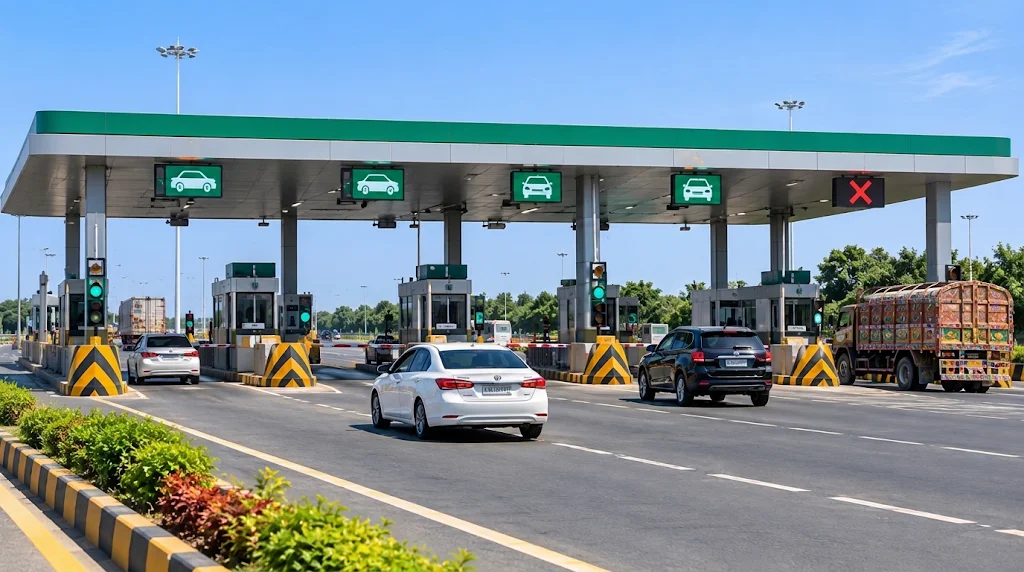
The feasibility study identifies the expansion of the existing M-2 Motorway as the most practical, economical and technically feasible solution. Under this proposal, the current three lanes on each side of the motorway would be widened to five lanes in each direction along a 15.3 kilometre stretch. The project is estimated to cost approximately Rs9 billion.
The second option proposes constructing a new 19.5 kilometre highway on the eastern side of the motorway at an estimated cost of Rs18 billion. The third option envisages a 26.5 kilometre western corridor, with an estimated cost of Rs24 billion, making it the longest and most expensive alternative under consideration.
According to the feasibility report, widening the existing motorway could reduce overall construction costs by 50 to 60 percent compared with the two new corridor options. The study highlights that the availability of existing infrastructure, significantly lower land acquisition requirements and a shorter construction timeline make the motorway expansion the preferred option.
The report also outlines several engineering and operational challenges, including traffic management during construction, right-of-way constraints and interchange improvements. However, NESPAK concludes that these challenges are manageable and are outweighed by the financial and operational advantages of upgrading the existing motorway.
In contrast, the western alignment has been assessed as the least feasible option because it would require extensive land acquisition and substantially higher investment, while offering limited additional benefits compared with the recommended motorway expansion.
The Punjab Cabinet is expected to review the three proposals before taking a final decision on the project's alignment and implementation strategy.

Published: July 20, 2026 - 5:24 PM
NESPAK Completes Preliminary Feasibility for Rawalpindi Ring Road Phase II, Recommends M-2 Motorway Expansion
راولپنڈی رنگ روڈ فیز ٹو کی ابتدائی فزیبلٹی مکمل، نیسپاک کی ایم ٹو موٹروے توسیع کی سفارش
▫️Existing motorway widening from six to ten lanes identified as the most practical and cost effective option, with an estimated project cost of Rs 9 billion
Rawalpindi : ReNews PakistanThe National Engineering Services Pakistan (NESPAK) has completed the preliminary feasibility study for the proposed Rawalpindi Ring Road Phase II, which will connect Thalian Interchange with Hakla Interchange...