Faisalabad | ReNews Pakistan
J.K. Spinning Mills Limited has completed the addition of eight megawatts of solar power generation capacity as part of its strategy to reduce energy costs, improve efficiency and strengthen the long term sustainability of its manufacturing operations.
In a material information disclosure submitted to the Pakistan Stock Exchange, the company said the additional solar capacity would help meet its energy requirements while reducing environmental pollution. The disclosure was issued under Section 96 of the Securities Act 2015 and the relevant Pakistan Stock Exchange regulations.
The company said the strategic investment would enhance energy efficiency, generate significant cost savings and improve the long term operational sustainability of its business. The expansion forms part of its broader commitment to increasing reliance on clean and renewable energy.
J.K. Spinning Mills said it aims to reduce its carbon footprint, promote environmentally responsible operations and contribute to a more sustainable future while creating long term value for its stakeholders. The additional solar capacity is expected to reduce the company’s exposure to electricity supplied through conventional and comparatively expensive energy sources.
Textile manufacturing requires a continuous supply of electricity across spinning, weaving, processing and stitching operations. Fluctuations in energy prices and interruptions in power supply can affect production costs, export competitiveness and the timely completion of customer orders.
Against this background, expanding captive solar generation represents both an environmental initiative and a business measure intended to control operating expenses and reduce energy related risks.
In February 2026, the company’s board had approved a plan to install a 7.5 MW solar power system at an estimated cost of Rs442 million. At the time, J.K. Spinning Mills said the investment formed part of its longer term planning to lower electricity expenses and support environmentally sustainable practices.
The latest disclosure did not state the cost of the completed eight megawatt addition, its specific installation location or the company’s total solar generation capacity following the expansion. It confirmed, however, that the new capacity would be used to meet energy requirements and reduce the environmental impact of its operations.
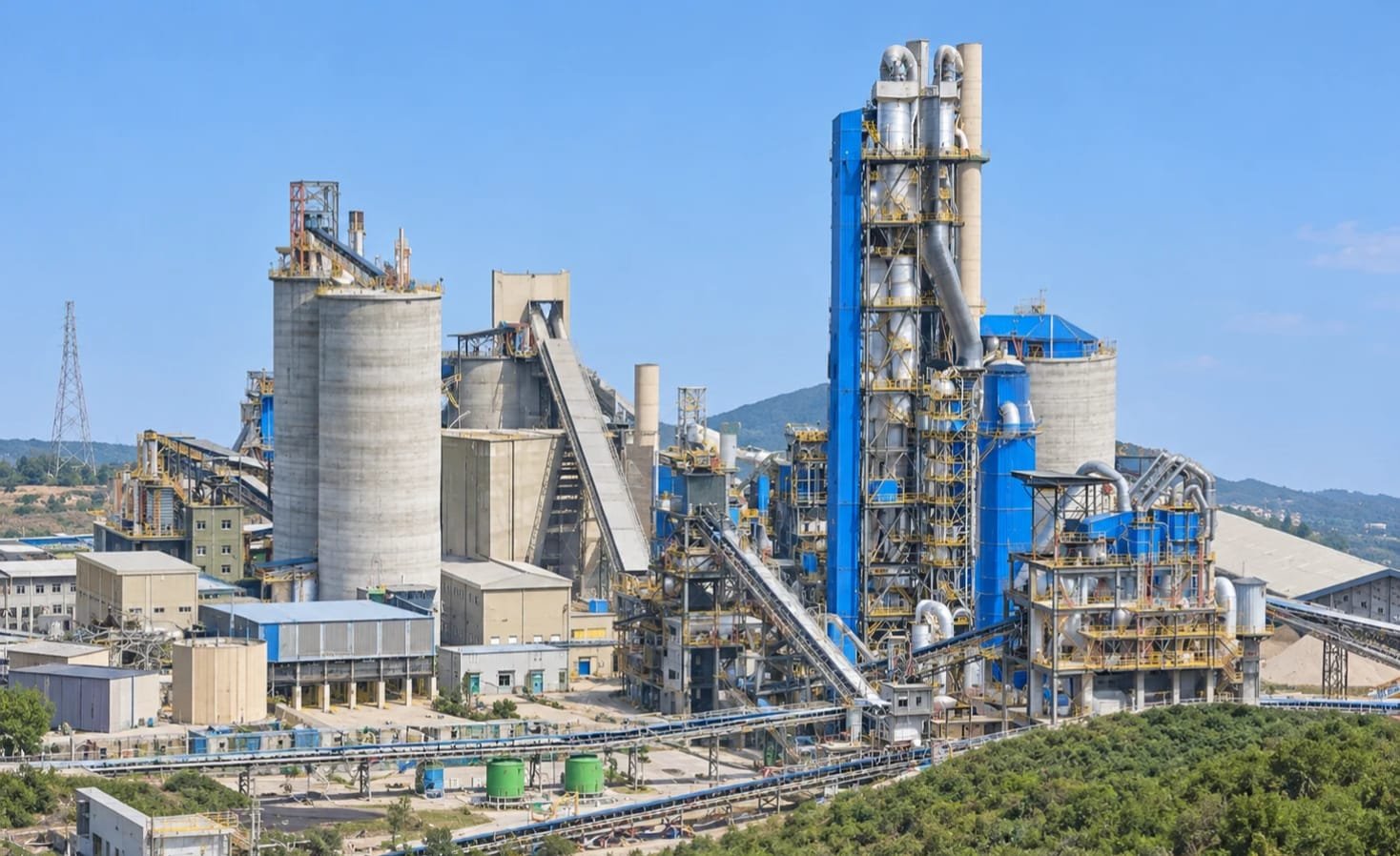
J.K. Spinning Mills is a Pakistan Stock Exchange listed textile manufacturer engaged in the production and trading of yarn, fabrics and related textile products. Its integrated operations include spinning, weaving, processing and stitching activities. The company has previously identified renewable energy investment as an important component of its operational strategy.
The solar system will allow the manufacturer to produce a greater share of its electricity internally during daylight hours. This could reduce the amount of power purchased from the national grid, lower its average energy cost and limit the financial impact of future increases in electricity tariffs.
Energy expenditure is a major component of textile production costs. Reducing this expense can help a manufacturer manage product pricing, protect profit margins and remain competitive in domestic and international markets.
Greater reliance on solar energy will also support the company’s environmental objectives. Solar generation produces no direct carbon emissions during operation, allowing J.K. Spinning Mills to reduce the carbon intensity associated with its manufacturing activities.
The expansion may also improve operational resilience by diversifying the company’s energy mix. Although solar power cannot entirely replace grid or other captive generation sources, it can provide a predictable source of electricity during daylight production hours and reduce dependence on conventional fuels.
Pakistan’s textile manufacturers have increasingly invested in renewable energy as they seek to manage high electricity costs, improve supply reliability and respond to environmental requirements in international markets. The J.K. Spinning Mills project reflects this broader shift towards linking sustainability investments with measurable reductions in operating costs.
The company expects the eight megawatt addition to strengthen energy efficiency, support cost savings and provide greater stability to its manufacturing operations over the long term.
According to the PSX disclosure, the investment is ultimately intended to expand the use of clean energy while generating sustainable, long term value for shareholders and other stakeholders.

Published: August 4, 2026 - 3:13 PM
J.K. Spinning Mills Completes 8 MW Solar Expansion to Reduce Energy Costs
جے کے سپننگ ملز کا توانائی لاگت کم کرنے کیلئے آٹھ میگاواٹ سولر منصوبہ مکمل
▫️Textile manufacturer expects the additional renewable capacity to deliver electricity savings, lower carbon emissions and strengthen operational stability
Faisalabad | ReNews PakistanJ.K. Spinning Mills Limited has completed the addition of eight megawatts of solar power generation capacity as part of its strategy to reduce energy costs, improve efficiency and strengthen the long term sust...