Islamabad | ReNews Pakistan
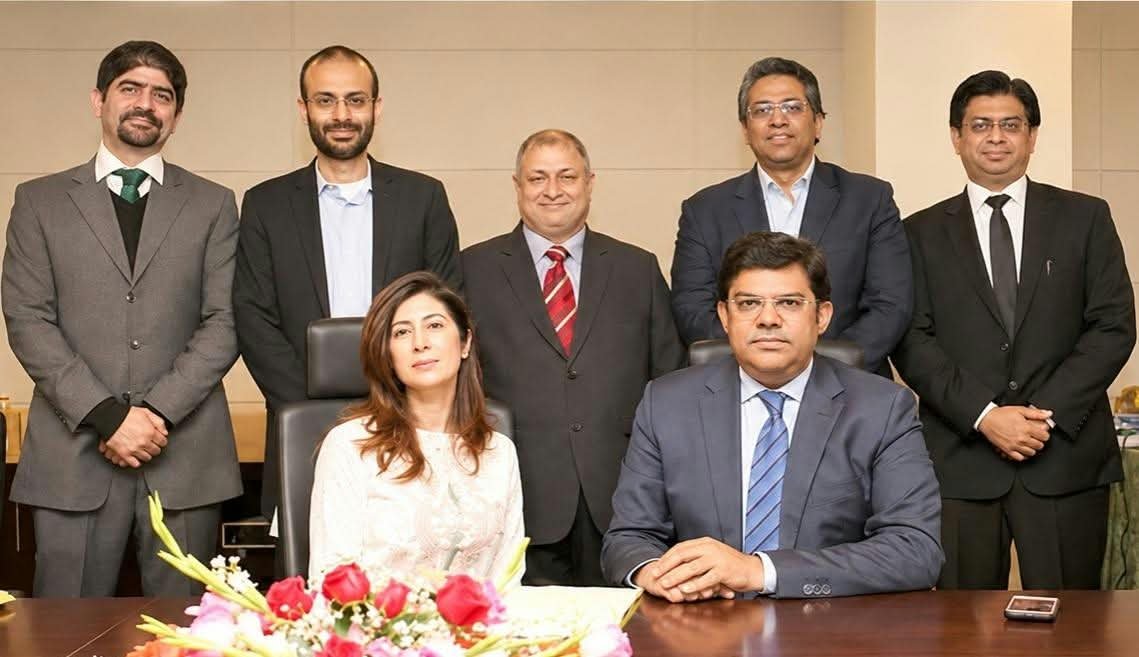
Oil and Gas Development Company Limited has signed an agreement with the Pakistan Institute of Nuclear Science and Technology (PINSTECH) to develop local technology for extracting lithium from geothermal brines on a commercial scale following a significant discovery in Sindh.
According to company officials, advanced chemical analysis of underground water obtained from the Wahid Bakhsh Well in Khairpur district found a lithium concentration of 275 milligrams per litre.
The recorded concentration is more than three times the international benchmark of around 90 milligrams per litre that is generally considered suitable for further commercial evaluation.
Geothermal brine is hot and salty water stored deep beneath the ground. Modern technology can be used to separate lithium from this water. Lithium is an important mineral used in electric vehicle batteries, mobile phones, laptops and large systems that store electricity produced from solar and wind energy.
Under the agreement, OGDCL and PINSTECH will work together to develop indigenous technology that could make large scale lithium extraction possible in Pakistan. Commercial production, however, will depend on further studies of the resource, extraction costs and financial feasibility.
Following the initial results, OGDCL has identified another eight to 10 wells in Sindh for geothermal brine exploration. Testing at these wells will help determine how widely the lithium bearing underground formations extend and whether additional commercially viable resources are present.
The company has also started a wider evaluation programme covering detailed brine chemistry, reservoir mapping, resource confirmation and economic feasibility studies. International consultants have been engaged to help ensure that future resource estimates and technical assessments meet recognised global standards.
The development has also attracted interest from the Heavy Mechanical Complex, which is examining the possible use of locally produced lithium in electric vehicle batteries and defence related applications.
A domestic lithium supply could support Pakistan’s emerging electric vehicle, battery manufacturing, clean energy and advanced industrial sectors. It could also reduce dependence on imported battery materials and create opportunities for investment and exports.
Officials have cautioned that the discovery is still at an early evaluation stage. Detailed scientific, technical and economic studies will be required before the resource can be declared commercially recoverable and regular production can begin.

Published: August 5, 2026 - 12:07 PM
OGDCL Signs Agreement With PINSTECH to Develop Indigenous Technology for Extracting Lithium Discovered in Sindh
سندھ میں دریافت لیتھیم نکالنے کیلئے او جی ڈی سی ایل کا پِن سٹیک کے ساتھ مقامی ٹیکنالوجی تیار کرنے کا معاہدہ
▫️Tests at the Wahid Bakhsh Well in Khairpur found 275 milligrams of lithium per litre as the company prepares to examine up to 10 more wells and assess commercial potential
Islamabad | ReNews PakistanOil and Gas Development Company Limited has signed an agreement with the Pakistan Institute of Nuclear Science and Technology (PINSTECH) to develop local technology for extracting lithium from geothermal brines...