New Delhi | ReNews Pakistan
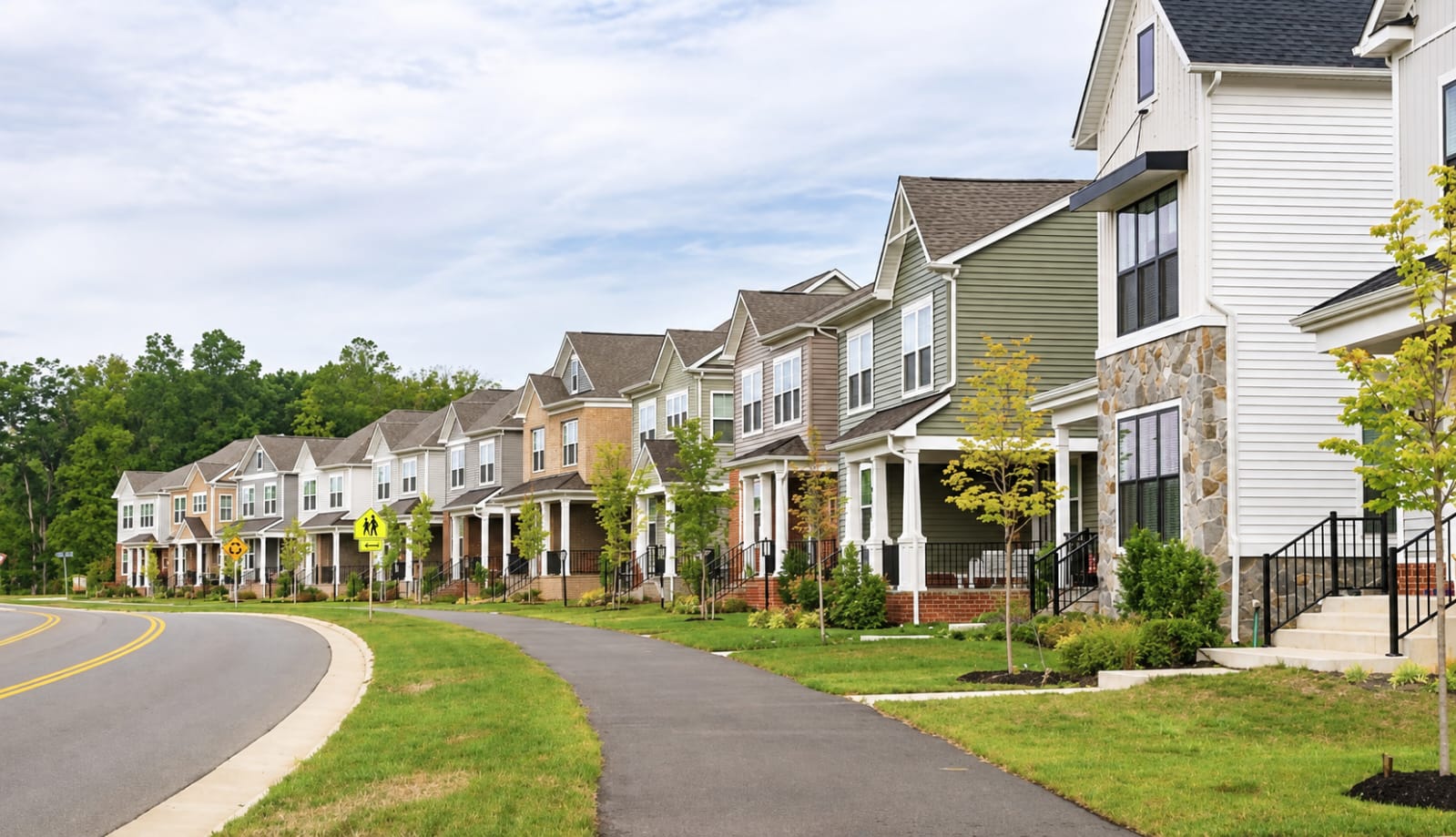
India’s real estate sector continues to record strong growth across residential, commercial and investment markets, but industry experts are increasingly warning that the country’s expanding affordable housing shortage poses one of the biggest long term risks to the sector's sustainable development.
The Indian property market has delivered robust performance over the past several years, supported by rising demand across multiple asset classes. Shopping centres and warehouse leasing reached record levels last year, while office space leasing during the first half of 2026 recorded its second-highest performance for the period on record. Residential property sales have also remained resilient, with the country's eight largest cities registering one of their strongest first-half sales performances in more than a decade.
Institutional investment has strengthened significantly as well. During the 2024-25 financial year, real estate transaction volumes approached US$20 billion, representing more than double the investment recorded in 2021-22. Analysts say growing investor confidence reflects India's improving economic outlook and the increasing attractiveness of its commercial and residential property sectors.
Despite these positive indicators, market observers caution that the impressive growth masks a widening imbalance within the housing sector. The strongest demand and developer activity have shifted toward premium and luxury housing, while construction of affordable and mid-income residential projects has declined sharply.
According to Knight Frank, homes priced below 5 million Indian rupees accounted for 52 percent of new housing launches in India's largest cities in 2018. By the end of 2025, that share had fallen dramatically to just 17 percent, highlighting a significant reduction in affordable housing supply.
The middle-income segment has also weakened. Data from JLL shows that apartments priced between 5 million and 10 million rupees represented only 22 percent of residential sales during the first quarter of 2026, compared with 37 percent two years earlier.
In contrast, premium and luxury housing continues to dominate the market. Properties priced above 10 million rupees accounted for 71 percent of all residential transactions during the first quarter of 2026, up substantially from 48 percent in the corresponding period of 2024. The trend reflects stronger demand from affluent buyers as well as developers' preference for higher margin projects.
Industry analysts note that the affordability challenge comes at a critical time for India, where rapid urbanisation is increasing pressure on housing infrastructure. With millions of people expected to migrate to cities over the coming years, the demand for quality, reasonably priced housing is expected to accelerate further.
Current projections indicate that India will have 71 cities with populations exceeding one million by 2030, placing additional strain on urban housing supply and public infrastructure. Experts argue that without a significant increase in affordable housing construction, the gap between housing demand and supply will continue to widen.
Knight Frank estimates that India currently faces a shortage of approximately 9.4 million affordable housing units. Market specialists believe addressing this deficit will require stronger public-private collaboration, supportive government policies, improved financing options and greater incentives for developers to invest in lower-cost housing projects.
Analysts conclude that while India's real estate market remains one of the fastest growing in the Asia Pacific region, ensuring balanced growth across all income segments will be essential for maintaining long-term market stability, supporting inclusive urban development and fully realising the country's demographic and economic potential.

Published: August 5, 2026 - 3:03 PM
Affordable Housing Shortage Emerges as Key Challenge Amid India’s Real Estate Boom
بھارت میں رئیل اسٹیٹ بوم کے باوجود سستی رہائش کا بحران بڑا چیلنج بن گیا
▫️Housing experts warn that rapid urbanisation, changing market dynamics and a widening affordability gap could undermine India’s long term real estate sustainability
New Delhi | ReNews PakistanIndia’s real estate sector continues to record strong growth across residential, commercial and investment markets, but industry experts are increasingly warning that the country’s expanding affordable housing ...