

Fujiyoshida | ReNews International Desk
The local administration of Fujiyoshida, a city in Japan’s Yamanashi Prefecture, has announced the cancellation of this year’s annual cherry blossom festival, citing uncontrolled tourist inflows and repeated complaints about visitor misconduct. Officials say the surge in tourism had begun to seriously disrupt civic order and everyday life for residents.
The festival, traditionally held at Arakurayama Sengen Park, draws large crowds each spring due to its panoramic views of Mount Fuji framed by cherry blossoms. In recent years, however, daily visitor numbers during peak bloom exceeded the city’s capacity, leading to persistent traffic congestion, sanitation problems, and overcrowding in public spaces.
Residents reported that some tourists entered private homes and gardens without permission, ignored local norms, and caused disturbances in residential neighborhoods. Heavy traffic during festival days also affected school routes and made routine movement difficult for locals.
Mayor Shigeru Horiuchi said the decision was taken to protect the dignity of residential areas and restore order in the city. According to the city administration, the popularity of the festival had reached a level where it was no longer manageable without harming the quality of life of residents.
Authorities noted that despite the official cancellation, tourist arrivals during the cherry blossom season are still expected. As a result, additional measures are being planned, including tighter traffic management, increased monitoring, and the provision of temporary facilities to reduce pressure on local communities.
City officials said the move reflects a broader challenge faced by popular tourist destinations, where economic benefits must be balanced against public order, safety, and the well being of residents.
Published: February 7, 2026 - 2:24 PM
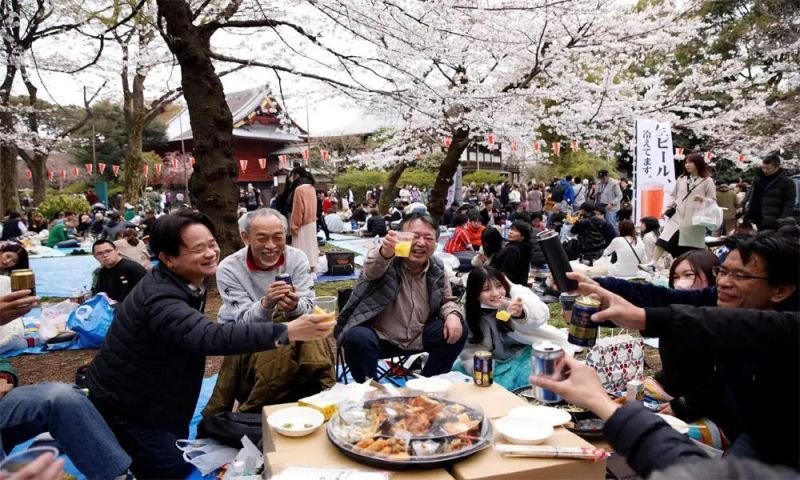
Cherry Blossom Festival Cancelled in Japan’s Fujiyoshida After Tourist Misconduct.
سیاحوں کے غیر ذمہ دارانہ رویّے کے باعث جاپان کے شہر فوجی یوشیدا میں چیری بلاسم فیسٹیول منسوخ.
▫️ Growing visitor pressure disrupts daily life, city administration takes decisive step.
Fujiyoshida | ReNews International Desk The local administration of Fujiyoshida, a city in Japan’s Yamanashi Prefecture, has announced the cancellation of this year’s annual cherry blossom festival, citing uncontrolled tourist inflows...
































