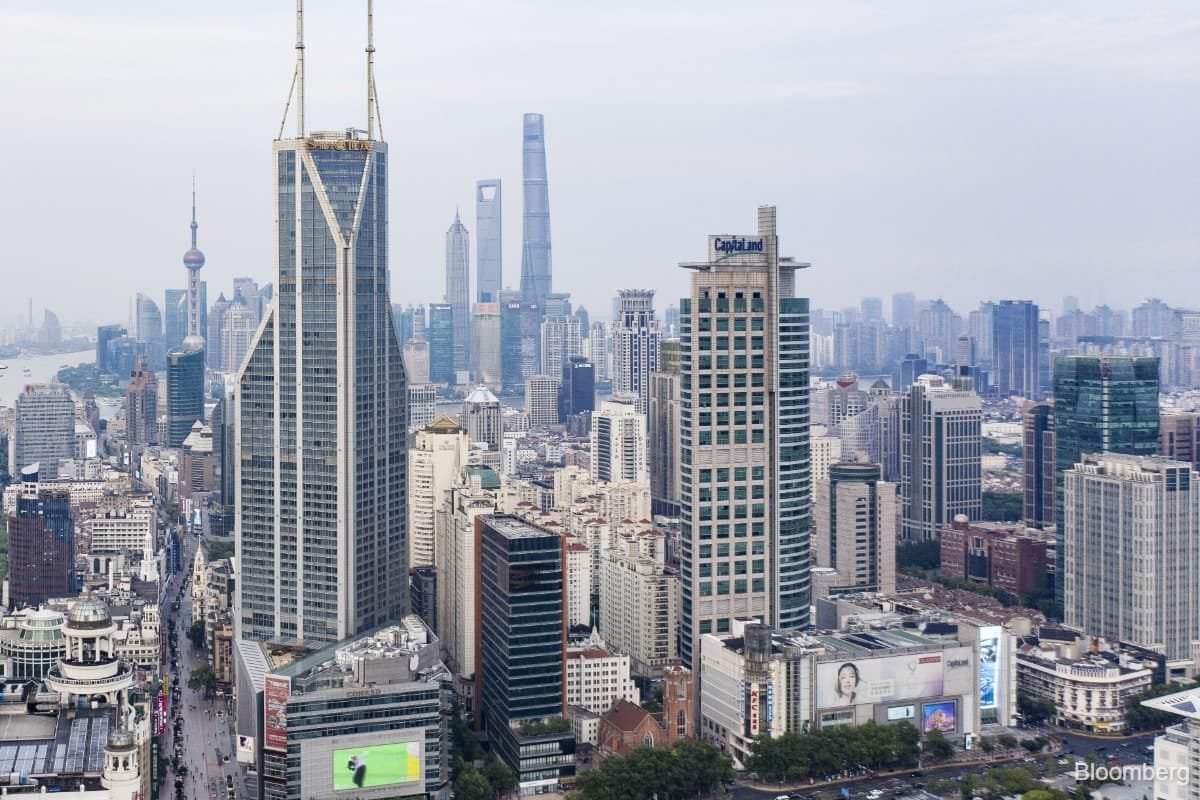
Shanghai | ReNews International Desk News
China is moving to address a potentially significant threat to its commercial property market as shortening land-use leases create uncertainty over more than one trillion yuan (US$148 billion) worth of non-residential real estate.
Unlike many markets where property ownership can include permanent ownership of the underlying land, almost all urban land in China is state-owned. Under rules established around the early 1990s, land-use rights are generally granted for 40 years for shopping mall sites, 50 years for industrial and office properties and 70 years for residential developments.
As these leases mature, uncertainty over their renewal has increasingly affected property valuations, financing and investment decisions.
Andrew Chan, head of valuation and advisory services for Greater China at Cushman & Wakefield, estimates that more than one trillion yuan of non-residential property already has 20 years or less remaining on its land tenure.
By 2030, around 30 million square metres of office and retail space across 18 major Chinese cities could have less than 20 years remaining, according to an earlier CBRE estimate covering properties with single owners.
The issue is becoming increasingly important because insurers and developers generally prefer properties with more than two decades of land tenure remaining, while many banks may be reluctant to refinance properties with less than 10 years left.
Uncertainty has also complicated asset sales. Developers including Parkview Group and New World Development have encountered difficulties selling certain properties partly because prospective buyers lack certainty over future lease extensions.
China’s broader property downturn has intensified the problem. Office values in some major cities have fallen more than 40% from their peaks, while developers have defaulted on approximately US$130 billion of debt.
Authorities are now attempting to provide greater clarity. Shanghai recently circulated guidelines outlining conditions and costs for extending land leases, following similar measures introduced in Guangzhou earlier this year.
Both cities have proposed renewal costs equivalent to at least 70% of a relevant land-price benchmark. The calculation would relate to the underlying land rather than the additional value created by offices or shopping centres constructed on it, potentially limiting renewal costs relative to overall property values.
Other jurisdictions, including Xiamen and part of Hangzhou, have introduced rules covering industrial land, although investors continue to seek greater consistency.
The central government has also indicated that China will refine laws governing renewal of industrial and commercial land-use rights and advance extensions in a lawful and orderly manner.
Market participants increasingly believe a nationwide framework will ultimately be necessary. A uniform policy could reduce uncertainty over lease renewals, support property valuations, improve access to financing and help revive transactions in a commercial real estate market still struggling to recover from a prolonged downturn.
Published: August 12, 2026 - 1:01 PM
China Moves to Defuse US$148 Billion Property Lease Risk as Land Tenures Run Down
چین میں 148 ارب ڈالر مالیت کی جائیدادوں کے لیز بحران سے نمٹنے کیلئے اقدامات تیز
▫️Investors hope nationwide policy will restore confidence, improve valuations and unlock transactions in China’s struggling real estate market
Shanghai | ReNews International Desk News China is moving to address a potentially significant threat to its commercial property market as shortening land-use leases create uncertainty over more than one trillion yuan (US$148 billion) wo...