

Dubai | ReNews International Desk News
Dubai’s once red hot real estate market has entered a sharp downturn, as escalating geopolitical tensions in the Middle East particularly involving the United States and Iran have significantly dented investor confidence and slowed activity across the emirate.
According to market data, Dubai recorded just 26,960 property transactions between February 28 and April 29, marking a steep 89% decline compared to 246,951 transactions during the same period last year. The dramatic slowdown reflects growing uncertainty among investors following heightened regional instability.
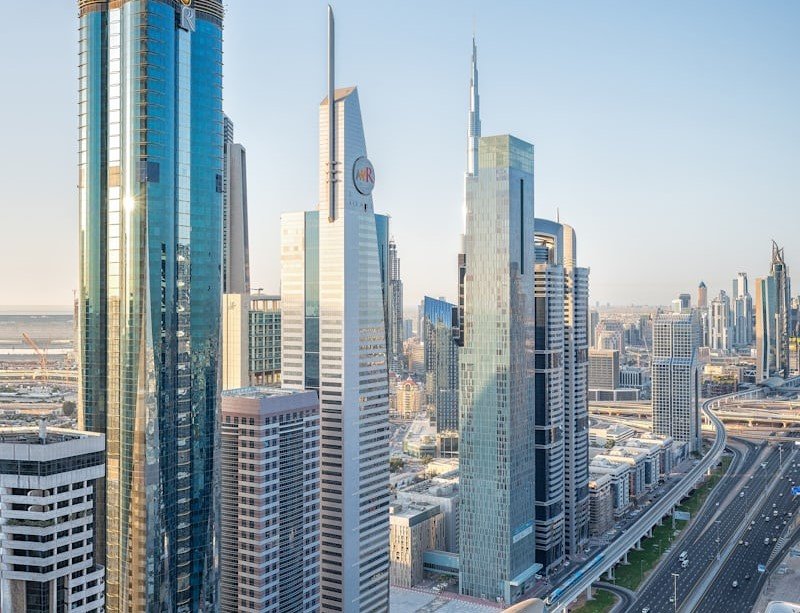
The emirate, long seen as a global hub for high yield property investment, is now facing one of its most challenging phases in recent years. While Dubai’s infrastructure and skyline remain intact, market activity has weakened considerably, with analysts describing the situation as a temporary but serious disruption.
Adding to concerns, a home price index compiled by ValuStrat registered a 5.9% decline in March compared to the previous month, its first drop since 2020. Despite this fall, property values are still roughly at levels seen six months ago, suggesting a correction rather than a full scale collapse.
Industry experts believe the slowdown may persist in the short term. “We expect demand to be impacted, especially if population growth slows alongside a rise in property supply,” said Louis Harding, CEO of Betterhomes, who anticipates a challenging summer for the sector.
In response, Dubai authorities have introduced a series of policy measures aimed at reviving market momentum and attracting a broader investor base. Most notably, the government has scrapped the previous minimum property value requirement of AED 750,000 for obtaining a two year residency visa.
The move is designed to open the market to mid income investors and first-time buyers. However, for jointly owned properties, a new minimum investment threshold of AED 400,000 per individual has been introduced to prevent misuse of the system through shared ownership solely for visa eligibility.
Real estate experts view the policy shift as a strategic attempt to diversify demand. “The removal of the minimum threshold for solo buyers is a direct invitation to global mid-market investors,” said Ritu Kumar Ojha, CEO of Proact Luxury Real Estate.
Dubai has also taken steps to simplify the investment process by integrating real estate and residency services into a unified digital platform. This system allows investors to manage property purchases, residency applications, and visa services through a single channel, reducing bureaucratic hurdles and processing times.
Despite current challenges, Dubai’s property market fundamentals remain relatively strong. In 2025, the emirate recorded a record $250 billion in real estate transactions, with international buyers particularly from India and the UK, playing a significant role. Rental yields of 6–9% and currency hedge benefits continue to make Dubai attractive in the long term.
Market participants suggest that while the short term outlook remains uncertain, the downturn may present opportunities for investors. Developers are expected to introduce flexible payment plans and discounts, while some investors may adopt a wait-and-see approach until stability returns.
Analysts caution that the recovery will depend largely on geopolitical developments and overall economic conditions. For now, Dubai’s property sector appears to be navigating a period of adjustment, balancing immediate pressures with long term resilience strategies.
Published: May 4, 2026 - 10:10 AM
Dubai Property Market Slumps Amid Geopolitical Tensions, Authorities Move to Revive Investor Confidence
دبئی کی پراپرٹی مارکیٹ میں شدید سست روی، جغرافیائی کشیدگی کے باعث سرمایہ کاروں کا اعتماد متزلزل
▫️Transactions plunge nearly 90% as US Iran conflict shakes sentiment and prices begin to soften, visa rule relaxations and streamlined processes aim to attract mid tier investors and stabilise demand
Dubai | ReNews International Desk News Dubai’s once red hot real estate market has entered a sharp downturn, as escalating geopolitical tensions in the Middle East particularly involving the United States and Iran have significantly d...
































