Beijing | ReNews International Desk News
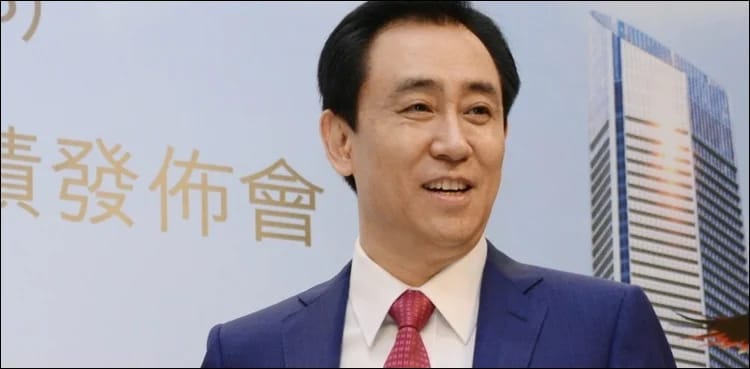
A Chinese court has sentenced Hui Ka Yan, founder of heavily indebted property developer China Evergrande Group, to life imprisonment in a financial crimes case and ordered the confiscation of all his personal assets.
Hui, who was once ranked as Asia’s richest person, had built one of China’s most prominent property empires and was widely seen as a symbol of extraordinary wealth creation. His business fortunes, however, collapsed following Evergrande’s severe financial crisis and its failure to meet mounting debt obligations.
According to reports, Hui pleaded guilty in April to eight charges brought against him. The offences included misuse of funds, fraudulent fundraising, illegally raising money from the public, unlawful extension of loans, fraudulent issuance of securities and bribery-related crimes.
A court in the southern Chinese city of Shenzhen delivered the verdict on Thursday, sentencing Hui to life imprisonment and ordering the seizure of all his personal property.
Evergrande was once one of China’s largest and most influential property developers. During years of rapid expansion, the company relied heavily on borrowing to finance housing and other real estate projects across the country, but it later struggled to meet its financial obligations.
The company accumulated liabilities of around $300 billion, and its failure to repay creditors not only pushed Evergrande into a deep financial crisis but also exposed broader structural weaknesses in China’s property sector.
Evergrande’s collapse came as the Chinese real estate market was already facing weaker demand, excessive debt, unfinished housing projects and growing financial stress among several major developers. The downturn in the property sector also spilled over into the wider Chinese economy and financial markets.
Hui was detained by Chinese authorities in 2023 and had not been seen publicly since. The action against him followed Evergrande’s debt defaults and subsequent investigations into the company’s financial affairs.
Despite the court’s order to confiscate Hui’s personal assets, it remains unclear how much relief the move will provide to Evergrande’s domestic and overseas creditors. The company’s enormous liabilities and complex financial structure continue to make creditor recovery a major challenge.
Hui’s sentencing is one of the most significant legal actions to emerge from China’s prolonged property downturn in recent years. It marks a dramatic end to the rise of a businessman who was once among Asia’s wealthiest individuals, while the company he founded later became one of the most prominent symbols of China’s property crisis.
Published: August 20, 2026 - 5:43 PM
Evergrande Founder Hui Ka Yan Sentenced to Life Imprisonment, All Personal Assets Ordered Confiscated
چین کے پراپرٹی ٹائیکون ایورگرینڈ کے بانی ہوئی کا یان کو عمر قید، تمام ذاتی جائیداد ضبط کرنے کا حکم
▫️Former Asia’s richest man convicted on eight charges including financial fraud, misuse of funds, illegal fundraising, securities fraud and bribery
Beijing | ReNews International Desk News A Chinese court has sentenced Hui Ka Yan, founder of heavily indebted property developer China Evergrande Group, to life imprisonment in a financial crimes case and ordered the confiscation of all...