

Sharjah | ReNews International Desk News
The UAE real estate market remained broadly resilient in the first quarter of 2026, with Abu Dhabi continuing to outperform several regional markets amid strong demand for premium residential communities and Grade A commercial assets, according to the latest market assessment by Colliers.
In Abu Dhabi, the residential sector is shifting toward a more sustainable growth phase after a period of rapid price appreciation. Around 1,200 residential units were delivered during the first quarter, while nearly 7,000 more units are expected to be completed before the end of the year.
Developers launched 22 new projects during the quarter, including nine branded residential developments, reflecting continued confidence in long-term demand.
Rental growth in the capital remained strong, though signs of moderation have started to appear. Average apartment rents rose 15 per cent year-on-year, while mid-market developments recorded increases of more than 20 per cent. Villa rents increased 6 per cent annually and 1 per cent quarter-on-quarter, with premium communities on Yas Island continuing to outperform the wider market.
Abu Dhabi’s office sector also maintained strong momentum, with occupancy levels rising above 95 per cent in key commercial districts. Office rents increased between 8 per cent and 20 per cent annually, supported by limited Grade A supply and rising demand from financial institutions, technology companies and multinational firms.
Residential transactions in Abu Dhabi remained exceptionally strong, with around 7,800 deals recorded in the first quarter. This represented a 10 per cent increase quarter-on-quarter and a 119 per cent rise compared with the same period last year. Apartment sales prices rose 32 per cent annually, while villa prices increased 21 per cent.
In Dubai, the property market is gradually moving beyond the post-pandemic expansion phase, although demand fundamentals remain firm. More than 10,000 apartments and around 1,900 villas were handed over during Q1 2026. By the end of the year, another 65,000 apartments and 12,500 villas are expected to enter the market, though some projects may face delivery delays.
Rental growth in Dubai remained positive, particularly in affordable and mid-market communities, while villa rents largely stabilised. The office segment remained one of Dubai’s strongest-performing sectors due to shortages of completed Grade A space in areas such as DIFC and Business Bay.
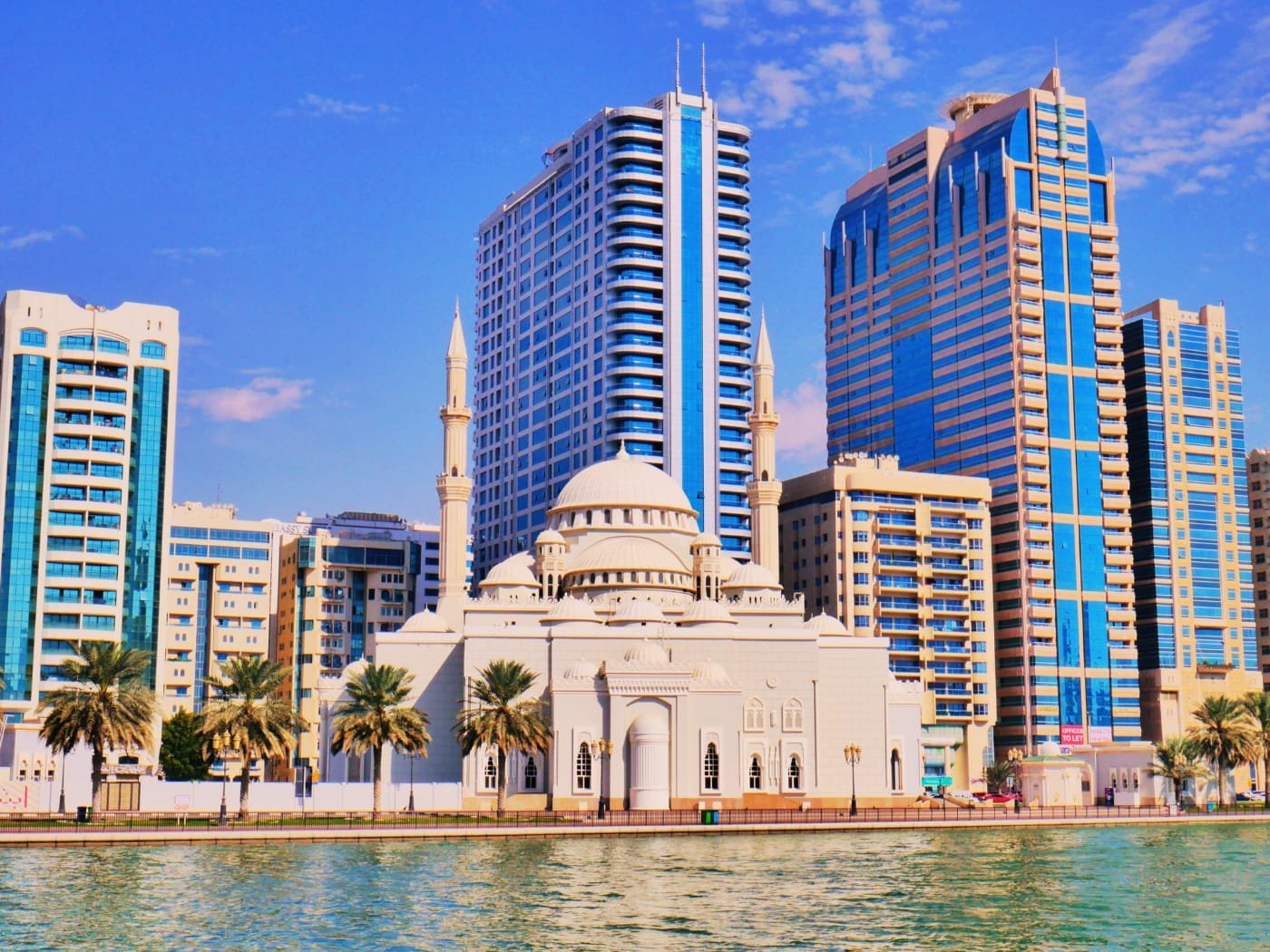
Across the Northern Emirates, about 5,200 residential units were launched in Q1 2026, nearly 60 per cent lower than the high launch levels seen in 2025. Sharjah led new launches with approximately 1,700 units, followed by Ras Al Khaimah, Ajman and Umm Al Quwain.
Colliers said UAE property markets have so far remained largely insulated from regional geopolitical pressures, but the coming quarters will be important in assessing whether rising supply and external economic headwinds lead to price stabilisation or slower transaction activity.
Published: May 23, 2026 - 1:00 PM
UAE Real Estate Market Remains Strong as Sharjah Leads New Project Launches in Northern Emirates
یو اے ای کی رئیل اسٹیٹ مارکیٹ مضبوط، شمالی امارات میں نئے منصوبوں کے آغاز میں شارجہ سرفہرست
▫️Colliers report says demand for high-quality residential communities and Grade A office space remains firm across Abu Dhabi, Dubai and the Northern Emirates
Sharjah | ReNews International Desk News The UAE real estate market remained broadly resilient in the first quarter of 2026, with Abu Dhabi continuing to outperform several regional markets amid strong demand for premium residential c...
































