Islamabad | ReNews Pakistan
The Government of Pakistan has provided a written assurance to the International Monetary Fund (IMF) regarding major reforms in the country’s electricity subsidy framework. Under the proposed plan, the existing blanket subsidy for consumers using up to 200 electricity units per month will be phased out and replaced with a targeted subsidy system starting January 2027.
According to official sources, subsidies under the new model will only be extended to financially deserving consumers identified through the Benazir Income Support Programme (BISP) and the National Socio-Economic Registry (NSER). The move is aimed at improving transparency in the subsidy mechanism, reducing the fiscal burden on the government, and preventing misuse of public funds.
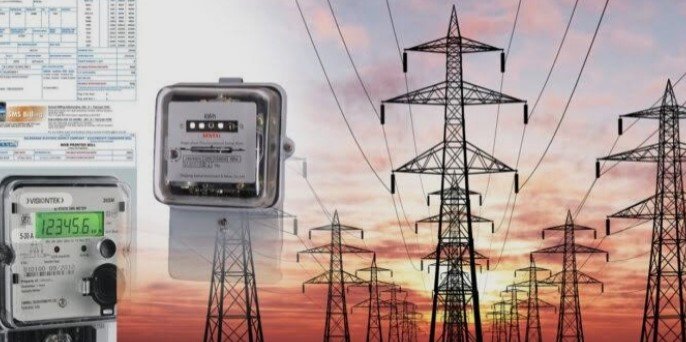
Sources revealed that under the current system, several households install multiple electricity meters and keep the consumption of each meter below 200 units to maximize subsidy benefits. The government believes the introduction of a targeted subsidy regime will discourage such practices and ensure that relief reaches only genuinely deserving households.
To implement the plan, authorities are working on integrating electricity consumer records with the NSER database, while the World Bank is also expected to provide technical assistance for the initiative. Officials further disclosed that an external firm may be engaged to develop an effective and transparent mechanism for subsidy disbursement and monitoring.
Economic experts view these reforms as part of a broader structural adjustment programme aimed at reducing losses in the energy sector, improving revenue generation, and restoring the confidence of international financial institutions in Pakistan’s economy.
Published: May 7, 2026 - 3:30 PM
Government Plans to End General Electricity Subsidy for Consumers Using Up to 200 Units, Assures IMF of Targeted Relief System
200 یونٹ تک بجلی پر عمومی سبسڈی ختم کرنے کی تیاری، حکومت کا آئی ایم ایف کو ہدفی نظام متعارف کرانے کا وعدہ
▫️From January 2027, subsidies will be provided only to eligible consumers based on BISP and NSER data
Islamabad | ReNews Pakistan The Government of Pakistan has provided a written assurance to the International Monetary Fund (IMF) regarding major reforms in the country’s electricity subsidy framework. Under the proposed plan, the exis...