Published: January 9, 2026 - 11:20 AM
Illegal Occupation of Pakistan Tobacco Board Land in Rajanpur Flagged by Audit Committee
راجن پور میں پاکستان ٹوبیکو بورڈ کی زمین پر غیر قانونی قبضہ، آڈٹ کمیٹی کی نشاندہی
▫️ Fifty acres acquired in 2009 yet to come under official control ▫️ Public funds frozen, administrative delays questioned
Islamabad | ReNews Pakistan An illegal occupation of land owned by the Pakistan Tobacco Board in Rajanpur has been disclosed by the Parliamentary Audit Committee, raising serious questions about land management and prolonged administr...
Islamabad | ReNews Pakistan
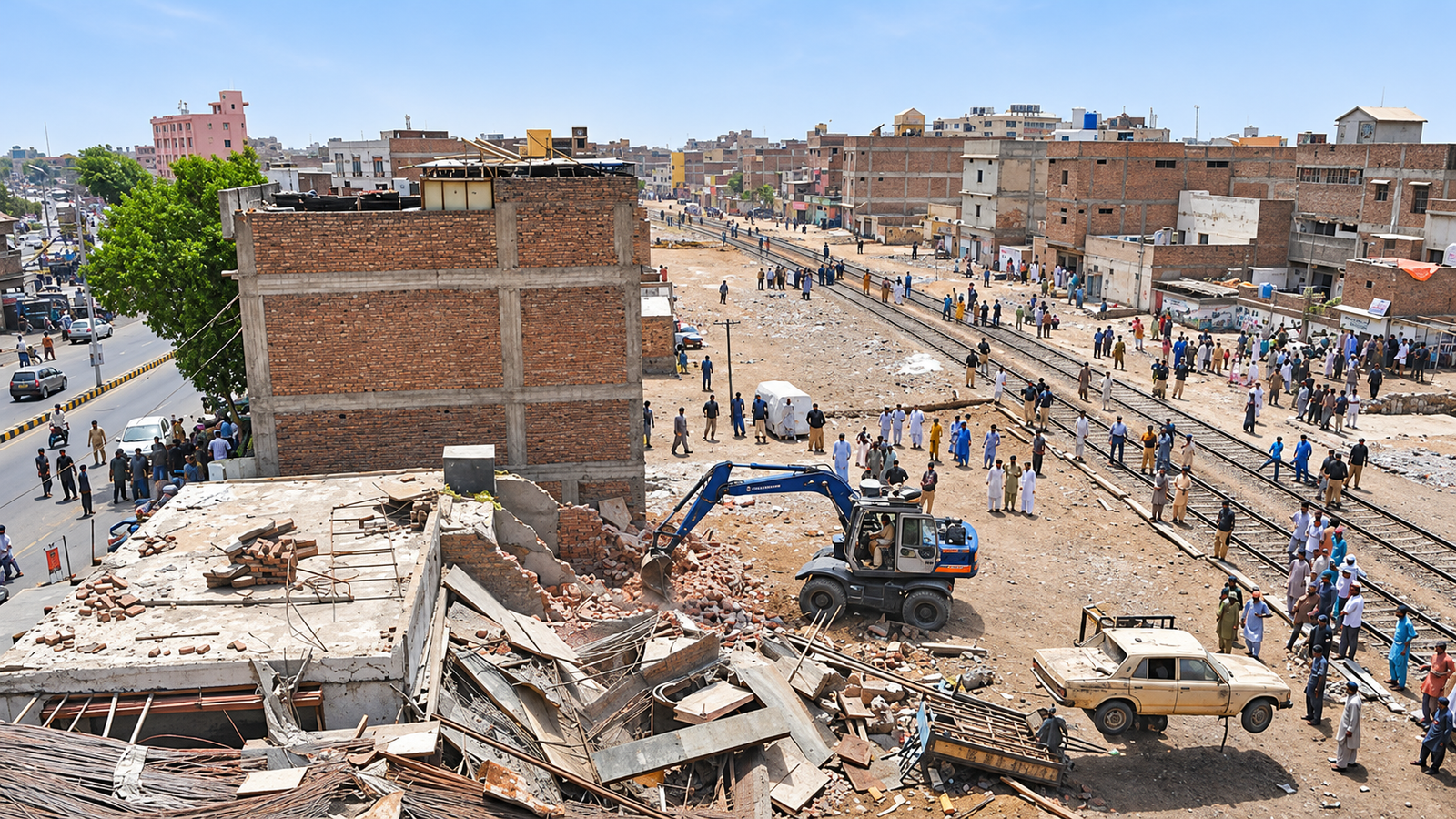
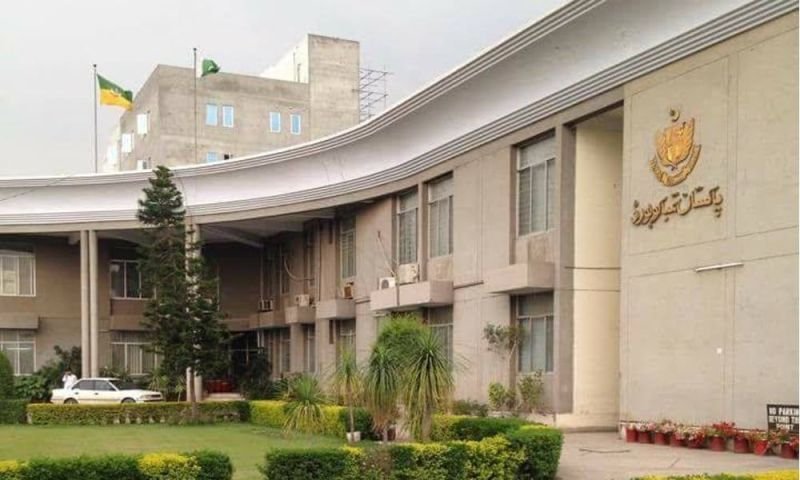
An illegal occupation of land owned by the Pakistan Tobacco Board in Rajanpur has been disclosed by the Parliamentary Audit Committee, raising serious questions about land management and prolonged administrative delays within public institutions.
According to a report presented during a meeting of the audit committee, the Pakistan Tobacco Board purchased approximately fifty acres of land in Rajanpur in 2009. However, more than a decade later, the board has yet to secure formal legal possession of the property. The report noted that due to this delay, the land remains under illegal occupation, giving rise to governance and administrative concerns.
Audit officials informed the committee that the failure of the Pakistan Tobacco Board to obtain legal possession of the land has resulted in the freezing of nearly 8.4 million rupees in public funds. These funds were allocated for the purchase of the land and related administrative processes, but the absence of legal custody prevented completion of the required procedures.
Members of the parliamentary audit committee expressed concern over the prolonged delay and questioned why legal possession was not secured promptly after the purchase. The committee observed that the failure to safeguard public land not only causes financial losses to the state but also weakens accountability mechanisms.
During the meeting, the committee directed the relevant authorities to formally engage with the Government of Punjab and to work jointly with provincial administration and revenue departments to initiate legal and administrative action for the removal of the illegal occupation.
The committee emphasised that the immediate protection of land acquired through public funds is essential to prevent encroachments, misuse, and the loss of state assets. It also stressed the need for improved coordination between federal and provincial institutions, particularly in districts where land management issues are widespread.
The Pakistan Tobacco Board assured the committee that the matter would be pursued in accordance with legal procedures and that steps would be taken to recover possession of the land. The audit committee stated that progress in this case would be reviewed in upcoming meetings to ensure compliance with its directives.
The case draws attention to structural weaknesses in the management of public land, delays in securing legal possession, and gaps in institutional oversight, all of which increase the risk of illegal occupation.